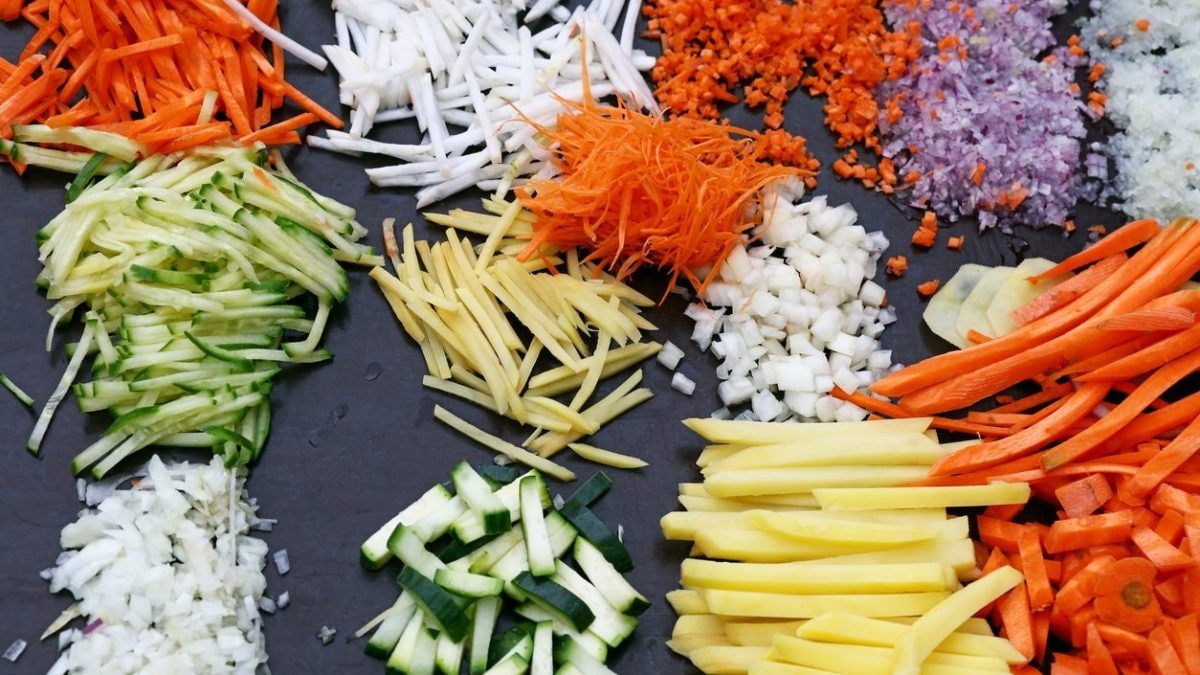
In everyday cooking, we often don't pay much attention to how we cut vegetables, limiting ourselves to doing what's most convenient or quick. Yet, each vegetable can be processed in a specific way depending on the recipe and the desired result. The growing interest in the more technical aspects of chefs' preparations, fueled by social media, culinary talent shows, and cult TV series like The Bear, has led even "mere mortals" to discover that there's more beyond the "julienne." In this guide, we've included some basic cuts to know, some well-known (like brunoise or concassé) and others less so, with a brief final focus on pommes de terre, or potatoes, which, in this regard, have a lot to tell, given that most of these methods come from France.
1. Julienne
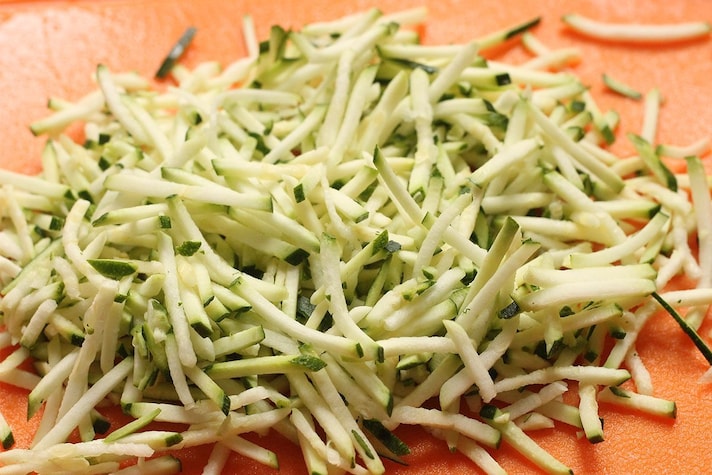
The julienne cut is one of the most common in cooking, and is characterized by thin, matchstick-like strips, which are 6 cm long and 1 mm thick: the rule of thumb is that they should not exceed 2 mm. It is often used for carrots, courgettes, peppers, leeks or daikon, ideal for crunchy salads or when they need to be sautéed in a pan, such as in a wok. Similar is the cut called giardiniera, which is often used as a side dish to accompany fish and meat dishes and which also includes more tender varieties than the previous ones, such as aubergines, with the vegetables being cut into shorter strips (2 cm) and ranging from 3 to 5 mm thick.
2. Bâtonnet

The bâtonnet is similar to the previous one, but the strips are thicker. The vegetables are cut into sticks (hence the name) about 5 cm long and 5-6 mm thick. It's an ideal shape for vegetables such as carrots, celery, courgettes, and cucumbers, commonly used for dips and to accompany dips like hummus or guacamole, but they can also be cooked, like potato sticks, remaining firm.
3. Brunoise
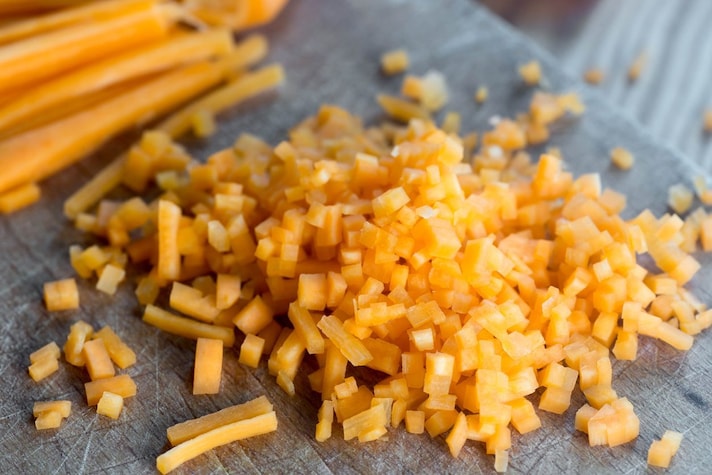
Another term often heard on cooking shows is brunoise. Vegetables are cut into very small cubes, 1 to 3 mm on a side. It is usually used for celery, carrots, and onions in soffrittos, stocks, and other soup bases, sauces, or risottos, where it gives a smooth consistency without being invasive, with the vegetables almost "dissolving" during cooking.
4. Mirepoix
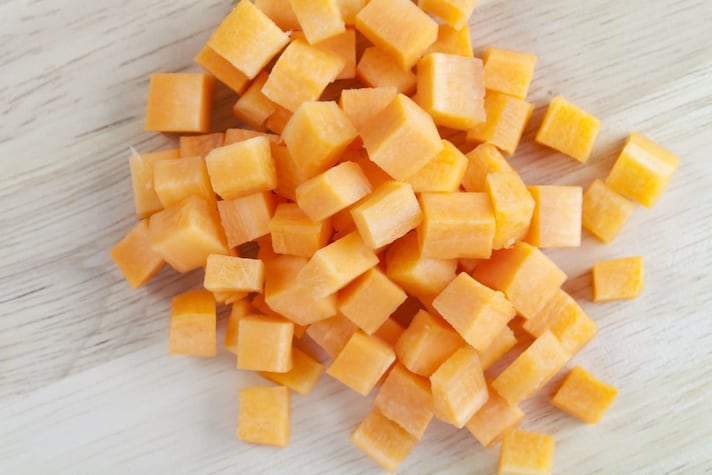
Mirepoix could be defined as the less precise variant of the brunoise technique, which always aims to create bases for stews, roasts, casseroles or ragùs where the vegetables should not predominate, but at the same time are essential to enrich the overall flavor of the dish: they are visible and tend to be felt on the palate. In this case too, it involves carrots, celery and onion cut into irregular cubes of 6 to 8 mm to be browned in a pan.
5. Paysanne
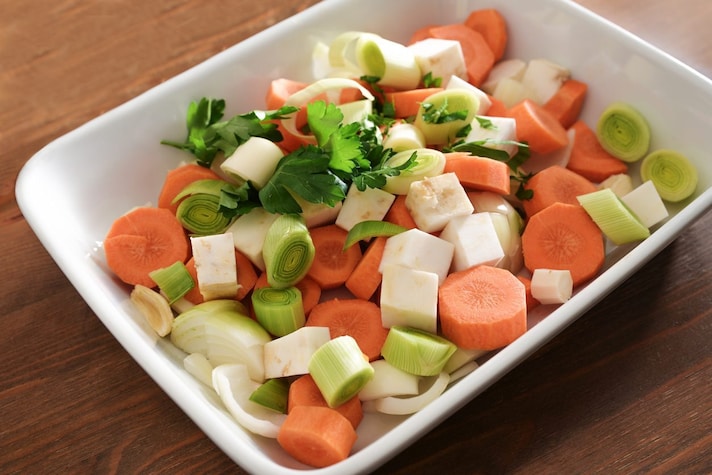
The à la paysanne cut produces a coarser result than the mirepoix, where the vegetables are cut into irregular slices or cubes that can reach up to a centimeter in size, with a thickness of 1-2 mm. It is often used in minestrone and rustic soups, with the vegetables clearly distinguishable by sight and bite.
6. Matignon
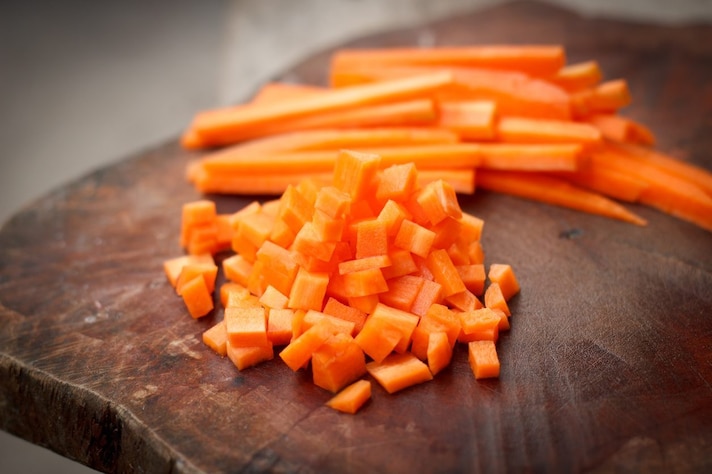
Staying on the subject of cubes and diced vegetables, here is a cut called matignon, where the vegetables take on the appearance of regular squares the size of a mirepoix (6-8 mm), but with a thickness of about 2 mm, thus resulting in a flatter appearance. Carrots, celery, turnips, and onions are especially used, perfect for fish parcels, where the vegetables are served together, as an integral part of the dish, or for preparations that require long cooking in a casserole dish.
7. Macedonia
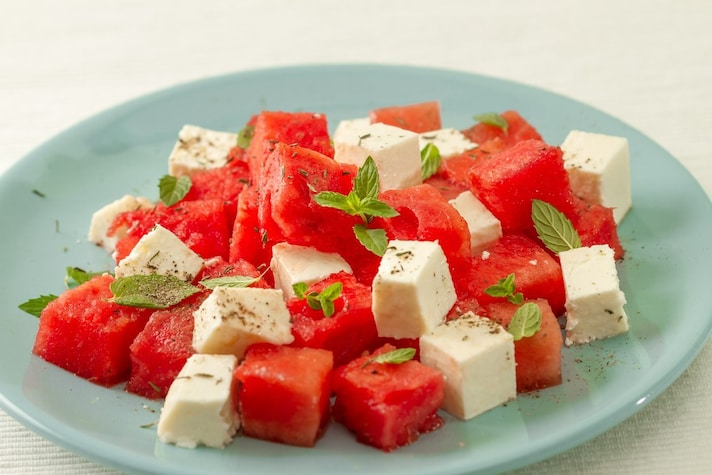
Thinking of cooking a healthy and tasty vegetable salad in a pan? Then you need to get to work on the fruit salad (taille en macédoine), which involves cutting the vegetables into regular cubes, similar to brunoise cubes, but larger, 5 mm on a side, up to 10 mm: the same principle applies to mixed fruit.
8. Concassé
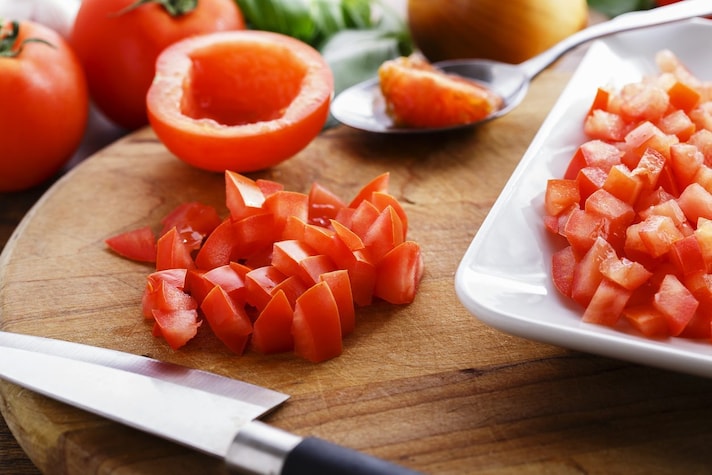
Concassé is a technique specific to tomatoes. Before being cut into pieces, they are blanched, skinned, and seeded. They are then cut into four equal pieces, then cut into strips, and finally into small cubes about 5 mm thick. This method is ideal for making bruschetta, salsas, and fresh salads.
9. Chiffonade
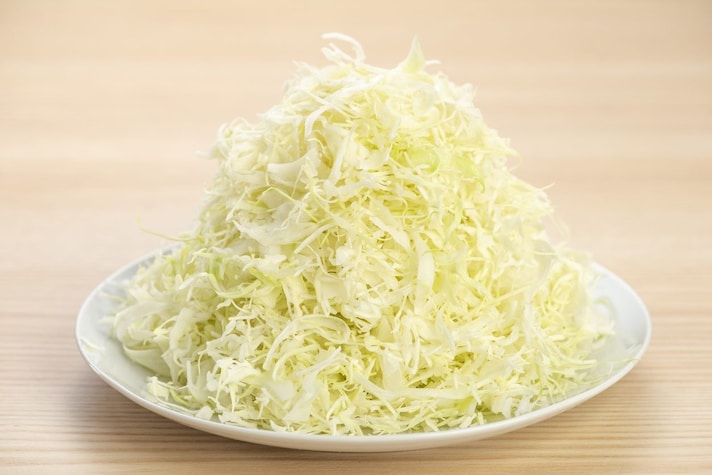
Here, however, we're focusing on broad-leafed vegetables: the chiffonade cut is a prerogative of vegetables like spinach, lettuce, chard, or cabbage, with the leaves being tightly rolled and then cut into long, very thin strips, creating a delicate, airy effect. How is it used? Primarily as a decorative element, to garnish soups or creams, but also pasta and risotto dishes, to add a touch of freshness while also being aesthetically pleasing.
10. Round Slices

Have you ever seen ratatouille (also featured in the animated film of the same name) with vegetables cut into thin discs? That's an example of how to enhance the common sliced vegetables, which are round and cylindrical in shape, making it easy to make. The slices are circular and uniform, of equal thickness, which corresponds to that of a matignon, or 2 mm.
11. Ribbons and Spaghetti
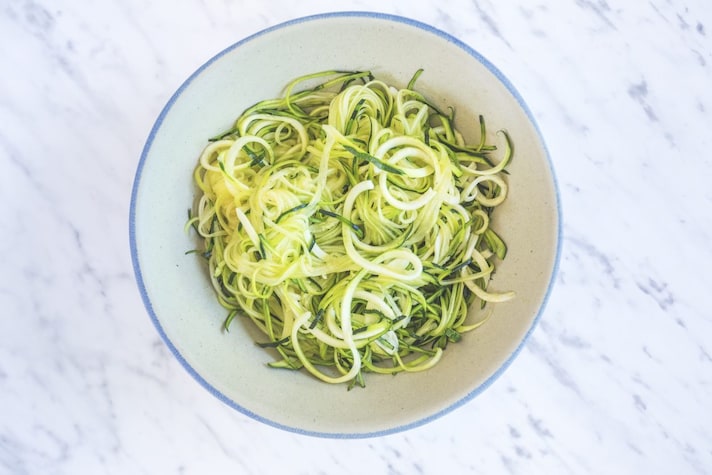
Using a vegetable peeler or a special spiralizing attachment, often included with food processors or sold separately, you can create ribbon-like or spiral-shaped cuts with carrots, cucumbers, and zucchini , varying in length, width, and thickness. These are great for decorating or serving creative salads, like zucchini noodles or potato spaghetti.
12. Tourné
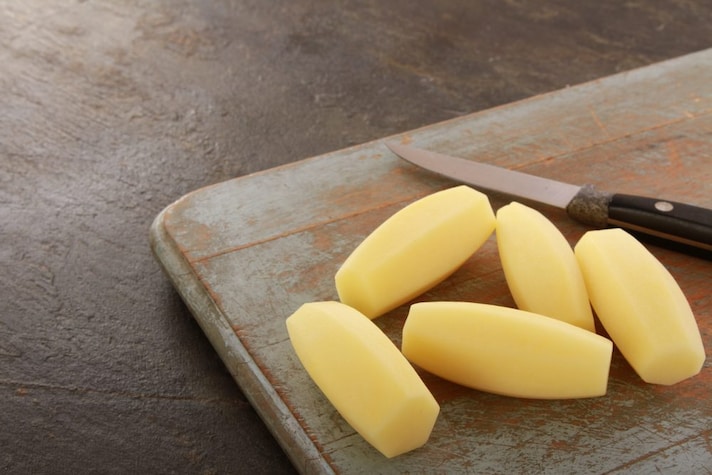
This is a difficult technique, widely used in haute cuisine, which generally aims to make vegetables more elegant: they are carved in such a way as to obtain a smooth, sculpted surface with clean faces (6 or 7) and a rounded, ovoid or tapered shape depending on the raw material used, which can be left with the peel, as is done with courgettes, or without (as is done with potatoes, carrots or mushrooms). It is used above all when the vegetables need to maintain their appearance as intact as possible, for example in glazed vegetables.
13. Potato Cuts
It must be said that potatoes, known as "pommes de terre" in French, have a notable importance in their cuisine (it is said that even a king was inconvenienced to have the population eat them), so much so that even in the magical world of cuts they boast different names, which refer to the main shapes just seen, such as cubes, sticks, or rounds. Let's briefly list the main ones:
Diced Potatoes
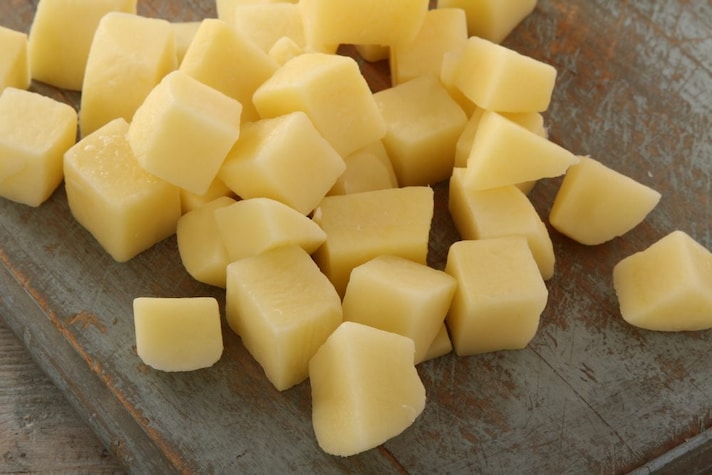
Depending on their size, they are usually divided into rissolées (1 cm) and parmentier (0.5 cm), with the latter corresponding to the fruit salad cut.
Potato Sticks
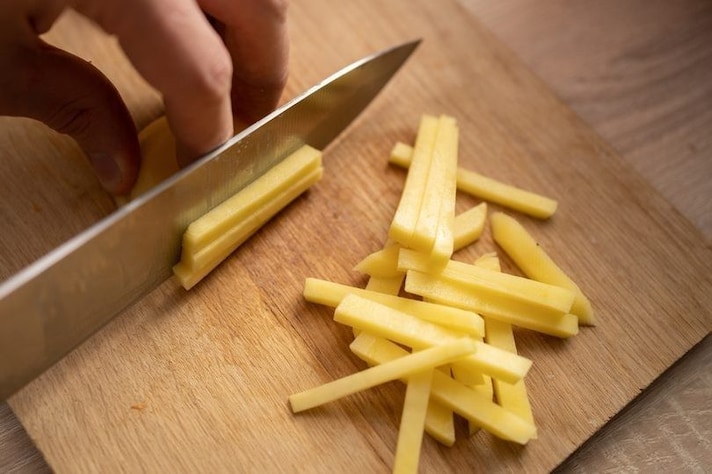
They are called paille (similar to straw threads, very thin, 1-2 mm, you can use them to make rösti), allumette (which means matchstick, 3-4 mm), mignonette (5 mm), frites (about 1 cm, the standard size of French fries) and pont neuf (from the famous bridge in Paris, they are a parallelepiped that ranges from 1.5 to 2 cm).
Sliced Potatoes
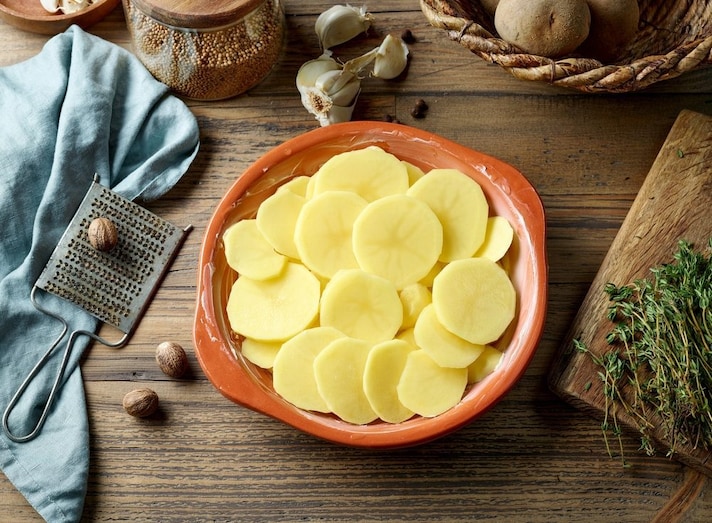
They are called chips when they are practically a 1 mm sheet (get a mandolin, you can fry them, bake them or use them as the typical side dish pommes Anna ), soufflé, between 2 and 3 mm thick, which is used to make the recipe for puffed potatoes and boulangère (up to 5 mm).
Tourné Potatoes
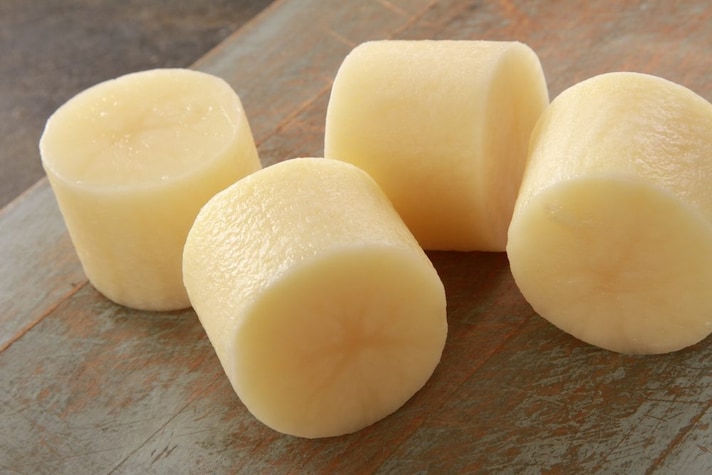
Depending on the size and length of the potatoes after processing, the names change to olivette, cocotte, nature, château and fondante, making a scale from smallest to largest.
Ball Potatoes
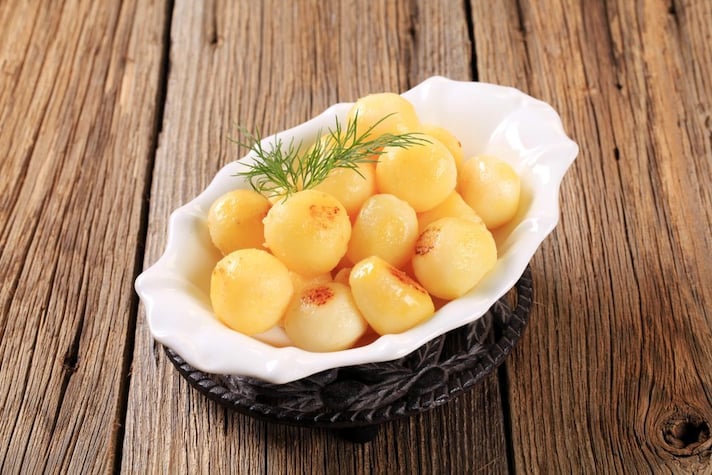
Using a melon baller, a tool specifically designed to remove the pulp from vegetables or fruit, you can create very attractive spheres from various vegetables. Potatoes, again based on their size, can be divided into three types: petit pois (1 cm), noisette, and parisienne (up to 2 cm).
;Resize,width=767;)
