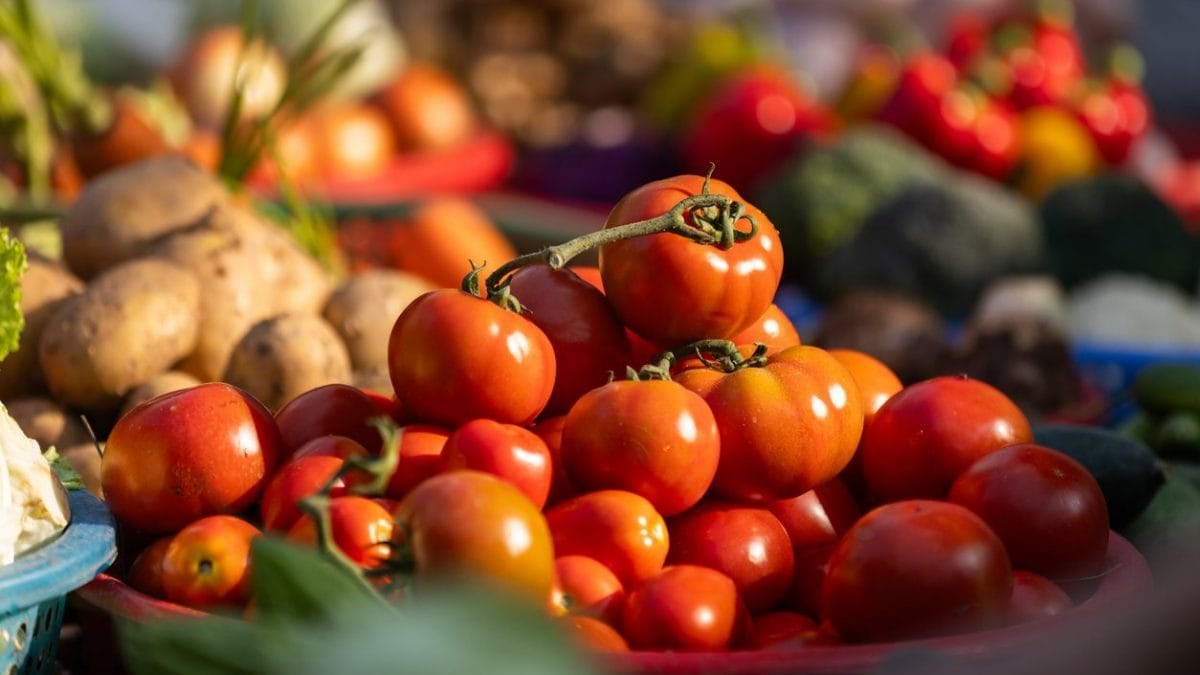
Imagine a new film starring a tomato that returns after years of isolation to try to save its entire species. It certainly wouldn't be a masterpiece (or maybe it would), but that's more or less what actually happened. A tomato born about three decades ago has reappeared to try to save today's tomatoes from a horrible fate. How? With a special type of gene capable of resisting a virus that is destroying tomatoes in several countries.
The Gene That Can Save Crops
The plot goes something like this: a tomato born thirty years ago and called tomatoNN, after being hidden for too many years, has finally returned to experience its moment of redemption. And, incredibly but true, it doesn't take much effort to imagine it because, according to research published in the Plant Biotechnology Journal, there really is a particular fruit, developed in the 1990s, that possesses the special ability to save the future of thousands of tomatoes.
The results of the study demonstrate that a gene within it, called the N gene, isolated from the Nicotiana glutinosaha plant, has a very high capacity for resistance to ToBRFV, or "tomato brown rugose fruit virus," which is becoming a real plague for farmers. This virus attacks leaves and fruits, bypassing the natural defenses that have protected the plants for decades. What makes the situation even worse is its ease of transmission: infected seeds, but also agricultural tools that have not been adequately disinfected, or even contaminated hands and clothing, are all it takes.
The Research's Limits
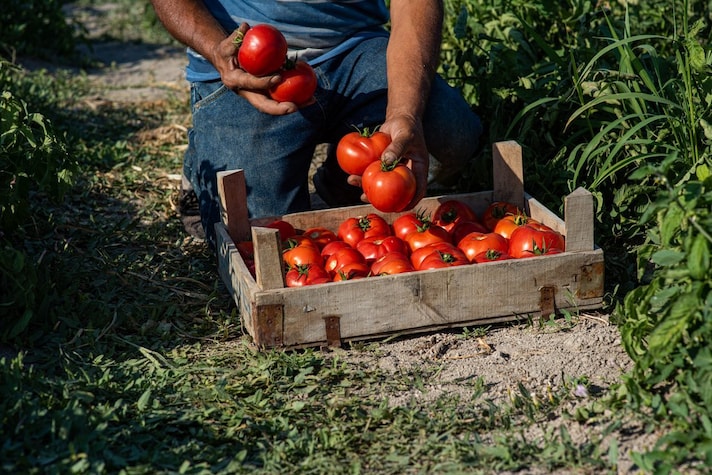
The study was conducted by pathologist Kai Ling, who brought back to life a tomato that originated in a Californian laboratory three decades ago. Its unique feature, as we've said, is its resistance to the ToBRFV virus: plants modified with the N gene showed complete resistance to the virus, which was no longer able to establish itself and destroy the tomatoes.
However, as always, all that glitters is not gold: the results have highlighted a limitation related to ambient temperature: tests have shown that at 22 degrees Celsius, protection is very high, but when the temperature rises to around 30 degrees, the gene loses its effectiveness and the plants become vulnerable again. This limitation should not be underestimated, especially considering the Mediterranean and subtropical areas where tomatoes are grown. But there is a solution to this too: it will be enough to grow tomatoes in controlled environments, such as greenhouses, in order to maintain ideal environmental conditions and limit the spread of the virus.
;Resize,width=767;)
