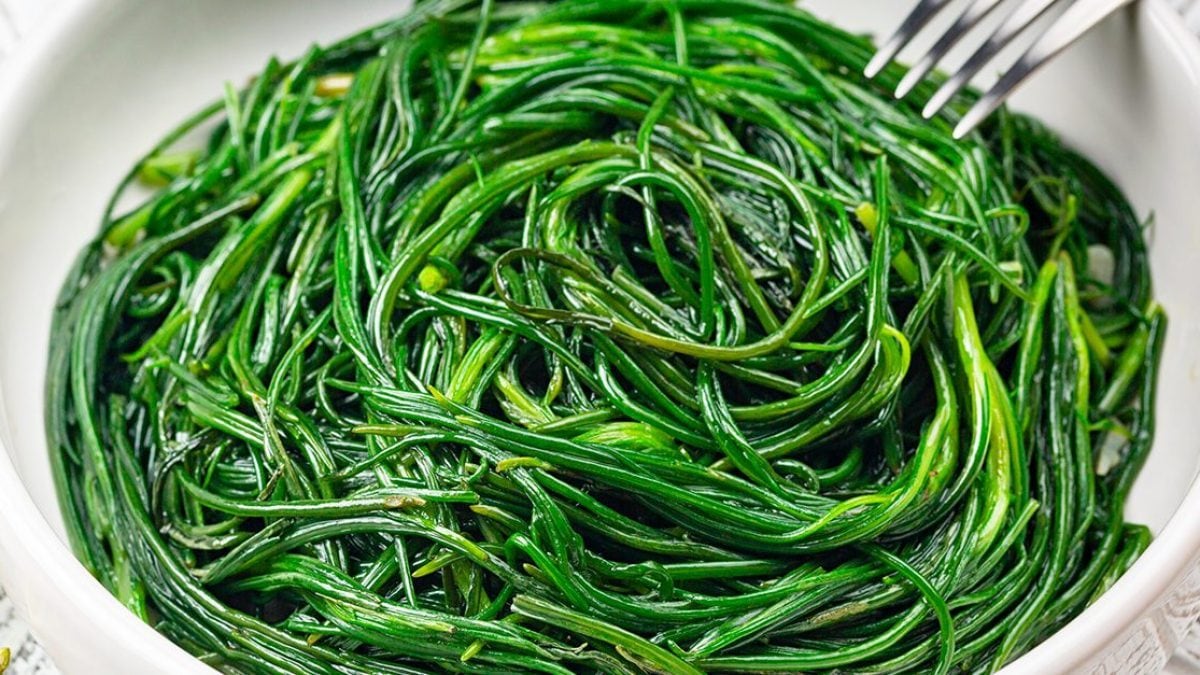
Spring arrives and they too appear on supermarket shelves: they are glasswort, a typical vegetable from March to May and which you may know by one of its many other names, depending on the region or its use. The most widely recognized term is samphire, particularly in the UK and U.S., though it’s also called sea asparagus due to its crisp texture and resemblance to asparagus. Another popular name is pickleweed, reflecting its tangy flavor, which makes it a great choice for pickling.
Whatever you call them, the essence remains the same: they are delicious, extremely versatile vegetables in the kitchen —they lend themselves to countless recipes, both traditional and otherwise —but above all, they have a rich nutritional profile, including abundant fiber, vitamins, and minerals. What are glasswort good for, and are there any contraindications? Let's discover all the characteristics and benefits of this precious, threadlike vegetable with a pungent, slightly acidic flavor.
Glasswort's Many Benefits
The reason glasswort is so beloved and always recommended for any diet, whether it's a diet or simply a healthy and complete diet, is its excellent nutritional profile: particularly rich in water —it contains approximately 92 percent per 100 grams of product—it's very low in calories (just 22 per 100 grams) and boasts an excellent content of fiber, vitamins A, B, and C, and minerals such as calcium, phosphorus, and iron. Let's explore all the benefits of glasswort in detail.

1. Excellent Cleansers
The best and most beloved quality of glasswort is that they are true natural purifiers: the presence of water and the good chlorophyll and potassium content allow them to help the body support the excretory organs (primarily the liver and kidneys), thus eliminating waste and toxins. They also have an excellent diuretic effect, making them ideal for those wanting to lose weight or simply stay fit, especially since, as mentioned, they are also very low in calories.
2. Gut Support
One of the main characteristics of glasswort is the fact that they contain a lot of fiber and this makes the vegetable not only filling, but very useful for supporting the regular functioning of the intestine: glasswort in fact have a mild laxative effect and are a great support for the digestive processes in general.

3. Support for The Bones
Glasswort is a great source of calcium, the most common mineral in these vegetables, containing approximately 130 milligrams per 100 grams of product, and for this reason it offers valuable support for bones and teeth.
4. Useful for Eyes and Skin
Vitamin A, the most abundant vitamin found in glasswort, is extremely useful for strengthening eye and skin health. In dermatology, in particular, it is a valuable aid in combating skin allergies and eczema, which are quite common during the spring season.
5. Natural Tonics
Glasswort also contain several B vitamins, particularly B3, which support metabolism and give the body strength and tone. For this reason, regular consumption of glasswort is recommended during periods of particular weakness and chronic fatigue.
6. Antioxidants
Thanks to their rich vitamin content, glasswort are excellent antioxidants that protect the body from the harmful effects of free radicals. This means that regular consumption of these vegetables boosts your body's defenses, particularly by strengthening the immune system, improving cardiovascular health, and controlling hypertension.

Glasswort's Contraindications
The good news is that there are no particular contraindications to eating glasswort: these greens are truly beneficial and can be eaten by anyone, provided they don't suffer from any allergies related to this vegetable or the plant family to which it belongs (Amaranthaceae). A reduction in glasswort consumption is recommended only for people with significant intestinal dysfunction, as excessively large portions could cause unpleasant abdominal pain.
;Resize,width=767;)
