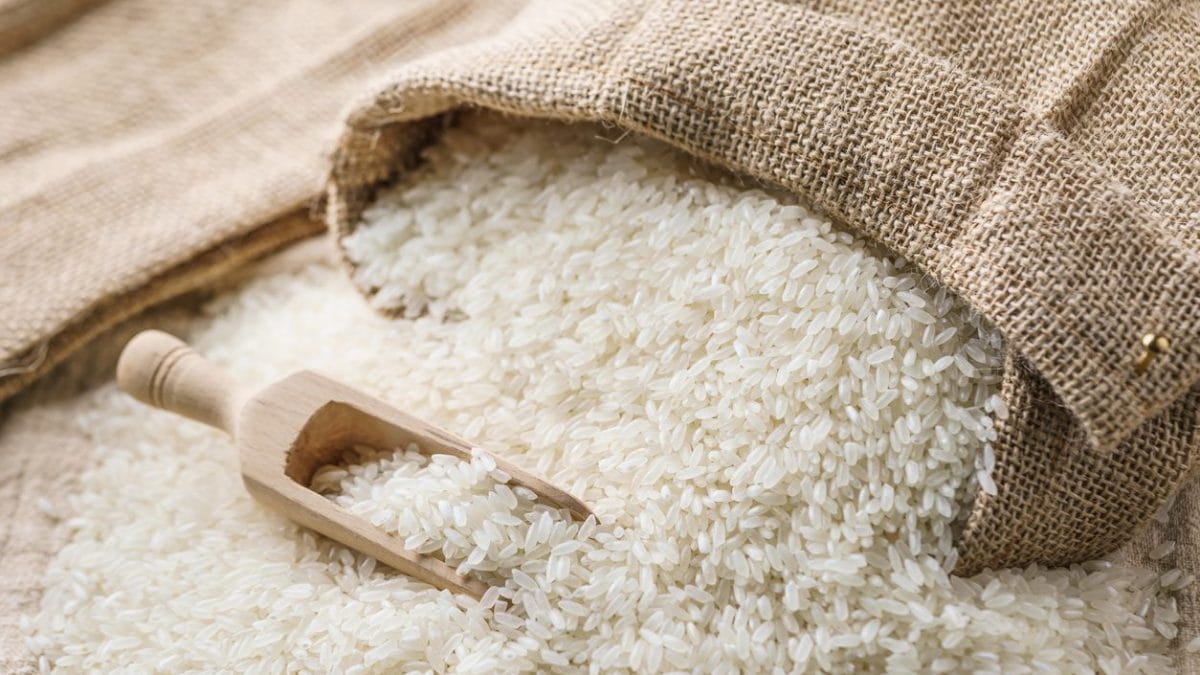
It needs no introduction because it is one of the most consumed cereals in the world, from East to West, from North to South: we are talking about rice. These small grains – white, black, whole, red – are the protagonists of various recipes that express different flavors and gastronomic traditions yet all sharing the same ingredient. Its extreme versatility makes it suitable for any type of preparation: from creamy risottos to Sicilian arancini, to exquisitely oriental dishes like curries, sushi, or fried rice. It can be enjoyed as a main course, but also as an accompaniment to meat, fish, or vegetables, or used in tasty desserts, such as puddings or cakes.
In addition to being a complete and highly digestible food, rice is naturally gluten-free, low in fat, and a good source of energy thanks to its complex carbohydrate content. However, like any food, it has some minor contraindications that are worth considering.
Rice's Origins and Characteristics
When we think of rice, our mind immediately goes to China, with its rice fields where men and women work wearing those particular and iconic conical hats: well, the most famous cereal of all time originates precisely in the East, more precisely in Southeast Asia. It is made from the caryopsis of Oryza sativa, a plant with very ancient origins, belonging to the Poaceae (Gramineae) family – the same as barley, corn and oats – which developed precisely in the East.

Even today, it is a staple in the diet of about half the world's population: it arrived in the U.S. during the colonial era taking hold in the Carolinas, then spread in a completely different map. Today, it is grown primarily in Arkansas, California, Louisiana, Mississippi, Missouri and Texas.
Rice's Benefits
It's one of the world's most consumed foods, and for good reason: rice is rich in nutrients and a source of great health benefits. First of all, it contains complex carbohydrates, capable of gradually releasing glucose. It's rich in B vitamins, fiber, and minerals such as magnesium, iron, and phosphorus; furthermore, it contains no cholesterol, gluten, or lactose.
1. Provides Energy
It's certainly not the only food with this property, but rice is composed of complex carbohydrates that help provide controlled-release energy to muscles and the brain, promoting intestinal health and metabolic functions. Thanks to its starch content, glucose is released slowly into the blood, avoiding the so-called glycemic peak and providing energy throughout the day.
2. Some Varieties Have a Low Glycemic Index
Rice has always been considered (rightly) a food with a high glycemic index. However, new studies have confirmed that some types are below the average threshold: two varieties of Italian rice, Selenio and Argo, have a glycemic index of 49.2 and 50.5, respectively (for comparison, that of white bread is 70), meaning they can also be included in nutritional plans for people suffering from obesity, diabetes, and metabolic syndrome.
3. Helps Intestinal Regularity
In this case, it's important to clarify that this doesn't apply to all types of rice: for this purpose, whole grain rice is definitely the most suitable. Thanks to its unique production process, it retains some of the bran and germ, providing more dietary fiber. Fiber, as is widely known, promotes intestinal motility, keeps the digestive system healthier, and helps create a feeling of satiety.

4. Promotes Cardiovascular Health
There isn't much scientific research on the subject, but an interesting study claims that brown rice, thanks to its higher content of antioxidants and phytosterols, supports heart health and helps limit systemic inflammation. Pigmented varieties (red, black, purple), on the other hand, help reduce diastolic blood pressure due to the presence of polyphenols.
5. It Is Naturally Gluten-Free
Rice is a naturally gluten-free cereal: this means it can be safely consumed by people with celiac disease or by those who have developed an intolerance to this protein.
Rice's Contraindications
Although it's considered a healthy food, there are some limitations and contraindications to rice that are worth knowing. As explained above, rice tends to have a high glycemic index —with the exception of the Selenium and Argon varieties—which means that high consumption of other types is not particularly recommended for people with diabetes or insulin resistance. It's naturally gluten-free, but it may cause digestive difficulties and bloating in some people; in these cases, it's best to reduce consumption.
;Resize,width=767;)
