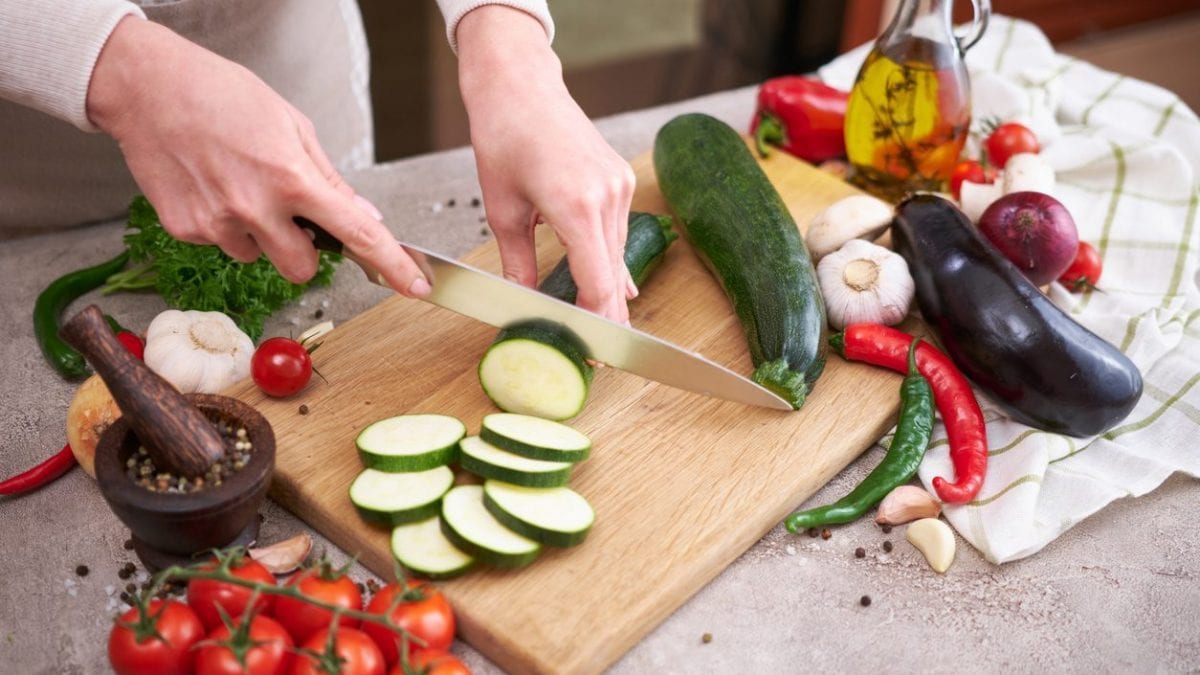
When it comes to restaurants, bars, or any type of establishment preparing and selling food to the public, food safety is a very important and serious issue. There's a specific regulation, the HACCP system, which covers all the fundamental rules that anyone handling food for sale must adhere to in order to avoid poisoning, infections, and various problems that could lead to even worse consequences. But in reality, these safety standards, which range from how to store food to the types of materials to avoid in the kitchen, should also be observed at home, when cooking for yourself, your family, or your guests. Especially in the kitchen, if food is not handled properly and certain hygiene principles are not followed, the risk of potentially dangerous bacteria forming is very high. But what are these rules that allow you to cook safely, even at home? Here are the food safety standards you should follow, even at home.
1. Hygiene (Both Personal and For Surfaces)
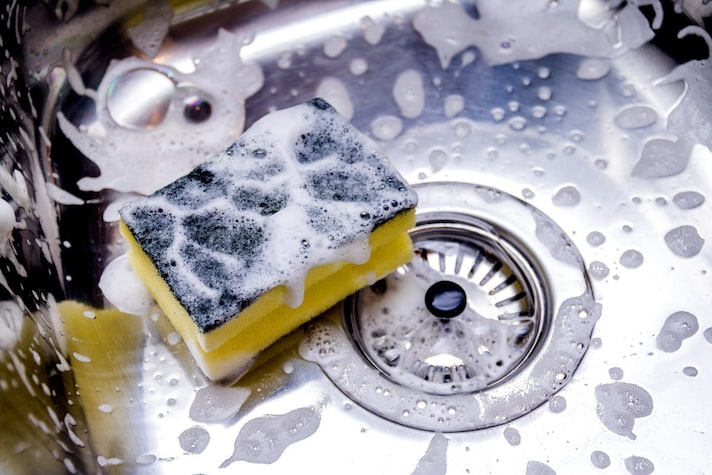
The first and most fundamental rule to keep in mind is that you can never sanitize all kitchen areas enough: work surfaces and the sink in particular, as well as cutting boards, wooden ladles, and knives, must be cleaned frequently and thoroughly, but these are the areas where the most bacteria that could settle on food, even harmless ones, nest. This also applies to the pantry or shelves where you store stored food, which should be cleaned frequently. It's also very important to sanitize your hands frequently —before, during, and after handling food—and to change sponges and dishcloths frequently, another major source of bacteria that we often overlook.
2. Household Appliances' Hygiene
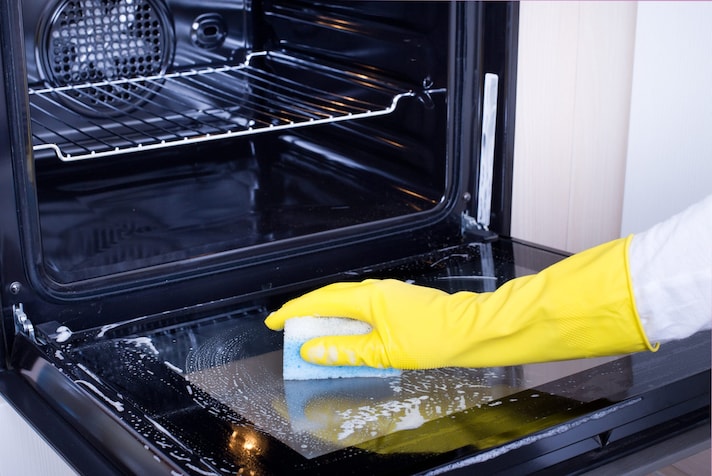
One of the most common things we forget is sanitizing appliances: simply cleaning them after use isn't enough, as some tend to develop more bacteria than others, especially those where humidity can accumulate, like the dishwasher or oven, but especially the refrigerator, where we store foods that tend to spoil more quickly. Therefore, the refrigerator requires thorough and frequent cleaning of every part, including seals and drawers, and the same goes for the freezer, which, even if it operates at lower temperatures, can develop various types of bacteria and germs (in this case, however, you can do it less frequently, about once every 5-6 months).
The dishwasher requires a certain amount of attention and frequent sanitization, because if it's not cleaned often and properly, it becomes a breeding ground for bacteria, mold, and unpleasant odors. For daily cleaning, a sponge and hot water are all you need. If you want to go deeper, you can use specific sanitizing detergents or natural methods. Clean the filter once a week: simply unhook it and soak it in boiling water and vinegar for 10 minutes. Every dishwasher has an internal cleaning cycle, which we recommend performing once a month.
Finally, the oven also requires some attention, as we all tend to use it without checking to remove any previous buildup. There are some very practical products on the market that will allow you to descale and clean your oven quickly, but if you prefer, you can also clean it using natural methods. When cooking, wipe down crumbs and residue with a cloth and give your oven a deep clean once a month. This rule also applies to other similar appliances, such as air fryers or microwaves.
3. Food Storage
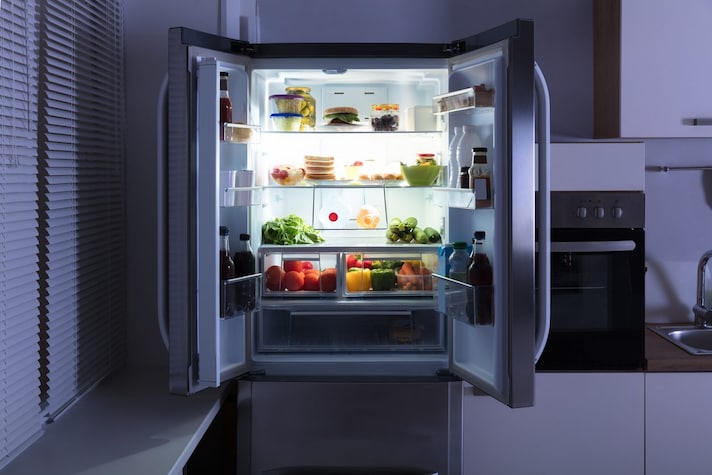
Food preservation is very important to avoid possible bacterial contamination and to prevent a deteriorating product from spreading to other foods. When storing less readily available foods in the pantry, first make sure the pantry is clean, then arrange foods with a longer shelf life at the back and those with a shorter shelf life at the front. As for the refrigerator, it's important to remember that the arrangement of foods inside is not random: to comply with safety regulations, everything must be stored in suitable containers with airtight seals, cooked foods must be separated from raw foods, and each food item has its own specific place, depending on the different temperatures in each compartment of the appliance.
4. Thawing Food Properly
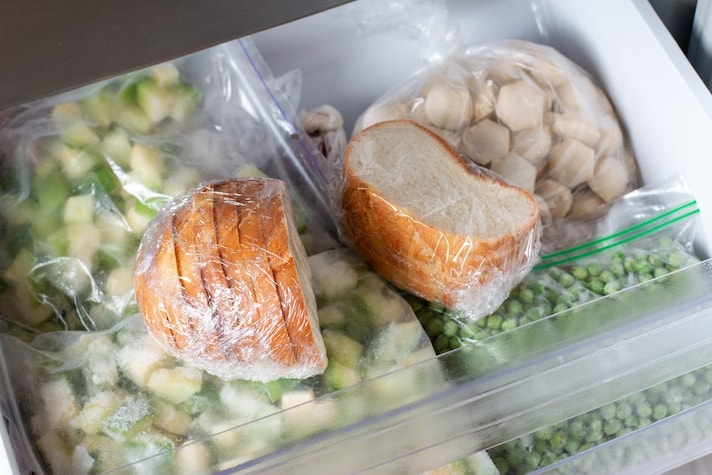
One of the simplest ways to trigger bacterial contamination is to subject food to temperature changes, which are highly harmful. This is especially true when thawing something: it's important not to interrupt the cold chain by first placing the food in the refrigerator. Remember that it's absolutely forbidden to thaw and refreeze food, and that there are some foods you should never freeze.
5. Cooking Food
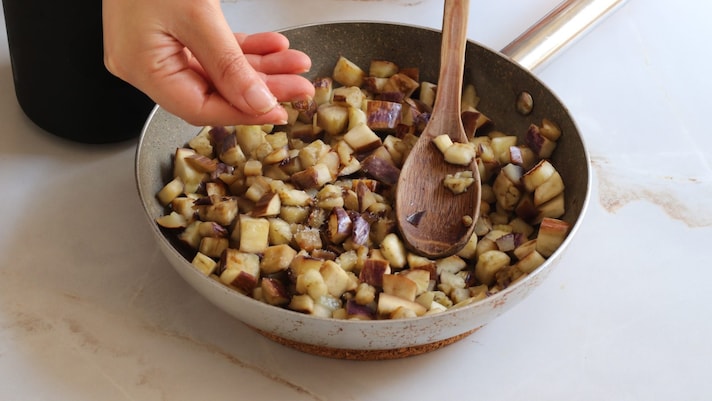
Some foods absolutely cannot be eaten raw because they can harbor bacteria that are killed by cooking. For example, eggplant, pork, chicken, and potatoes all require thorough cooking, carefully following the manufacturer's instructions on the label. When eating something raw, such as fish carpaccio, always remember to make sure the fish has been frozen first, or marinate it for a few hours. Furthermore, if you need to reheat cooked or thawed foods, be sure to bring the temperature to at least 160°F/70°C to neutralize the risk of bacterial growth.
6. Be Careful With Water
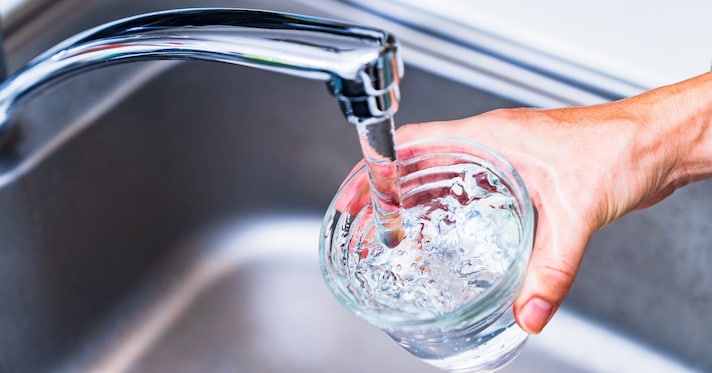
The water we use to cook, wash, or clean everything we handle in the kitchen—food, but also utensils, bowls, plates, and cookware—is what we take most for granted, yet it's the element most susceptible to contamination by germs and chemicals. This is why you should use water you're absolutely certain is drinkable. If you have any doubts about its purity, you can use a special device to filter it.
7. Pay Attention to Materials
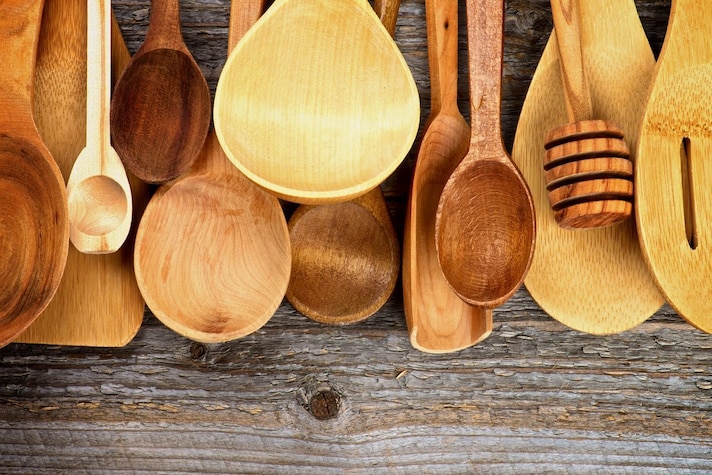
If you've watched any cooking show on television, you'll know by now: wood can no longer be used in professional kitchens, but in reality, it would be best if you avoided using it in your home kitchen as well. This is because wood, as beautiful as it is to display, is not a very hygienic material. It is highly porous, absorbing water that remains inside, thus encouraging the growth of bacteria that can creep in between the cracks. Furthermore, it is very difficult to clean thoroughly, also because it is one of those materials that should never be put in the dishwasher: the only way is to use a neutral soap or natural methods and let it dry in the sun or on a radiator so that all the water it absorbs evaporates immediately, but even then, it is difficult to guarantee that it is completely sanitized.
Be careful with aluminum, or rather, certain types of aluminum, because contact with acidic substances can transmit harmful substances to food. Avoid cling film, especially older PVC, as it contains petroleum-derived substances that can leach into fatty foods (prefer PE). Plastic should also be used with care, both for containers and for items like cutting boards. Be sure to choose those labeled PE and HDPE in the triangle with arrows underneath the containers, as these do not transfer any chemical compounds or microplastics to hot or cold food.
;Resize,width=767;)
