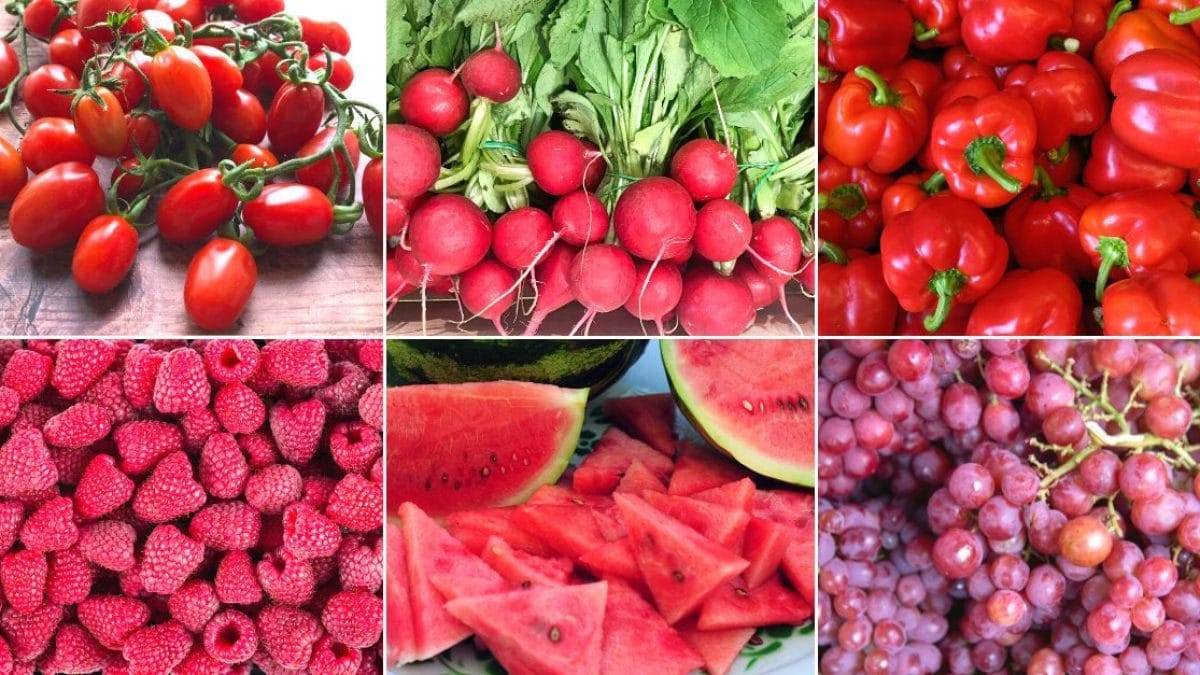
A healthy and balanced diet depends on many factors, including the colors of the foods we eat. Fruits and vegetables, as you well know, exist in nature in many colors, but these are not just an aesthetic characteristic: each color group indicates the presence of a specific type of substance within the food and, consequently, different benefits for our body's health.
Thus, blue/purple fruits and vegetables owe their color to anthocyanins, pigments that provide strong antioxidant and anti-inflammatory properties; yellow/orange fruits and vegetables owe their color to carotenoids, which have strong antioxidant properties; and green fruits and vegetables owe their hues to chlorophyll, which, in addition to providing their characteristic color, makes these foods excellent allies for your health. Today, we're examining another large category of foods, red fruits and vegetables: why are they so important, which foods fall into this category, and why should we consume at least one serving of green foods a day? Let's find out together.
What Are Red Fruits and Vegetables and What Do They Contain?
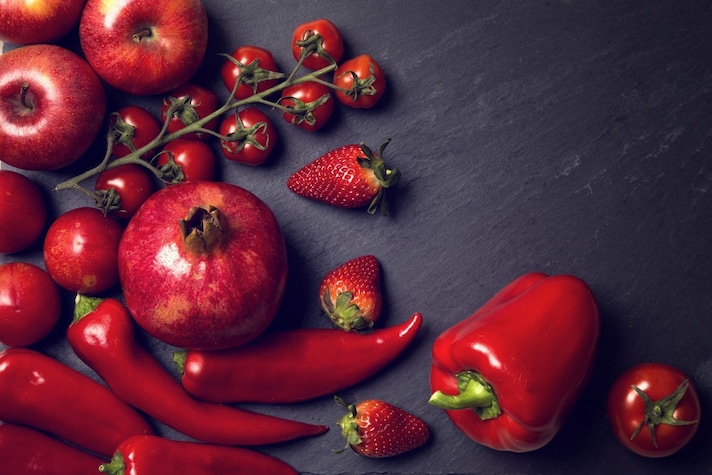
The red fruits and vegetables group includes a huge number of foods, many of which are commonly consumed, if not daily. This group includes: tomatoes, peppers, radicchio, red onions, radishes, beets, rhubarb, chili peppers, black cherries, watermelon, cherries, strawberries, raspberries, red apples, pomegranates, cranberries, pink grapefruit, currants, and red grapes.
In both cases, whether vegetables or fruit, the more or less intense red color is due to the presence of two particular compounds, anthocyanins and lycopene: two phytochemicals with strong antioxidant properties, which help the body fight free radicals and cellular aging. Anthocyanins, in particular, have a specific effect on protecting the heart and the entire cardiovascular system. They are also rich in vitamin C, which strengthens the immune system, and contain mineral salts that promote hydration and have draining and anti-inflammatory properties.
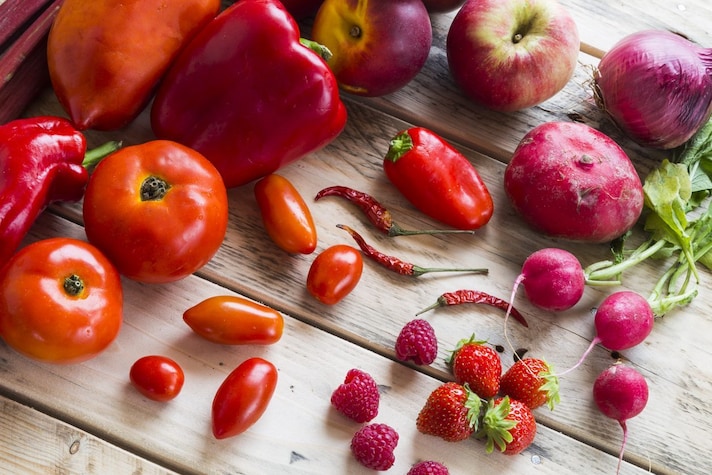
The phytonutrients and antioxidants in red foods are, in some respects, superior to those of other colors, and, interestingly, size and cooking method can make a difference: some small tomato varieties (such as datterini) boast a higher presence of antioxidants than larger varieties, and cooking tomato sauce for a long time can triple the lycopene content. Red fruits and vegetables are therefore unique, because cooking them does not cause them to lose nutrients, as is the case with green foods, but rather enhances them further.
What Are The Main Benefits of Red Fruits and Vegetables?
Several scientific studies have demonstrated how the rich nutritional profile of red fruits and vegetables contains a series of substances and nutrients that are extremely beneficial for your body. But what exactly does this category of foods do?
- Lycopene, a nutrient belonging to the carotenoid family, has a very high antioxidant power that helps eliminate free radicals and prevent their action. This translates into various benefits at the cellular level: the skin, for example, is supported in remaining smooth and blemish-free, but according to some studies it also means support against the risk of developing specific types of cancer, such as prostate cancer, and it also means a great support for neurological health. Lycopene is found in all red fruits and vegetables but is particularly concentrated in tomatoes and watermelon, especially those at the peak of ripeness.
- Along with lycopene, there are anthocyanins, antioxidant substances belonging to the flavonoid family that affect the health of the heart and the cardiovascular system, helping to maintain its health and prevent the onset of pathologies. Not only that: anthocyanins also help in the prevention of various forms of hypertension and arteriosclerosis, and their action is also useful for improving vision problems.
- The reduction of cellular oxidative stress, together with the excellent supply of mineral salts, make red fruit and vegetables also excellent for reducing tiredness and fatigue in favor of an energizing and restorative effect.
- Red fruits and vegetables contain a good dose of vitamins, particularly vitamin A, which, together with anthocyanins, is essential for healthy eyesight, and vitamin C, which increases the antioxidant effect of other substances, helping skin health by stimulating collagen production, but also by stimulating and protecting the functioning of the immune system.
- The many antioxidants found in red fruits and vegetables also play a role in facilitating the functioning of the gastrointestinal tract. First of all, they contribute to proper digestion, but they also have laxative properties and, in general, help maintain proper intestinal function. Furthermore, they contain a lot of water, a characteristic that makes them excellent natural drainers, useful for eliminating excess toxins.
;Resize,width=767;)
