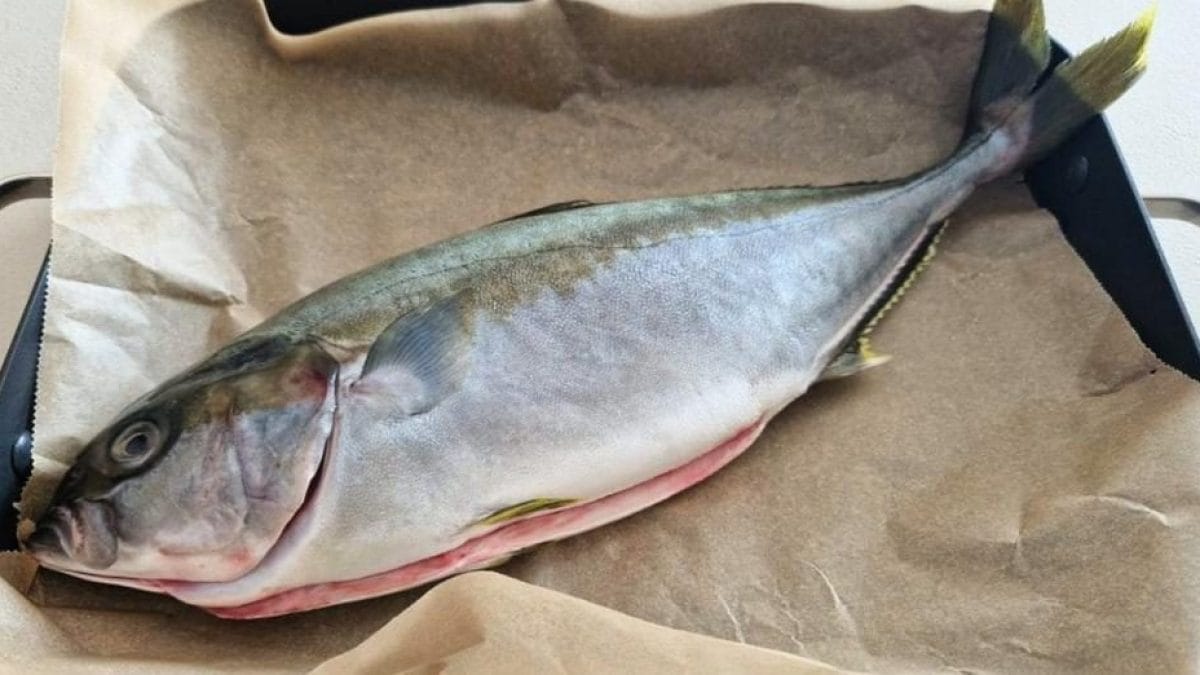
Perhaps it's its slender, elegant body, silvery color, and firm flesh that makes the amberjack one of the most prized fish around, ready to make a statement in so many versatile, refined recipes. It's no coincidence, in fact, that it's often mistaken for a white fish, when in fact it's actually an oily fish: the best, apparently. Because it shares excellent nutritional properties with sardines and mackerel, while swordfish shares its meaty, lean flesh, perfect for serving in baked or pan-fried dishes, as well as raw, like carpaccio and tartare. Let's get to know the amberjack better, to discover its benefits and how to enhance it in the kitchen.
What is The Amberjack?
The amberjack that reaches our tables is known by the scientific name of Seriola dumerili and belongs to the Carangidae family. It is a pelagic species that lives in the deep waters of both the Mediterranean and the oceans, from 20 to 300 meters deep, and has an average lifespan of 15 years. Known as the "queen of the sea," it is a fish of imposing size, so much so that it is not uncommon to catch specimens weighing more than 30 kg, sometimes reaching 90-100 kg, although on fishmongers' stalls you mostly see amberjacks weighing 2 kg. Its shape is that of an elongated oval, characterized by two dorsal fins: it is silvery in color, darker on the upper part, with yellow hues, especially visible in juveniles.
Amberjack is predominantly found in the wild, fished professionally with nets, but it is also widespread among sport and amateur fishermen, where it is prized for its challenging nature: its season runs from January to October. For several years now , attempts have been underway around the world to make amberjack fishing sustainable, in order to protect increasingly depleted fish stocks. The most common fishing method, known as purse seining, risks jeopardizing the survival of this fish: it involves massive inshore hauls that too often also catch the youngest specimens, preventing them from reproducing.
Amberjack's Properties and Benefits
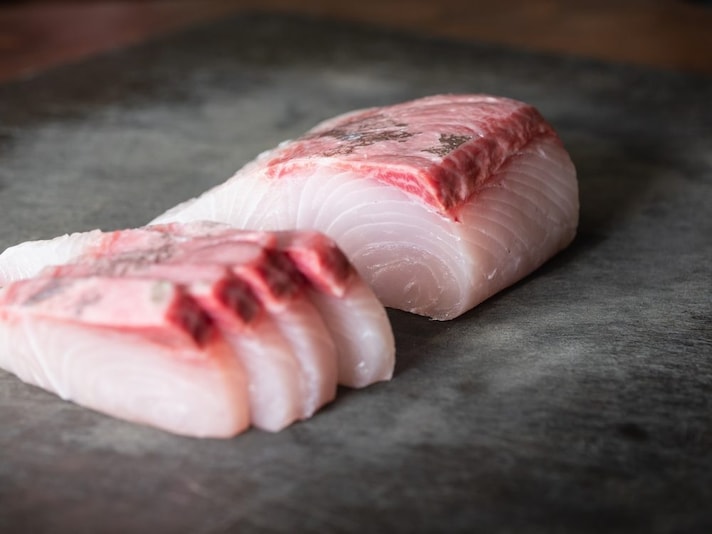
Amberjack is a blue fish and as such enjoys all the benefits of the category, thanks to its excellent nutritional values. It contains high biological value proteins, useful for muscle and bone health, and its fats are mostly unsaturated, such as omega-3 and omega-6. It is rich in vitamins, especially groups A and D, and minerals, such as phosphorus and potassium, which help fight cellular aging. Its meat is highly digestible, making it suitable for those with gastrointestinal problems and those suffering from slow digestion. It is low in calories, 146 kcal per 100 g.
How to Enhance Amberjack in The Kitchen
Precisely because of the characteristics listed above, amberjack is a much-loved fish in the kitchen, especially among chefs, so much so that it is often seen on restaurant menus rather than in home recipes. The amberjack's flesh is white and firm, making it pleasing to the eye: it can be purchased filleted, sliced, or whole. The average price is around 35-40 euros per kilo.
It can be enjoyed raw, following these instructions:
- It must be chilled before consumption, which means purchasing it very fresh and then storing it in the freezer for at least 96 hours. Only then can it be used as the star of a crudité platter, or as a carpaccio or tartare.
- It goes particularly well with foods that enhance its flavour, without covering it: for example seasoned with a drizzle of oil and accompanied by fruit (green apple, white peach) or vegetables (carrots, tomatoes, cucumbers, fennel) so as to play with crunchy consistencies.
- Marinades are excellent for flavoring the meat. Try an emulsion with extra virgin olive oil and citrus fruits, such as pink grapefruit, which is aromatic without being too acidic.
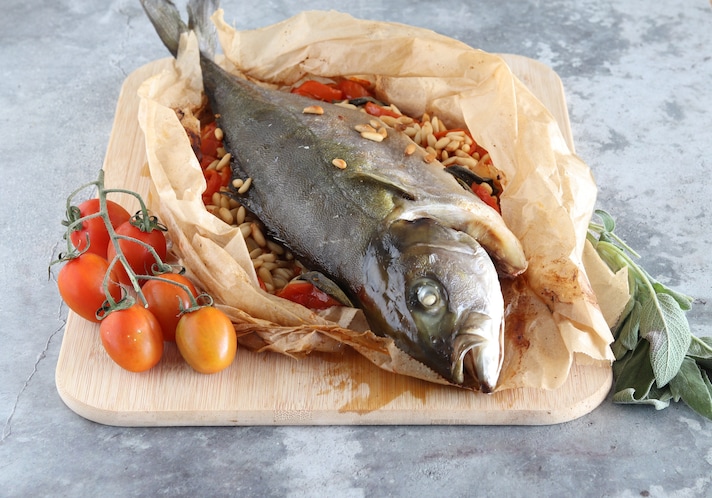
If you want to cook, however, you can opt for different types of cooking:
- Baked, seasoned with lemon, garlic, thyme , and rosemary. Baked amberjack is cooked with sliced potatoes, so you can have a main course and a side dish all in one.
- In a pan, ideal in recipes with a Mediterranean mood taking inspiration from Sicilian swordfish, with cherry tomatoes, red onions, olives and capers.
- Grilled or griddled, for a seaside vacation feel. In this case, the whole fish is recommended, as with sea bass, brushing the surface with a sauce of extra virgin olive oil, lemon juice, and chopped herbs.
- In pasta, as firm meats lend themselves to a good ragù: just deglaze with white wine and flavor with homemade tomato sauce or fresh tomatoes, like paccheri with sea gurnard sauce. The result will be truly delicious.
;Resize,width=767;)
