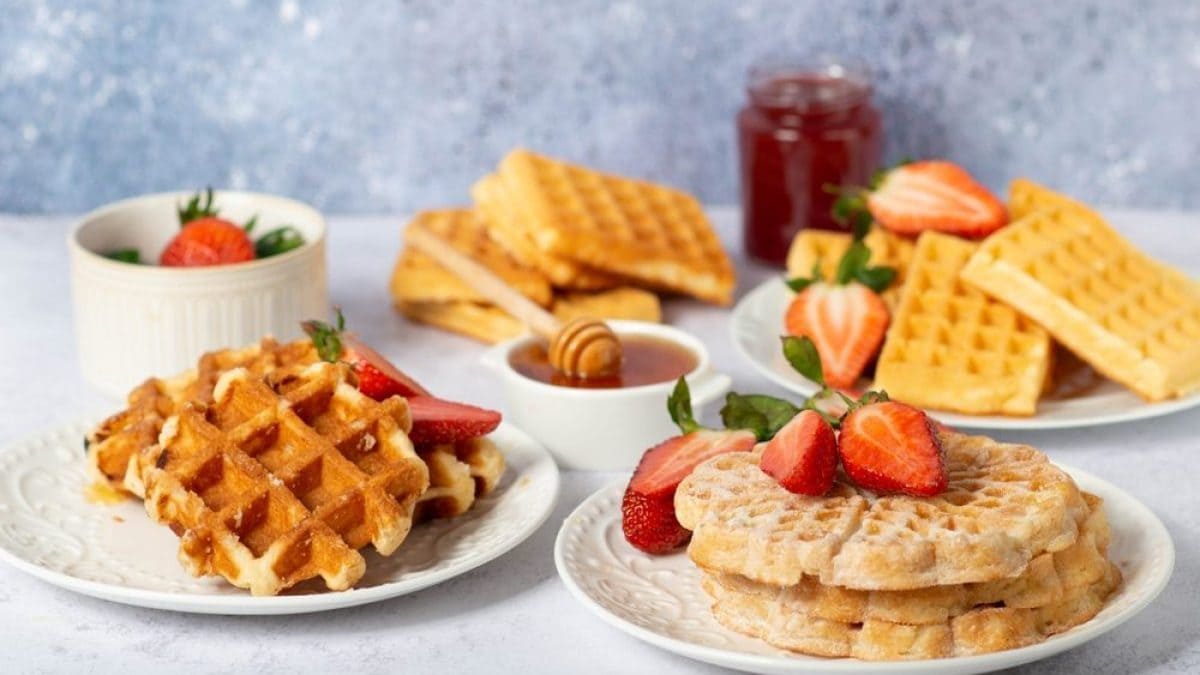
Inviting wafers with a surface made of small cavities where the topping collects, these sweets are among the most beloved at any time of day, from breakfast to dessert, but in one country in particular they are also a famous street food: we are talking about the gaufre, a typical Belgian waffle, and the waffle, a very similar preparation typical of the United States. Although the two recipes appear very similar, both in their honeycomb shape and in the way they are consumed (covered with syrup, ice cream, fruit, and chocolate, to name just a few of the most famous toppings), in reality they are not the same thing. One, in fact, was created later and derives from the other recipe, but above all the doughs differ in one specific ingredient, yeast, and in particular the type of yeast used. Which came first, the gaufre or the waffle? Which of the two uses brewer's yeast and which uses baking powder? Here's everything you need to know about these delicious honeycomb desserts.
All The Differences Between Gaufre and Waffles
The first to appear as a traditional recipe were waffles or gaufretters (French for "honeycomb"), soft and delicious waffles with the classic honeycomb shape that originated in Belgium several centuries ago. They already existed in medieval times and were prepared inside two iron plates with decorated surfaces and long handles, originally placed directly over the fire. Many of these ancient molds, with fanciful motifs or dynastic emblems, are now preserved in museums, with some of the most beautiful being at the Musée de Cluny in Paris.
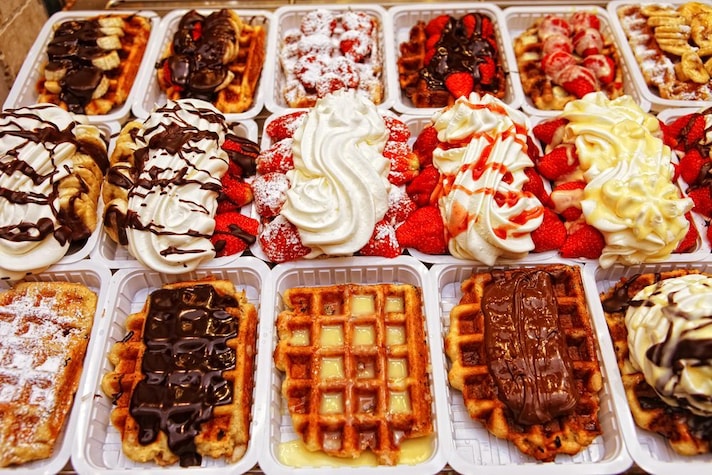
Waffles are characterized by the presence of brewer's yeast in the dough, which, when mixed with eggs, milk, and flour, creates a thick, spongy, and soft waffle consistency on the inside, but with a distinctive crispiness on the outside. This is achieved by cooking between two hot plates, which give this single-serving dessert its classic honeycomb or embossed appearance. Perfect for breakfast or as a snack, waffles are often eaten as street food and are also found in savory versions thanks to their neutral flavor. The shape of the dessert varies depending on where you are: in Brussels, you'll find rectangular waffles with smooth, regular edges, while in Liège, they have a rounded, honeycomb-like edge, as well as a sweeter dough, to which sugar is also added.
Waffles first spread to Northern Europe (particularly France, the Netherlands, Germany, and Scandinavia) and then to the rest of the world, finally arriving in the United States, where they were "transformed" into the waffles we know today. Like many other recipes now considered typically American, honeycomb waffles also arrived in what is now the United States with the pilgrim fathers who arrived in the New World from the Netherlands and Belgium. This migration from Europe to America also led to the main difference between the two desserts: the type of yeast used. The brewer's yeast present in the original recipe was too difficult to preserve during long journeys, so it was initially omitted entirely and later replaced with baking powder. Even today, this remains the major difference between the two products: American waffles are made with classic industrial baking powder, which is why the resulting waffles are shallower and less fluffy than gaufre, which, when made with brewer's yeast, swell more, becoming taller and softer. Furthermore, baking powder doesn't require waiting for fermentation, so American waffles are also easier and quicker to prepare.
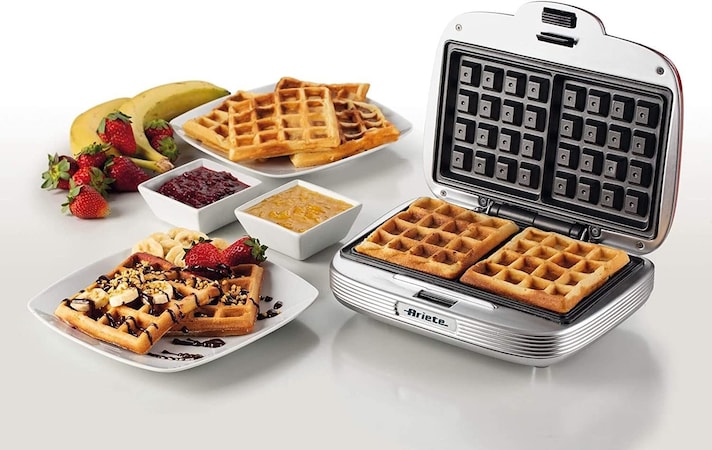
American waffles are more like real waffles, but they still have the classic honeycomb surface, created by pouring the batter (made of yeast, flour, milk, butter, eggs, and sugar) onto double hot plates that give them their classic shape. Although thinner than their Belgian cousins, American waffles are still soft on the inside and crispy on the outside after cooking. They're typically eaten for breakfast or brunch, thanks to their neutral flavor that makes them perfect with sweet toppings (among the most popular are maple syrup, fresh fruit, peanut butter, and ice cream) but also excellent with savory toppings, usually scrambled eggs and slices of crispy bacon.
;Resize,width=767;)
