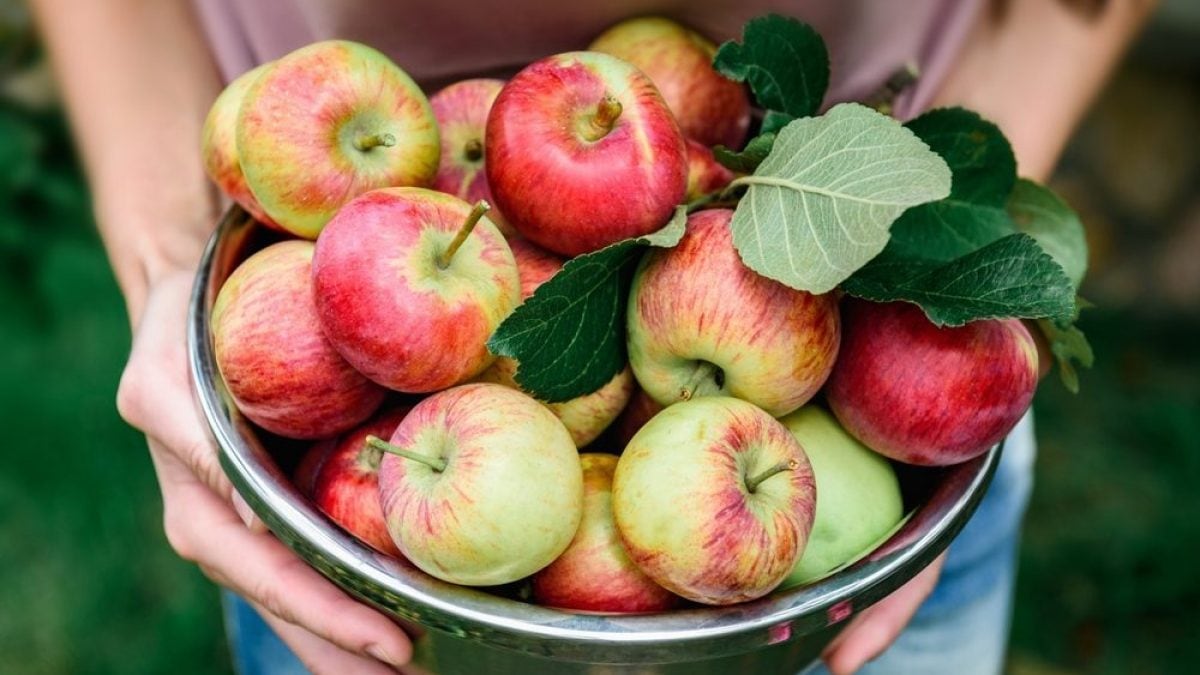
"An apple a day keeps the doctor away": how many times have you heard this saying, perhaps from your parents or grandparents? Like many other popular sayings, this one also has a grain of truth: apples are not only delicious fruits, but also sources of health and well-being, true natural medicines for our bodies.
An ancient fruit that probably appeared as far back as the Neolithic period in Asia Minor, the apple has now become well established throughout the world and especially in the U.S., where it has become a true excellence: there are many varieties available, from McIntosh to Honeycrisp and Pink Lady, from Gravenstein to Cortland, each one tastier than the next and each one healthier than the next.
Whatever the type, apples are loved for their juicy, sweet flavor. They can be eaten on their own as a healthy snack, but they're also appreciated for their incredible versatility in the kitchen, where you can use them in dozens of recipes, both sweet and savory. Rich in minerals and B vitamins, which aid digestion, apples are truly magical: let's see everything there is to know about this fruit, and discover why it helps keep the doctors away.
Apples' Properties and Benefits
The first thing you need to know about apples is that they're extremely low in fat and calories: they contain about 40 calories per 100 grams, and while they're high in sugar, these are simple sugars that our bodies absorb immediately (unlike complex sugars). This makes them an excellent snack for those who want to stay light, those on a diet, and those who play sports. Rich in fiber, vitamins, and other beneficial substances, apples boast many benefits, including:
- Digestive aid. Thanks to the presence of both soluble and insoluble fiber, apples help promote intestinal regularity and digestive health, as well as being very useful for maintaining a healthy weight and reducing bad cholesterol (LDL) in the blood.
- Fight oxidative stress. Apples contain a high dose of antioxidants, including flavonoids and polyphenols, all compounds essential for fighting oxidative stress in the body, reducing the risk of chronic diseases like heart disease and diabetes.
- Immune system support. Thanks to the presence of vitamin C, essential for a healthy immune system, apples stimulate the production of immune cells and protect the body from damage caused by free radicals.
- Support against anemia. Apples contain a good dose of vitamin B9, better known as folic acid: it is a valuable substance that our body cannot produce and therefore we only obtain through food. It aids the normal production of red blood cells and thus prevents various forms of anemia. Furthermore, it helps prevent fetal malformations, making it highly recommended during pregnancy.
- Source of hydration. Apples are about 85% water, making them an excellent way to stay hydrated. This is a practice you should get used to, as proper hydration is important for the proper functioning of all body systems, including the skin, joints, and digestive system.
- Weight control. As we've already mentioned, apples are very low in calories and consist mostly of water and simple sugars, easily absorbed by the body. This makes them an excellent choice for diets aimed at weight loss or maintaining a healthy weight, also because they provide a good feeling of satiety.
- Natural cosmetics. You may not know it, but eating apples also means taking care of the cosmetic side of your body. Apples, especially apple juice, contain a high concentration of beta-carotene and phosphoric acids, making them an excellent natural cosmetic: carotenoids, in fact, are antioxidants that affect the health of hair, skin, and nails.
All the substances we've mentioned so far are found in every part of apples, but it's important to point out that they're particularly present in the peel: inside, in addition to vitamins, minerals, and everything else, there's the greatest amount of pectin, a fiber that, among its various functions, greatly helps regulate the intestines and control body weight, blood sugar, and cholesterol. Precisely for this reason, nutrition experts recommend eating apples with the peel, obviously provided they come from an organic farm that guarantees the absence of chemical treatments and provided that you wash them thoroughly before consuming them.
Side Effects and Contraindications
Eating apples does not cause any type of side effects or contraindications, especially if eaten raw as they are: like any food, it is best not to abuse them, but in general they do not cause any particular problems.
If you prepare baked apples, a particularly tasty comfort food, you need to pay more attention: they have a higher sugar concentration, due both to the evaporation of the water and to the addition of sugar during cooking, and furthermore if you have intestinal problems they could lead to them worsening, especially if eaten in excess.
As for apple seeds, it's best to avoid ingesting them because they contain a small amount of cyanide, just like many other fruit seeds. Don't be alarmed, though: the amount present in the tiny apple seeds is so minimal that you'd have to ingest a huge amount to poison yourself. Nonetheless, it's best to separate the fruit from its seed, which shouldn't be chewed or ingested. And remember, this also applies to your pets, so if you feed them fruit, always remember to remove the seeds and pits.

How to Use Apples in The Kitchen
The ways to use apples in cooking are practically endless: thanks to their irresistible fragrance, their sweetish taste that varies in intensity depending on the variety of apple you use, and their consistency, apples can become perfect ingredients.
The area in which they excel is certainly desserts, which when prepared with apples become real treats, starting from the classic apple cake or the exquisite apple tart, passing through spiced cinnamon muffins and tasty pancakes, up to traditional specialities such as Austrian apple strudel and American apple pie.

Apples can also make an excellent jam, ideal for filling desserts or spreading on toast, or canned apples, an easy and versatile fruit preserve, excellent for decorating desserts and for enhancing a bowl of ice cream or plain yogurt. They can also be used to make drinks, such as tasty apple juice or apple liqueur.
Apples aren't just a great addition to sweet dishes; you can use them in dozens of savory dishes, from risotto to chicken with apples, adding a slightly sweet and sour aftertaste that's absolutely irresistible. For example, apple chutney is excellent with meat dishes like roasts and boiled meats, but it's also a great accompaniment to a platter of aged cheeses, paired with slices of homemade bread for an original appetizer.
;Resize,width=767;)
