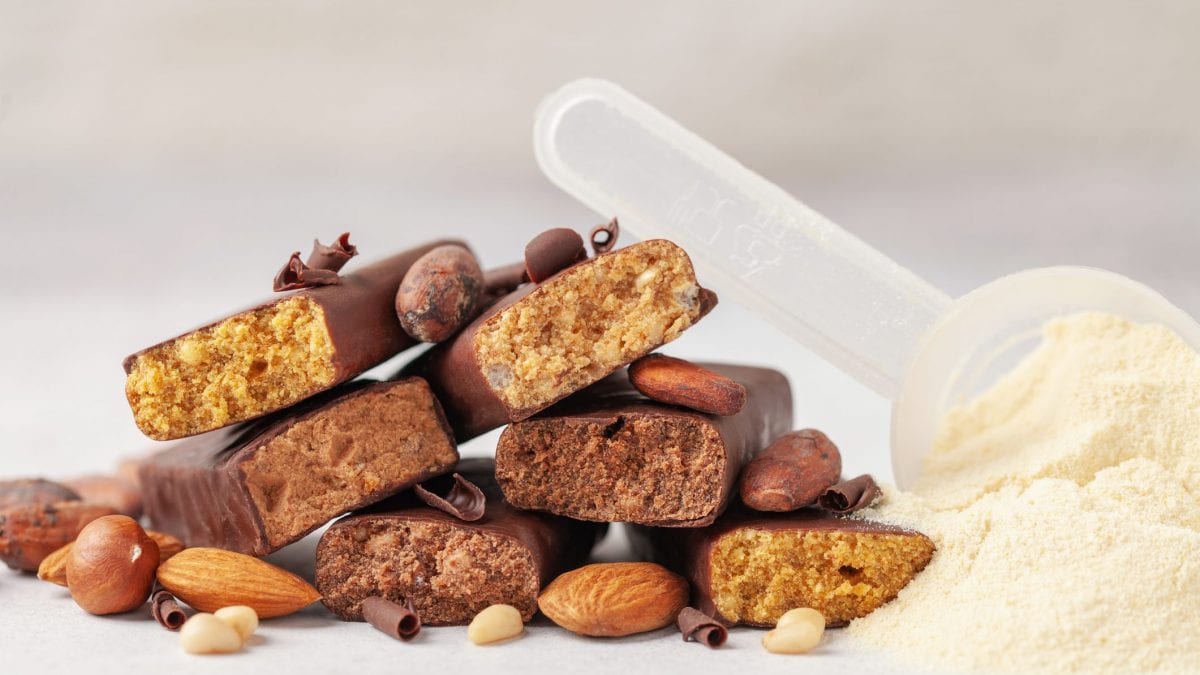
If you’ve ever reached for a chocolate bar or your favorite chocolate snack and noticed it didn’t taste quite like you remember, you might be onto something. As cocoa prices rise and climate change disrupts the chocolate industry, many brands have turned to altered recipes and cost-cutting strategies that may leave you wondering: are we still eating real chocolate?
The Rising Cost of Cocoa
Chocolate has always been a beloved treat, but the global cocoa market is facing a significant shift. Cocoa prices have risen sharply in recent years, driven by climate change, supply chain disruptions, and an increasing demand for chocolate (especially in emerging markets). According to recent reports, the cocoa harvest is being increasingly threatened by unpredictable weather patterns, which have hurt the supply of high-quality beans. This, in turn, has made chocolate production more expensive.
How does this affect your chocolate snack? Well, as cocoa prices climb, chocolate companies are looking for ways to reduce costs without scaring away consumers. That often means cutting back on real cocoa solids and replacing them with cheaper alternatives.
The Rise of Cocoa “Substitutes”
It turns out, many of your favorite chocolate snacks might not contain as much real cocoa as you think. In order to keep prices low and maintain profit margins, some manufacturers are substituting cocoa butter and cocoa solids (the essential components that make chocolate, well, chocolate) with vegetable fats or cocoa-flavored compounds. These substitutes are often used in chocolate coatings for snacks like candies, cookies, and baked goods.
As a result, "chocolate-flavored" snacks are becoming increasingly common: snacks that may taste sweet and familiar, but don’t contain the real, high-quality chocolate consumers expect. Instead of cocoa solids, many of these products now contain palm oil, whey, or artificial flavorings to mimic the taste and texture of real chocolate.

What’s Driving the Shift?
So why are manufacturers making these changes? The biggest reason is the economics of chocolate production. The cost of cocoa beans has risen by more than 60% in the last few years, and the future of cocoa farming is uncertain. Climate change, with its extreme weather events and unpredictable harvests, is making it more difficult to produce cocoa at a consistent and affordable rate. Some reports suggest that climate change could decimate the global cocoa supply by 2050 if current trends continue.
To combat these challenges, companies have found it more cost-effective to use cheaper fats or flavorings to replace real chocolate. This shift is especially noticeable in cheaper, mass-market chocolate products, where the ingredients list now reads more like a science experiment than something you’d expect from a traditional chocolate bar.
Is it still chocolate if it doesn’t contain cocoa? That’s the debate some chocolate purists are having. While the U.S. Food and Drug Administration (FDA) sets regulations for what can be labeled as “chocolate,” the line between what constitutes “real chocolate” and what doesn’t has become blurrier. For instance, the use of chocolate-flavored coatings instead of real chocolate has become standard practice in many snacks. As these changes become more common, it’s clear that the definition of chocolate is shifting.
How Can You Tell if Your Chocolate Snack Is Real?
If you’re concerned about whether you’re getting the real deal in your chocolate snacks, check the ingredients list. Authentic chocolate products will list “cocoa mass,” “cocoa solids,” or “cocoa butter” as the primary ingredients. Anything that substitutes cocoa butter for a vegetable fat or lists artificial flavorings is a sign that your snack may not be 100% real chocolate.
You can also look for “fair trade” or “organic” certifications. While these labels aren’t guarantees of 100% pure cocoa, they do often signify higher-quality cocoa beans and a more ethical approach to sourcing.

;Resize,width=767;)
