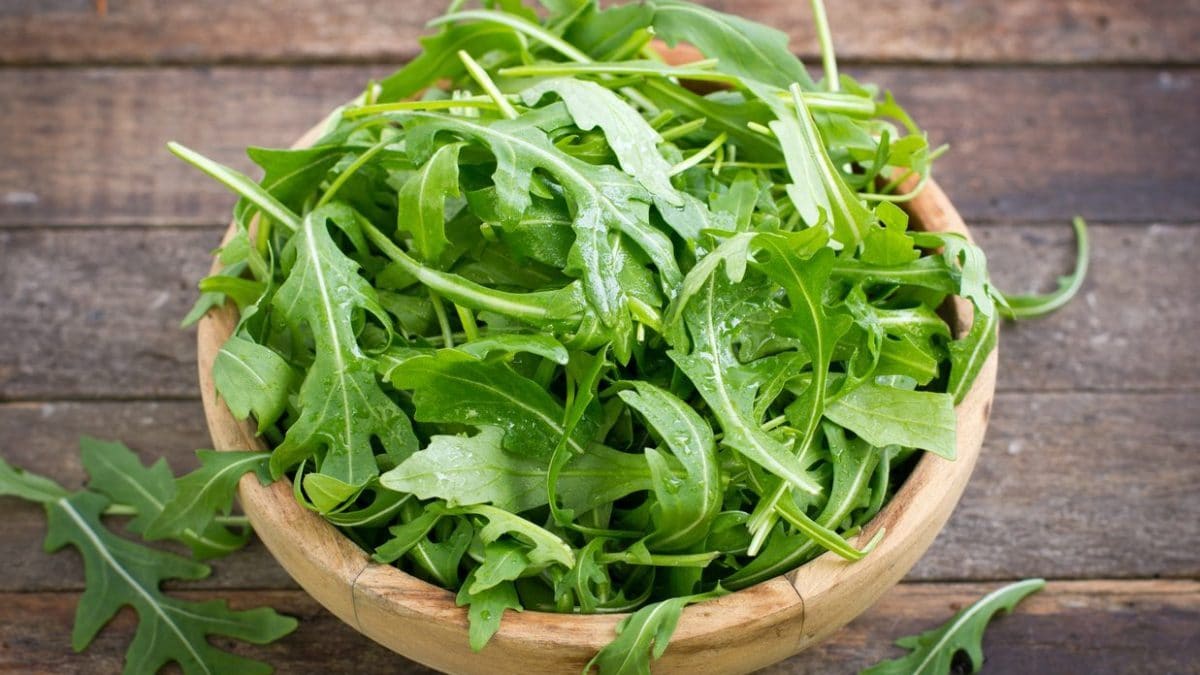
A pungent, bitter flavor, whether you love it or hate it: this is the best-known characteristic of arugula, a herbaceous plant belonging to the Brassicaceae or Cruciferae family and typical of the months between March and September. Also known as rocket, rucola, or rugola, Eruca sativa (this is its scientific name) has been known since ancient times: traces of it can be found in the culinary habits of the ancient Romans, who loved it for its pleasantly spicy flavor and its incredible beneficial properties. Arugula, in fact, in addition to being very versatile in the kitchen thanks to its pungent flavor, is a true concentration of benefits: it has a strong diuretic effect, is an ally of the stomach and intestines, and is practically calorie-free. Let's discover all the properties and benefits of this precious vegetable, which you can find both cultivated and wild.
Arugula's Properties and Benefits
Arugula is a dream for anyone following a diet or who is particularly concerned about their figure: free of fat and cholesterol, this vegetable is composed almost entirely of water (about 91%) and has a virtually negligible calorie intake, about 25 kcal per 100 grams of fresh arugula. Despite its light composition, arugula has a nutritional profile rich in iron, magnesium, potassium, and especially calcium, vitamins A, B, C, and K. It is one of the foods with the highest fiber content and also contains beta-carotene, an element beneficial to the body for its antioxidant properties.
How does all this nutritional richness translate into benefits for our body? First of all, thanks to its high water content, arugula is highly diuretic and draining, as well as being highly purifying: it helps maintain proper liver function thanks to its isothiocyanate content, helping the liver eliminate toxins.

This is precisely what supports and protects the intestine, aids the digestion process, protects the stomach from gastritis and ulcers thanks to beta-carotene and, thanks to its high fiber content, also has a mild laxative effect. Regularly consumed, arugula has antibacterial and antiviral effects and reduces inflammation because it is rich in compounds such as glucosinolates and flavonoids.
From a vitamin standpoint, it's no exception: the vitamin C found in arugula is a powerful natural antioxidant that combats cellular aging by blocking the action of free radicals. It also helps the body absorb and utilize iron and strengthens the immune system. Vitamin A stimulates and protects eye health, and vitamin B9, better known as folic acid, protects the entire cardiovascular system.
This rich profile is rounded out by a significant presence of vitamin K, which, combined with folic acid and calcium, is a valuable aid for bone health, the prevention of osteoporosis, and the strengthening of teeth. Vitamin K also promotes blood clotting: it activates plasma proteins, such as prothrombin, which is essential for transforming fibrinogen into fibrin.
Arugula's Contraindications
There are no particular contraindications to eating arugula, other than possible allergies to the product or the vegetable family it belongs to. The only precaution to take is if you are taking anticoagulant medications, as the presence of vitamin K can hinder the effect of the drugs and reduce their effectiveness. As explained, this vitamin, present in large quantities in arugula, promotes blood clotting.
;Resize,width=767;)
