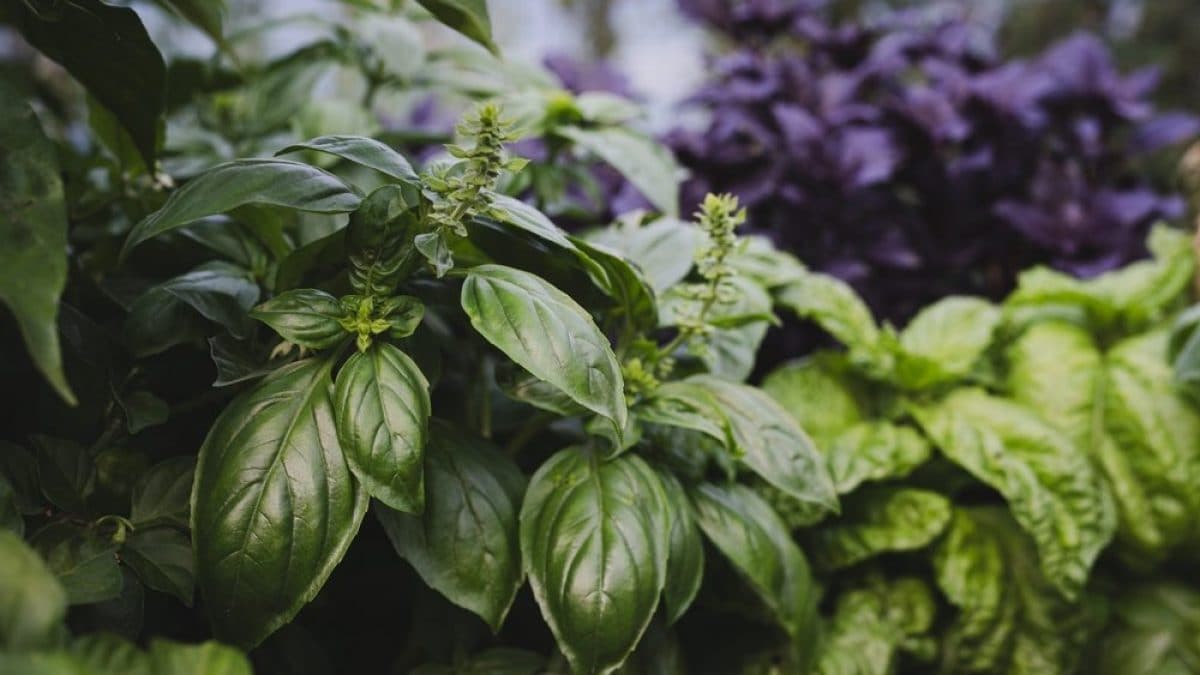
An intense aroma, a bright green color, and a fresh, aromatic flavor reminiscent of summer, its season: basil is more than just an aromatic plant; it's a true symbol of Mediterranean culture. It's also widely used and widespread in Asian and Indian traditions. An annual herbaceous plant belonging to the Labiatae family, basil has been known since ancient times: it's no coincidence that its name derives from the Greek basilikum, literally "royal plant," an etymology that speaks to this plant's ancient fame.
Its fame is certainly due to its culinary uses—it can be used to flavor and season, but also as a stand-alone ingredient in savory and even sweet recipes—but also to its many beneficial properties. A natural antibacterial and anti-inflammatory, basil was considered a symbol of good luck and hospitality by the ancient Egyptians, but it was also attributed with properties related to memory and concentration: it is said that, in the library of Alexandria in Egypt, it was customary to place basil plants on the desks to aid scholars' concentration.

Fragrant, versatile, and easy to grow even indoors, basil grows year-round, though it favors summer. There are over 50 different varieties (from the most famous Genoese basil to the refreshing Greek basil, including the Neapolitan giant). In short, it's one of those foods that, whether fresh or dried, you should always have at home: let's discover its properties, benefits, many culinary uses, and the few contraindications to watch out for.
Basil's Properties and Benefits
Just looking at basil's nutritional profile is enough to understand the breadth of its properties. First of all, it's a very low-calorie plant —5 fresh basil leaves, equivalent to about 2.5 g, provide just one calorie—but it also has strong diuretic and purifying properties, as it's over 90% water. An excellent source of vitamin C and extremely rich in minerals, particularly copper, manganese, potassium, calcium, and magnesium, basil also contains a good amount of folate, flavonoids, and beta-carotene, which provide an antioxidant effect and provide good levels of vitamin K and vitamin B. Basil's nutritional profile contains little protein and fiber, while its sugar and carbohydrate levels are almost completely negligible. How does all this translate into benefits for the body? Here are all the ways basil can support your body.

1. Aids Digestion
Basil is a great ally in regulating and stimulating proper digestion because it stimulates the production of gastric juices, thus facilitating the digestive process. Taken particularly as an infusion or herbal tea, it is an excellent natural digestive aid, also useful for abdominal bloating, intestinal cramps, and nausea thanks to the presence of eugenol, a substance that relaxes intestinal smooth muscle (but should be used sparingly as it is potentially toxic in very large quantities).
2. Weight Management Support
Basil infusions and herbal teas are very useful for low-calorie and weight-loss diets because the plant, primarily composed of water, has a powerful diuretic effect, helping to stimulate the loss of excess fluids and, consequently, eliminate accumulated toxins from the body. Furthermore, when used as a food, it is very useful because it stimulates a feeling of satiety and can reduce food cravings related to stress and anxiety, which affect cortisol and blood sugar levels.
3. Antioxidant Effect
Thanks to the presence of polyphenols and flavonoids, but also beta-carotene and vitamins, basil has an excellent antioxidant effect as demonstrated by various scientific studies on the subject, and therefore a valid support in counteracting free radicals, in fighting chronic inflammation at the cellular level and in protecting tissues, slowing down cellular aging responsible for degenerative diseases.
4. Anti-Inflammatory Properties
The anti-inflammatory properties of basil translate above all into muscle support, because thanks to compounds such as eugenol and linalool they benefit especially in cases of pain, tension, muscle spasms and inflammation post-exercise or due to rheumatism (in this case essential oils are used for massages).
5. Antibacterial and Antiviral Effect
Basil's essential oils exhibit antimicrobial activity against various bacteria and fungi, including those responsible for foodborne and skin infections. This, combined with its richness in vitamins, especially vitamin C, makes basil also useful for protecting and strengthening the immune system.
6. Heart's Ally
Basil is very good for the heart because it is rich in magnesium, potassium, and antioxidants (such as eugenol and flavonoids), which help relax blood vessels, lower blood pressure, reduce bad cholesterol (LDL), and fight inflammation, thus supporting the overall functionality of the entire cardiovascular system.
7. Sight Ally
Basil contains good amounts of vitamin A and beta-carotene (a pigment that the body converts into vitamin A), two essential components for eye health and retinal protection. Furthermore, the antioxidant substances already mentioned (flavonoids, vitamin C) fight oxidative damage to the optic nerve and the eye in general, helping maintain visual function and prevent problems such as cataracts and cellular aging.
8. Help Control Blood Sugar
Consumed regularly, basil helps keep blood sugar levels under control: it naturally has a low glycemic index, but its antioxidant properties contribute to the management of oxidative stress related to diabetes and to improving the insulin response, helping to normalize metabolic parameters.
9. Relaxing Effect
Basil essential oil is a powerful relaxant and emollient, particularly useful for migraines or insomnia. Furthermore, basil is also considered an "adaptogenic" plant, meaning it can help the body cope with psychophysical stress and relieve anxiety and nervousness. This tonic effect on the nervous system also benefits brain function, which is stimulated, especially in terms of memory and concentration.
10. Support for Skin and Hair
The presence of vitamins, minerals, and antioxidants makes basil a great ally from a cosmetic standpoint, particularly for skin and hair health. On the skin, both through regular consumption and as a cosmetic product, it helps purify it, soothe irritation, and combat premature aging, making it smoother and more radiant. On hair, however, it has a stimulating and strengthening effect: consuming basil and using cosmetic products containing it helps strengthen follicles, promotes hair growth, purifies the scalp (also helping combat dandruff), and adds shine. If you use basil essential oil, whether on your skin or hair, remember to never use it pure but always dilute it in a carrier oil.
Basil's Contraindications
Basil is generally a safe product, but in some cases it may cause discomfort, especially after prolonged use and in high doses. Be especially careful if you suffer from gastritis or irritable bowel syndrome, as raw basil may be indigestible and aggravate the symptoms of these conditions. In this case, it's best to wash it thoroughly and cook it, even for 5 minutes, to make it more digestible.

Let's dispel a myth related to the possible toxicity of cooked basil: the rumor has spread that it can be harmful to your health, toxic, or even poisonous, but in reality, this is incorrect. It's true that estragole is found inside the leaves, a substance that, in high concentrations and with prolonged exposure, could potentially have negative health effects. However, to reach potentially harmful levels, you would have to consume industrial quantities of cooked basil every day for years. In cooking, however, such small quantities are used that you run no risk whatsoever.
Basil is not known to cause allergic reactions, which are extremely rare. However, it may interfere with certain medications, particularly anticoagulants, due to its high vitamin K content, which can interfere with the treatment. In these cases, it's advisable to consult your doctor. Finally, be careful during pregnancy: basil is safe to consume as an ingredient or condiment, but the use of basil-based essential oil and supplements is not recommended, especially in the first few months, due to its potential uterine stimulation.
How to Use Basil in The Kitchen
Basil is famous for its unmistakable, fresh yet very strong flavor, yet despite this it is an extremely versatile food in the kitchen, which can be dried, cooked, fried, blended and prepared in countless different ways, combined with the most disparate foods so much so that it even works well in desserts. The most common use of basil leaves is as a finishing touch to recipes, the addition of a curd that makes even a simple spaghetti with fresh tomato or a Margherita pizza a true experience of taste and flavor: used in this way it goes well with practically everything, for example you can use it to dress typical summer salads such as Caprese and fruit salads, especially when combined with strawberries and pineapple.

The fragrant basil leaves, however, can easily become the star of many dishes if used as a true ingredient. Pesto alla Genovese, the star condiment of Ligurian cuisine and probably the most famous basil-based recipe, needs no introduction, but you can use it in the most creative ways, for example by making a fragrant basil ice cream or a flavorful basil liqueur. The plant can also be dried and ground to create a tasty powder to flavor slow-cooked dishes such as sauces, soups, and stews, adding it towards the end or during cooking to release its intense aroma or to give a boost of flavor to fish and meat, bruschetta, and dough.

With fresh or dried leaves you can prepare a warm and beneficial infusion to use as a digestive or as a relaxant, for example before going to bed, while with fresh leaves you can create aromatic ice cubes: simply blend them with a little oil and place the mixture in ice cube trays, so if necessary you can dissolve a cube in the sauce or in a vegetable and legume soup to flavor it.
;Resize,width=767;)
