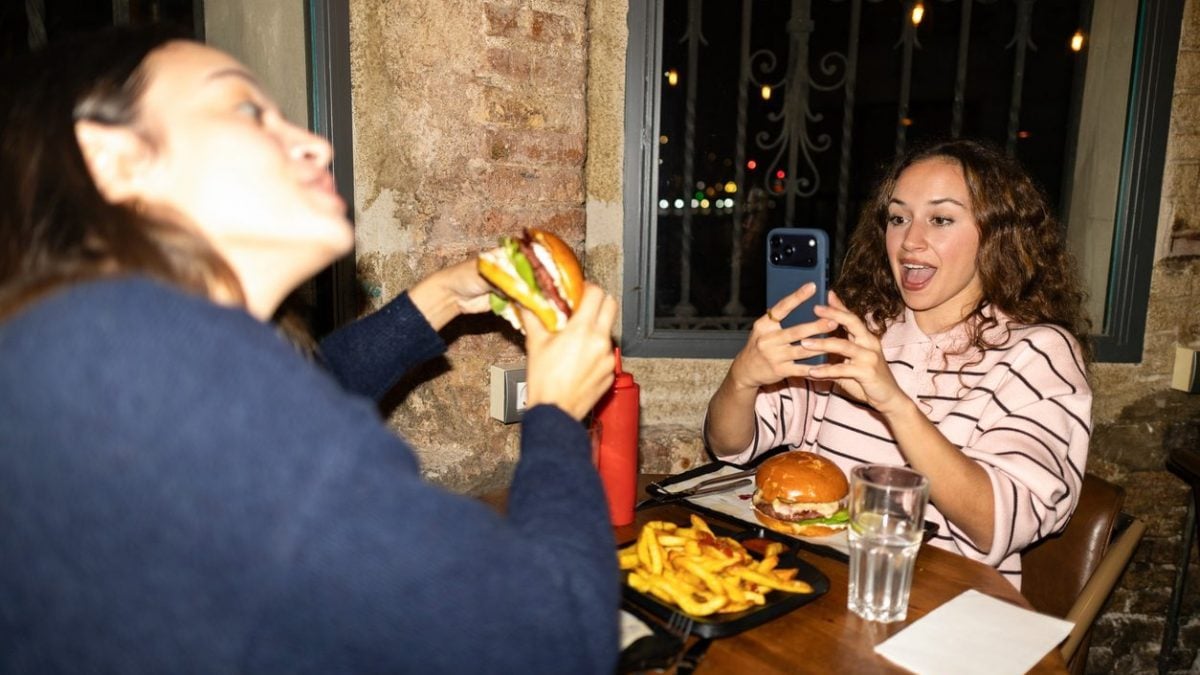
If the food industry has grown dramatically in recent years and reached uncharted heights, much of the credit goes to social networks. In a world where scrolling through reels has become a way to combat boredom (and perhaps even a form of self-inflicted slavery), countless culinary trends are appearing on these popular and controversial verticals. For some time now, everything related to the vast semantic field of gastronomy has no longer been limited to what happens in the kitchen or on the plate. Today, chefs, producers, and ordinary people are in constant contact thanks to social media platforms.
A reel can revitalize a forgotten sauce, transforming it into a trending ingredient, just as a hashtag can highlight a popular eating habit. In this article, we'll discuss the new food trends of 2026, and we'll do so with the help of the BBC, which has identified six potential new dining trends in an article.
What Will The New Eating Habits of 2026 Be?
Before delving into specific trends, it's worth remembering that these trends aren't the result of laboratory studies or predictions. The popular British broadcaster explained that all six stem from research by users who are trying to reinterpret food in their everyday lives: from dishes shared on social media to discussions about health and sustainability that transcend platforms and cultures. This new ecosystem makes food not only more creative, but also closer to those who experience it every day.
1. "Fricy" Flavors

Fricy is a new word added to the vast gastronomic vocabulary, born from a trend that has conquered social media. It's the fusion of fruity and spicy, meaning a food with a lively, fruity, and even spicy flavor, a bit like swicy. According to the BBC, this trend is set to grow even more among restaurant products and even in cocktails. Concrete examples come from countries like Mexico, where a love for lime and chili salt paired with fruit has blossomed, or from Thai salads, super spicy and rich in fruity notes. The numbers also confirm this trend: among specialized online retailers, products like Mexican chamoy —a sauce made with pickled fruit, lime, and chili—have seen a 64% increase in three months. The same goes for Japanese yuzu koshō —fermented yuzu and hot spices—which has seen a 28% sales increase.
The drinks world is also heating up: "Spour" cocktails (spicy + sour) are appearing on bar menus and in ready-to-drink cans, with fresh and contemporary interpretations of classic spicy margaritas. For those who want to bring frisky flavors into their kitchen, the BBC recommends focusing on fruity chili peppers, such as Peruvian ají amarillo or Caribbean scotch bonnets, and drawing inspiration from the traditions that combine fruit and spice, typical of many parts of Latin America and Southeast Asia.
2. Snackification, When Portions Become Tiny

2025 was a year marked by "Ozempic menus, " a trend originating in the US that involves the use of GLP-1 drugs (Ozempic, Wegovy, and Mounjaro) that drastically reduce the feeling of hunger. Designed for people who want to lose weight very quickly, it is estimated that 10% of Americans use it, with a percentage that could reach 35%. One of the novelties of this particular approach was to "miniaturize the plate," meaning drastically reducing portions for a more mindful relationship with food. This trend will continue in 2026, as reiterated by Jen Creevy, food & drink director at WGSN. "Smaller versions of dishes, drinks, and desserts are gaining momentum for two very specific reasons," she told the BBC. "On the one hand, their playful nature, and on the other, a focus on portion sizes based on the spread of weight-control drugs." Snackification is emerging as a truly structural phenomenon, based on smaller yet meticulously crafted formats, capable of combining functionality and gratification. Food is no longer seen as a gigantic portion and is fragmented into numerous units designed to be chosen, combined, and adapted to different times of the day.
3. Functional Food and Drinks

There's no doubt that 2026 will see continued strong interest in healthy foods, such as protein- and fiber-rich foods, which are also highly sought after on websites, even in the form of bars and snacks. This year, food will no longer serve "just" to fill us up, but to make us feel better. The idea should be to add "good" ingredients to daily meals. This approach can be applied not only to what's on the plate, but also in the glass/cup, where wellness drinks have attracted considerable attention. Mushroom coffee, probiotic sodas, electrolyte drinks, natural energy drinks, and matcha are increasingly dominant. Now, attention has shifted to new viral trends, a sign of an increasingly curious and attentive public about what they drink.
4. The "Hazelnut" Version of Butter

In 2026, alongside wellness trends, according to the BBC, pure pleasure will return to the forefront with the rediscovery of hazelnut or browned butter. The beurre noisette technique, also relaunched by social media and chef Thomas Straker, brings a simple ingredient back to the forefront, yet rich in toasted and nutty aromas. It is a preparation of French origin based on melted and lightly browned butter. It is made by melting butter over low heat until the water evaporates and the milk solids toast, taking on an amber color and releasing a scent reminiscent of hazelnut, hence the name. The result is a more intense and aromatic sauce, used to add depth to simple and refined dishes. According to Waitrose (a British supermarket brand), in its home country it is considered "the new pistachio" of contemporary cuisine.
5. Jacket Potatoes

2026 will also be the year of the jacket potato, which, according to the BBC, will make a comeback, thanks to its "Instagrammability" rating of 10 out of 10, as well as the fact that potatoes are the ultimate comfort food. With the widespread use of air fryers and the push for social media, 94% of adults in the UK say they eat a jacket potato at least once a week. It's a potato scored, stuffed with oil, a sprig of rosemary, ham or bacon, and cheese, and then cooked in the oven or deep-fryer for several minutes. Creators and celebrities like Kim Kardashian are recently amplifying its success, transforming it from a household dish into a trend.
6. The Return of The Cabbage

Social media can also do this: bring back into the spotlight certain ingredients once considered humble or unattractive. This is the case with cabbage, which, according to the BBC, is emerging as an emblem of versatility and authenticity, capable of transcending diverse techniques and cultures. We find it at the forefront of modern fermentations, soups, pastas, dumpling fillings, warm salads, and crispy side dishes, increasingly present even in fine dining. Its rediscovery speaks to a shift in perspective: a cuisine that values what is simple, seasonal, and sustainable, reinterpreting tradition with a contemporary sensibility and attention to flavor.
;Resize,width=767;)
