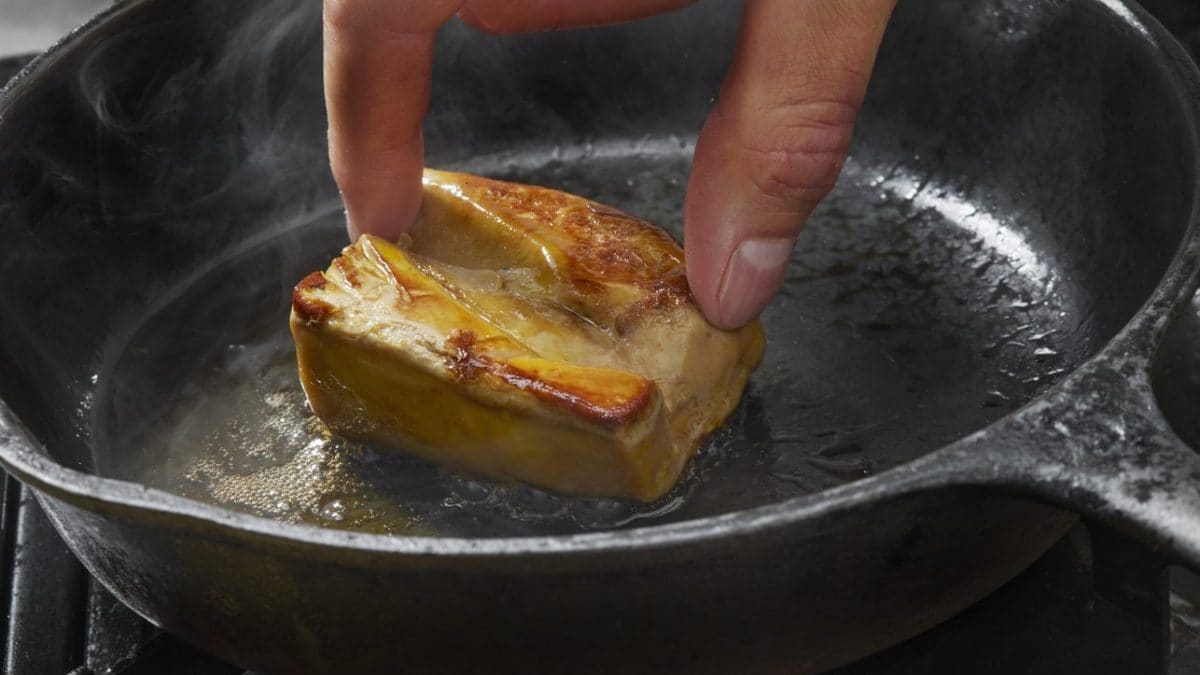
Brazil bans foie gras. The South American country makes animal rights history with President Luiz Inacio Lula da Silva signing Law 15,475 of July 23, 2026, a measure that bans not only the production but also the marketing of this controversial product and any other food obtained through force-feeding, the so-called gavage, throughout the country.
With the approval of this law, Brazil becomes the first Latin American country to ban both livestock farming and the product on the shelf with a federal law— a dual front that, as animal rights groups point out, no nation in the Western Hemisphere has previously implemented. Since the Brazilian supply chain is tiny, the trade ban effectively equates to an end to imports from France, the world's leading producer. The law will become effective 180 days after its publication in the Official Journal on July 24, or at the end of January 2027.
A Battle That Lasted Six Years
The association's goal was clear: to raise awareness among legislators and citizens about a farming practice long considered incompatible with modern animal welfare standards. Bill 90/2020, authored by Senator Eduardo Girão, passed the Senate Environment Committee in 2022 and was definitively rejected by the Chamber of Deputies' Justice Committee on April 28, 2026, without even passing through the floor of the House. Brazilian diplomats described the vote as unanimous, leaving the president no room to accommodate French pressure to veto it.
What is Gavage and Why is It Controversial?
To understand the significance of this news, we need to take a step back and look at how this French specialty was created. Foie gras (literally "fatty liver") is obtained from the livers of ducks and geese subjected to a process called gavage, which is forced and unnatural feeding.
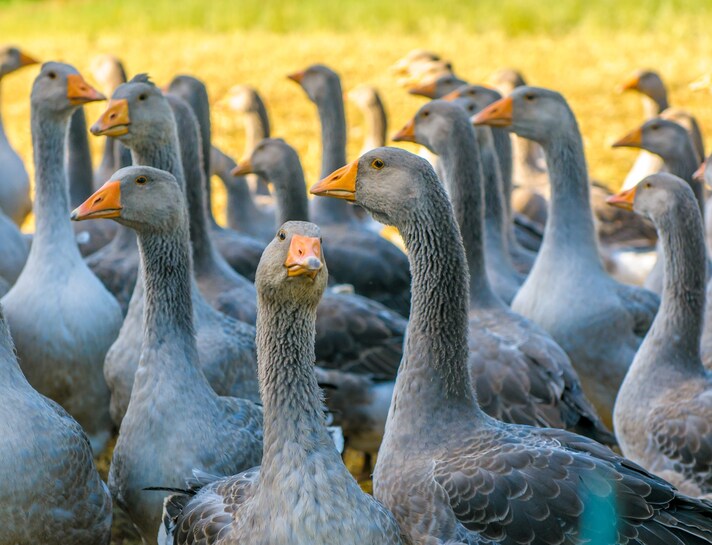
The birds are fed at least twice a day (geese up to four times a day) a corn-and-fat-based feed, administered through a twenty-thirty-centimeter -long tube inserted directly into the throat. This is intended to induce hepatic steatosis, or a pathological accumulation of fat in the liver. This causes the organ to swell dramatically, taking on the buttery consistency and rich flavor so prized in haute cuisine.
What's Happening in The Rest of The World
Brazil's decision, reported by Reuters and echoed by the world's press, rekindles a debate that is increasingly divided among public opinion.
In France, foie gras is protected by law as part of the national cultural and gastronomic heritage, and it's no surprise that Lula's green light has angered Paris, where French producers have openly spoken of a violation of the EU-Mercosur trade agreement, the free trade agreement between the EU and Argentina, Brazil, Paraguay, and Uruguay. In the rest of Europe, however, gavage is illegal in many countries: it remains permitted only in France, Hungary, Bulgaria, Spain, and, in Belgium, only in Wallonia. In contrast, Italy, Germany, and the United Kingdom have banned it for decades on grounds of cruelty, while continuing to allow the import and sale of the finished product.
India and China have also been blocking its entry so far , but for opposite reasons: Delhi banned imports in 2014 due to animal rights concerns, while Beijing keeps them out because it produces around 30% of the world's foie gras. Brazil is on another level: it hasn't introduced a double ban (India got there first), but it is the only country to have included it in a federal law that affects the processing method, not the product.
;Resize,width=767;)
