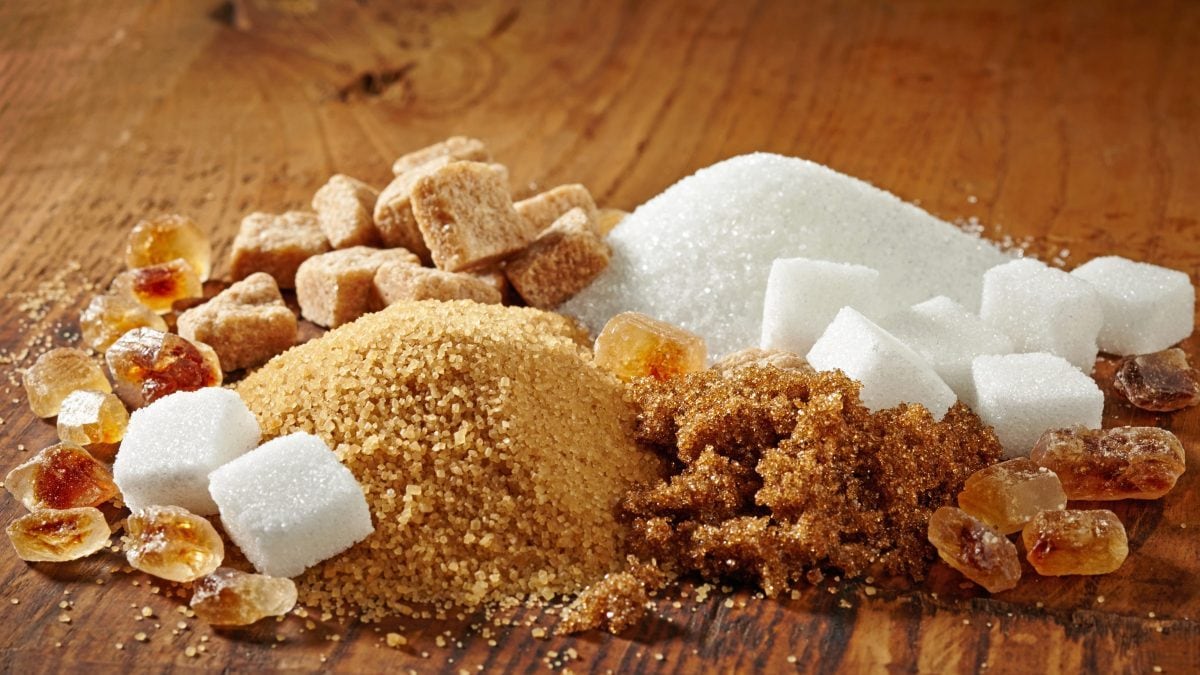
Among the many debates raging in the world of gastronomy, there's a particularly heated one, especially in cafés over coffee: is brown sugar or white sugar better? There are arguments on both sides, but generally, the consensus tends to consider brown sugar healthier than raw sugar. Nothing could be more wrong; it's simply a myth: in terms of composition and calories, the two types of sugar are identical. So where does this belief come from, and what really differentiates brown sugar from white sugar? Here are all the answers to your questions and a few misconceptions to put aside.
The Differences Between Brown Sugar and White Sugar
As we've already mentioned, chemically speaking, cane sugar and white sugar are identical because they're both composed of the same molecule, sucrose, and both are products obtained through industrial processing. Let's dispel the biggest myth: the idea that cane sugar is more dietetic because it's less refined. Nothing could be further from the truth: nutritionally speaking, there's no difference; both products contain 4 kcal per gram. The differences between the two types of sugar lie in other characteristics, particularly their origin, color, flavor, commercial types, and how they're used in cooking.
Origin
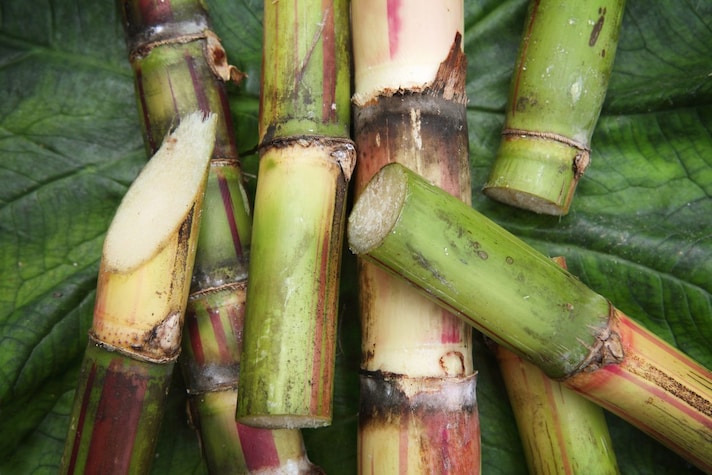
The first difference concerns the origin of the two products, that is, the plants from which they are extracted: cane sugar, just as the name suggests, is extracted only from sugar cane, while to obtain white sugar both sugar cane and sugar beet are used.
Processing (And Color)
Both plants yield a mixture of sucrose and molasses, but the two sugars then undergo different processing, and this is precisely their main difference, also responsible for their distinctive colors. White sugar, whether extracted from beets or sugarcane, is refined to remove all the molasses, which is why it is ultimately white. In the case of beet molasses, this is mandatory because it doesn't have a pleasant flavor; in the case of cane molasses, it's simply to obtain a more neutral-flavored product. Cane sugar, on the other hand, retains the molasses, and it is precisely this element that gives it its characteristic yellow-brown color; the color can be more or less intense depending on the amount of molasses left in the product.
Composition
Aside from sucrose, which is present in equal amounts in both products, the presence of molasses in brown sugar causes a slight compositional difference: molasses naturally contains some minerals, especially potassium and vitamins, albeit in very small quantities. Does this make brown sugar nutritionally superior? Let's dispel another myth: absolutely not! The amount of sugar you consume daily is very small, and therefore these "extra" substances contained in brown sugar are completely negligible: to meet your body's requirement for the minerals present in molasses, you would need to eat about 2 kg of sugar per day.
Taste
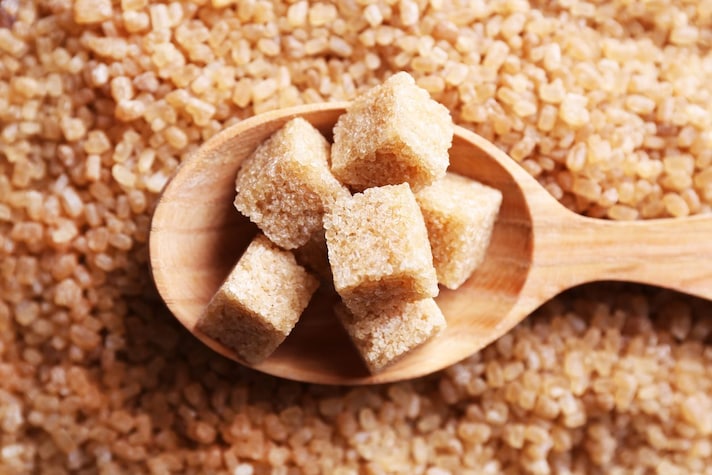
Some sugars contain molasses, while others do not: clearly, this difference gives the two products very different flavors. White sugar, which is more processed and refined and, above all, free of molasses, has a sweet and neutral flavor, while the presence of molasses gives brown sugar a spicy, caramelized flavor with a slight licorice aftertaste.
Types
White sugar is available on the market in only one type, the one you're used to consuming, while cane sugar comes in different types depending on the type of processing it undergoes. The main types are:
- Raw or crystalline cane sugar is the common brownish cane sugar found in packets or cubes. It can also be found "white," meaning bleached but with the same flavor; "demerara," typical of Mauritius and with a higher concentration of molasses that makes it more intense; "liquid," mixed with water and used primarily for granitas, cocktails, and syrups; and "flavored," meaning mixed with coffee, vanilla, cocoa powder, or cinnamon.
- Whole cane sugar, which is unrefined and dried immediately after extraction, has a grainier, moister texture. It contains less sucrose and more mineral salts, making it the best substitute for granulated sugar. It comes in two varieties: "panela," which has a delicate flavor and a floury consistency because it is grated after drying; and "muscavo," which is very grainy and excellent for cooking because it dissolves easily.
Use
The difference in flavor and composition also leads to a difference in how best to use the two sugars beyond sweetening, for which both are effective. Brown sugar absorbs more water than white sugar, which is why it's better suited for keeping sweet baked goods moist and soft. Furthermore, due to its distinctive flavor, it lends itself perfectly to all those recipes that require a sweet and sour flavor, such as sweet and sour pork typical of Chinese cuisine. White sugar, less absorbent, is ideal for dry preparations and for all those recipes where pure sweetness and a light color are preferable. It's also more soluble than brown sugar, which is why it's usually preferred for preparations that require a uniform and smooth consistency.
Is Brown Sugar Better Than White Sugar?
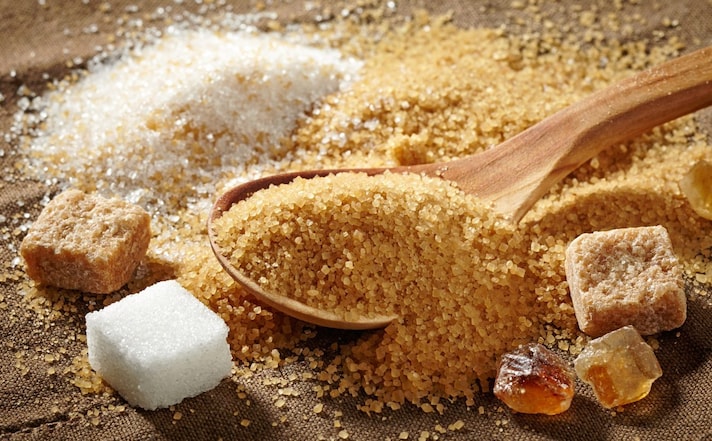
Given this overview of the two types of sugar, it's clear that no one product is better or healthier than the other: choosing one over the other depends solely on your personal taste and, if we're talking about using them as an ingredient, the type of recipe you're cooking. The issue, rather, is the need to reduce excessive use of any type of sugar to avoid negative health effects. Replacing it is possible and very simple; you can do so with honey, coconut sugar, fructose, maple syrup, and many other foods.
;Resize,width=767;)
