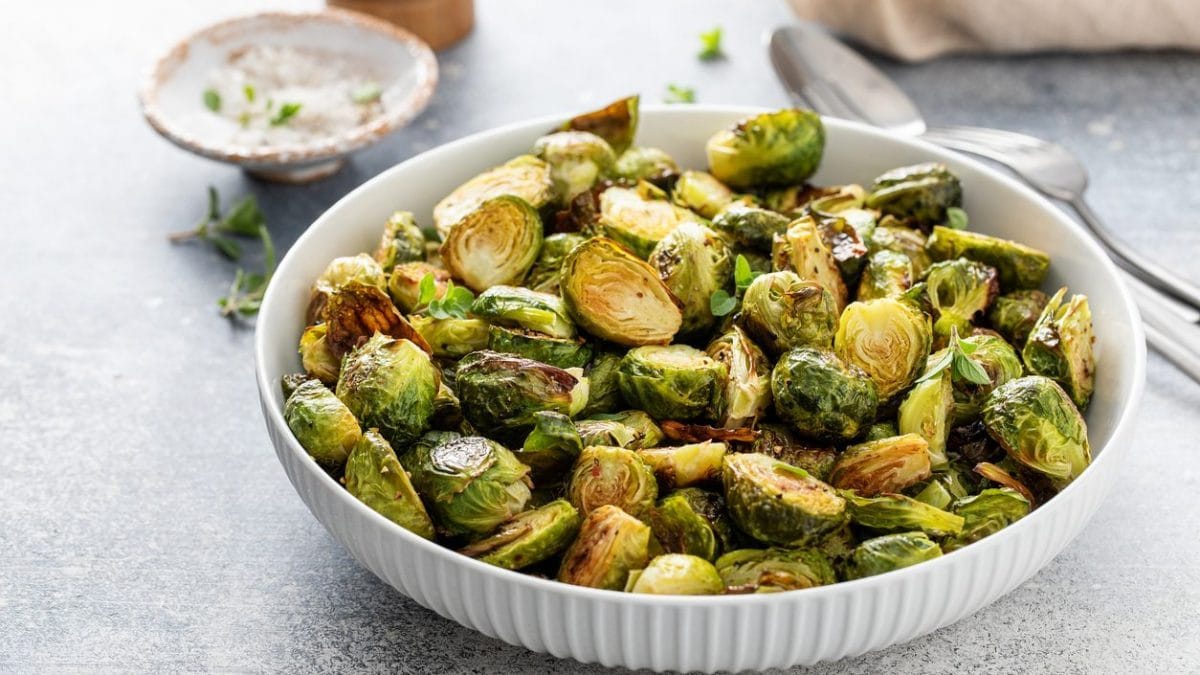
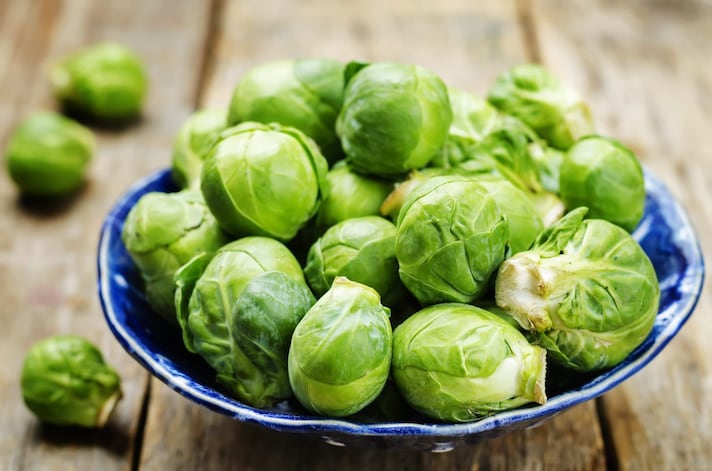
Loved by those who appreciate their bold flavor and hated by those who only remember their sad boiled versions, Brussels sprouts are a veritable powerhouse of vitamins, minerals, and fiber, perfect for cooking. They are the edible shoots of Brassica oleracea, a plant belonging to the large cruciferous family, the same as broccoli, cauliflower, and cabbage.
Despite their misleading name, Brussels sprouts appear to originate in the Mediterranean region and only arrived in Northern Europe in the 17th century thanks to Roman legionaries. Here, thanks to their ability to adapt effectively to cold climates, they earned a place of honor on traditional tables and menus.
Rich in water, fiber, and valuable micronutrients, they are nutritionally significant vegetables, capable of finding their rightful place in a varied and balanced diet. We spoke with our trusted expert, Dr. Simone Gabrielli, who explained the benefits and properties of Brussels sprouts, as well as how to best enjoy them—to appreciate their distinctive flavor—and avoid unpleasant intestinal discomfort.
Brussels Sprouts' Properties
Despite their small size, Brussels sprouts are packed with nutrients. Great for weight loss, they're low in calories —about 47 calories per 100 grams—and made up mostly of water, about 85 percent. "They provide a good amount of fiber, which helps with bowel regularity and a good feeling of satiety," Gabrielli tells us.
The rest is a formidable mix of vitamins, especially vitamin C, important for maintaining a healthy immune system; vitamin K, involved in blood clotting and bone health; and vitamin A, essential for healthy skin and eyesight. Equally exceptional is the mineral content, such as potassium, magnesium, and calcium.
They also contain folate and bioactive compounds typical of cruciferous vegetables, such as glucosinolates, substances naturally present in these vegetables that, once digested, are transformed into compounds involved in the body's defense mechanisms. "They are not ‘curative' or ‘miracle' substances, as is often claimed on social media, but they are part of that complex of components that make regular vegetable consumption associated with health benefits as part of a balanced diet," the expert points out.
Brussels Sprouts' Benefits
With their exceptional nutritional profile, Brussels sprouts fit well into a diet aimed at preventing chronic diseases. "As with other cruciferous vegetables, the association between regular consumption and reduced risk of certain diseases is linked to the overall dietary pattern, not to a single ‘miracle' food," Gabrielli is keen to point out. But let's take a closer look at their indisputable benefits.
1. Friends of The Line
Thanks to their low energy content and high satiating power, Brussels sprouts can be useful in weight loss or weight management programs, without sacrificing meal volume. When expertly cooked and combined, they can also add flavor and satisfaction to the table.
2. Gut Health
The richness of water and fiber promotes regular digestion and improves intestinal transit, countering constipation; the presence of plant fibers also contributes to the well-being of the microbiota and blood sugar control.
Brussels sprouts contain both soluble and insoluble fiber, some of which can be fermented by intestinal bacteria. "During this process, the bacteria use the fiber as nourishment and produce metabolites, including short-chain fatty acids, substances involved in maintaining the health of the intestinal mucosa and the balance of the microbiota," explains Gabrielli.
This mechanism is why foods like Brussels sprouts are said to have a prebiotic effect: not because they are “good for the gut” in a generic way, but because they provide nourishment to intestinal bacteria, promoting a more balanced composition of the microbiota.
3. Support the Immune System
The good vitamin content, and in particular vitamin C, helps strengthen the natural defenses, especially during the colder months, when these vegetables are at the peak of their seasonality.
4. Antioxidant and Protective Action
Thanks to vitamin C, vitamin K, and antioxidant compounds, Brussels sprouts help counteract oxidative stress, protecting cells from premature aging. They also contain glucosinates, sulfur compounds responsible for the typical aroma and many protective properties. These substances, naturally present in all cruciferous vegetables, appear to protect against some forms of cancer.
5. Allies of The Heart
The high content of potassium, a mineral essential for the correct performance of the main functions of the body, helps regulate blood pressure and reduce cholesterol levels.
6. Healthy Bones, Skin and Eyesight
Vitamin K works synergistically with calcium, ensuring its incorporation into bones and strengthening their density. The vitamin A content and the valuable antioxidants lutein and zeaxanthin protect eyesight and contribute to the maintenance of healthy, elastic, and radiant skin, protecting it from free radical damage and aging.
Contraindications and Possible Side Effects
Brussels sprouts are rich in fermentable fiber —vegetable components that, not digested by the stomach, travel directly to the colon and are fermented by the intestinal microbiota. This can cause bloating, gas, and intestinal discomfort in individuals who are particularly sensitive or suffer from irritable bowel syndrome or dysbiosis. "Especially if consumed in large quantities or undercooked. Tolerance is individual and should be evaluated on a case-by-case basis," Gabrielli specifies.
If you are not used to a high intake of fermentable fiber or you suffer from one of these intestinal pathologies, it would be preferable to consume small quantities, even increasing gradually, and carefully evaluate the cooking method, preferring the simplest and most delicate ones.
A helpful approach is to start with modest portions and prefer steaming, baking, or pan-frying, making sure they aren't left too al dente. Avoid boiling them in plenty of water: in addition to losing most of the vitamins and minerals, it also makes them more difficult to digest.
"Due to the vitamin K content, those taking anticoagulant drugs should maintain a consistent intake and discuss it with their doctor, avoiding sudden changes," concludes the nutritionist.

Uses in Cooking
One of the reasons Brussels sprouts are so disliked is often due to improper cooking. Boiling them for too long releases the sulfur they contain, accentuating their pungent odor and bitter taste. So what to do? It's better to opt for alternative cooking methods, such as baking them with extra virgin olive oil, salt, and spices like paprika, cumin, turmeric, or fennel seeds: these have carminative properties, but they also improve digestibility and tolerability.
You can sauté them in a pan with a drizzle of oil and garlic, adding herbs to taste, and adding a splash of balsamic vinegar, tamari sauce, or orange juice towards the end: its sweetness will mitigate the typical aftertaste. They can also be steamed, a cooking method that best preserves their nutritional properties, or blanched briefly in water and then quickly sautéed in a pan, oven, or air fryer.
Pairing them with savory ingredients, such as small amounts of aged cheeses, dried fruit, or cured meats like speck or prosciutto, helps balance their flavor. However, they can also be paired with any meat, fish, or egg-based dish, creating a nutritious and balanced dish, complemented by a carbohydrate source of your choice. Finally, those who tolerate them can also eat them raw, finely sliced in a salad and dressed with a drizzle of oil, apple cider vinegar, and salt.
Versatile and with a complex, nuanced flavor, Brussels sprouts can also be the star of risottos, pasta dishes, savory pies, frittatas, and original appetizers: dipped in a quick batter and then fried in boiling oil, they transform into small bites, crispy on the outside and tender to the bite, to be served at aperitif time along with a yogurt dressing for dipping; or, for the most unrepentant gourmands, you can wrap them in bacon, brush them with maple syrup, sprinkle them with brown sugar, and finally bake them in the oven until golden brown: fragrant and with a pleasantly caramelized flavor, they will make even the most bitter enemies of these surprising vegetables change their minds.
;Resize,width=767;)
