
Plump, sweet, and truly irresistible, figs are among the most beloved fruits of late summer, enjoyed plain or used in sweet and savory recipes that reveal their extraordinary versatility. A treasure trove of nutrients, they are an excellent source of minerals, especially potassium, calcium, and phosphorus—essential for combating summer tiredness and fatigue—and vitamins, particularly vitamin A in the form of beta-carotene, vitamin C, and B vitamins. Furthermore, they boast an abundant presence of antioxidants and polyphenols, which help counteract the action of free radicals.
However, precisely because of their simple sugar content, they are viewed with suspicion, or even banned from the table, by those suffering from diabetes or high blood sugar. Spoiler: these magnificent fruits can certainly be consumed by these groups of people too, as long as they are included in moderation and as part of a varied and balanced diet and a healthy lifestyle.
But how can you enjoy them safely? With the help of our trusted expert, biologist and nutritionist Simone Gabrielli, we'll answer all the most common questions: whether these fruits actually raise blood sugar levels and whether there are strategies to limit any spikes, what the recommended daily portion is, and whether it's better to choose fresh or dried varieties.

Figs' Properties and Benefits
Exceptionally sweet and fleshy, figs are excellent allies for your well-being. Compared to other fruits, fresh figs have a significantly higher simple sugar content, and 100 grams provide about 60 calories, a calorie content that is certainly not very high. Furthermore, they are an excellent source of fiber (especially pectin), which is useful for constipation, and provide minerals such as potassium, phosphorus, and calcium, vitamins A, C, and B complex, antioxidants, and polyphenols that promote cardiovascular health and protect the body from cellular aging.
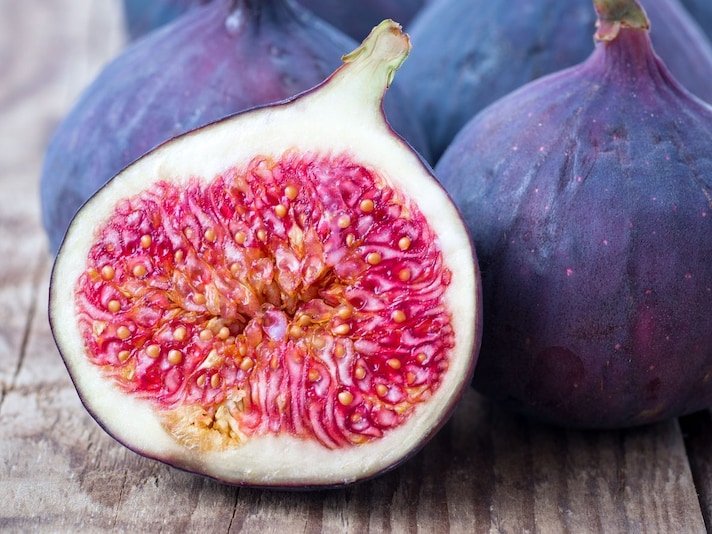
From a botanical perspective, the fig—a plant called Ficus carica, belonging to the Moraceae family— holds a fascinating secret: what we consume and commonly call a fruit isn't one at all. It is, instead, a syconium, an upside-down, fleshy, pear-shaped inflorescence containing hundreds of tiny staminate and pistillate flowers. The true fruits of the plant are, in reality, the numerous microscopic grains enclosed in the pulp, called achenes. The sweet and succulent pulp that surrounds them constitutes the edible part.
"We can therefore say that, from a scientific point of view, the fig is a complex and delicious structure that protects and encloses the true organic fruits of the plant," explains Gabrielli.
Despite their distinctly sweet flavor, fresh figs provide numerous benefits to the body thanks to the quality of their molecules:
- intestinal regularity and microbiota health; the excellent presence of fiber, particularly soluble fibers like pectin, stimulates intestinal peristalsis and acts as a prebiotic, nourishing beneficial gut bacteria and counteracting constipation;
- antioxidant and anti-inflammatory action: the peel and pulp, especially in the dark and purple varieties, are rich in polyphenols and anthocyanins, molecules studied for their ability to counteract cellular oxidative stress and protect the walls of blood vessels;
- Controlling blood pressure and fatigue: the abundance of potassium and magnesium helps regulate the body's water balance, supports muscle function and combats the exhaustion associated with the summer heat.
Those with high blood sugar or managing diabetes often hear that certain fruits should be completely banned from the table. Is this fake news or accurate information? "This is a false myth: those suffering from hyperglycemia should absolutely not give up fruits and vegetables just because some varieties are more sugary than others," the nutritionist immediately reassures.
The key to proper metabolic management lies not in punitive deprivation, but in comprehensively regulating one's diet, controlling portions, and consistently improving physical fitness through lifestyle and exercise. Extraordinary fruits like figs can, therefore, find a place in our daily diet, provided we understand them and consume them wisely.
Do Figs Raise Blood Sugar Levels? Recommended Amounts
When evaluating the impact of figs on blood sugar levels, a fundamental biochemical distinction must be made: the sugars naturally present in this fruit are not found in free form, unlike the sucrose added to commercial sweets or sugary drinks. In fresh figs, the sugars are enclosed within the cell walls of the pulp. This specific biological structure forces the digestive system to take a longer time to break down the sugars, significantly slowing the rate of glucose absorption into the bloodstream compared to free sugar, which enters the bloodstream immediately.
Once this mechanism is clarified, the answer to the question requires moving beyond the antiquated concept of "forbidden food." Figs contain simple sugars, but the actual impact on blood sugar levels ultimately depends on two factors: the portion consumed and the meal pairing. "Excessive, isolated consumption of figs can cause a glycemic spike. However, if included in a balanced diet, the metabolic impact is completely manageable," Gabrielli specifies.
The standard serving of fresh fruit established by the official CREA guidelines is approximately 150 grams, which in the case of fresh figs corresponds to about three medium-sized fruits. For those with high blood sugar levels, this serving provides approximately 21.3 grams of sugar: a frightening amount, but if consumed at the right time and in the right combinations—avoiding isolated peaks and combining it with fiber or healthy fats—it is completely manageable on a metabolic level, without unnecessary sacrifices.
Is It Better to Eat Dried or Fresh Figs?
For those who need to monitor their blood sugar, the choice should fall preferably on fresh figs: the reason lies in the dehydration process which profoundly transforms the structure and nutritional density of the food.
In dried figs, the water evaporates almost completely, resulting in a massive concentration of sugars and nutrients per gram, while fresh figs have a low caloric density thanks to their abundant water content. For someone with high blood sugar levels, consuming dried figs risks releasing a significant amount of simple sugars into the bloodstream, leaving them feeling barely satiated and carrying the real risk of difficult-to-manage blood sugar spikes.
How to Consume Figs Correctly
To avoid a sudden rise in blood sugar, is it best to eat them on an empty stomach, perhaps as a snack, or at the end of a meal?" There's no hard and fast rule, and eating figs alone as a snack isn't a mistake," Gabrielli points out. "However, for those who need to manage high blood sugar, there are food-combining strategies that can help manage the insulin response even more efficiently."
- At the end of a meal (ideal for blood sugar levels): Eating figs at the end of a lunch or dinner is an excellent strategy, provided the meal was complete and rich in fibrous vegetables and lean proteins. These elements create a real "filter" in the intestine, which adds to the fig's natural fiber and further slows the absorption of carbohydrates;
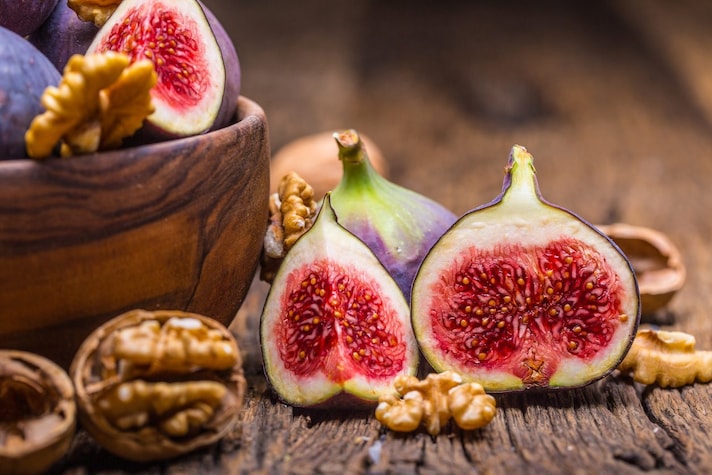
- As a stand-alone snack: If you crave a fig mid-morning or mid-afternoon, you can easily do so. To optimize the snack and prevent sugars from entering your bloodstream too quickly, a great trick is to pair them with a small amount of healthy fats and/or protein, such as a handful of almonds or walnuts. The presence of healthy fats in nuts slows stomach emptying, making the impact on blood sugar levels gentler and more gradual.
Can they be eaten with other sweets? "If you do, it's not a big deal, but the golden rule in blood sugar management concerns sweets, not figs. Sweets and added sugars should be limited and moderated in any situation, regardless of the presence of fruit," the expert reiterates.
Allowing yourself an occasional dessert is human and a part of life, but the real mistake is making desserts a daily habit. Their frequency should be adjusted based on your lifestyle and level of physical activity. Above all, you should never make the mistake of giving up a portion of fruit —like figs, a veritable treasure trove of fiber, micronutrients, and water—to replace it with a dessert rich in free sugars. "If you decide to have dessert, do so as an occasional exception, keeping fresh fruit as a constant and healthy presence in your diet," Gabrielli concludes.
;Resize,width=767;)
