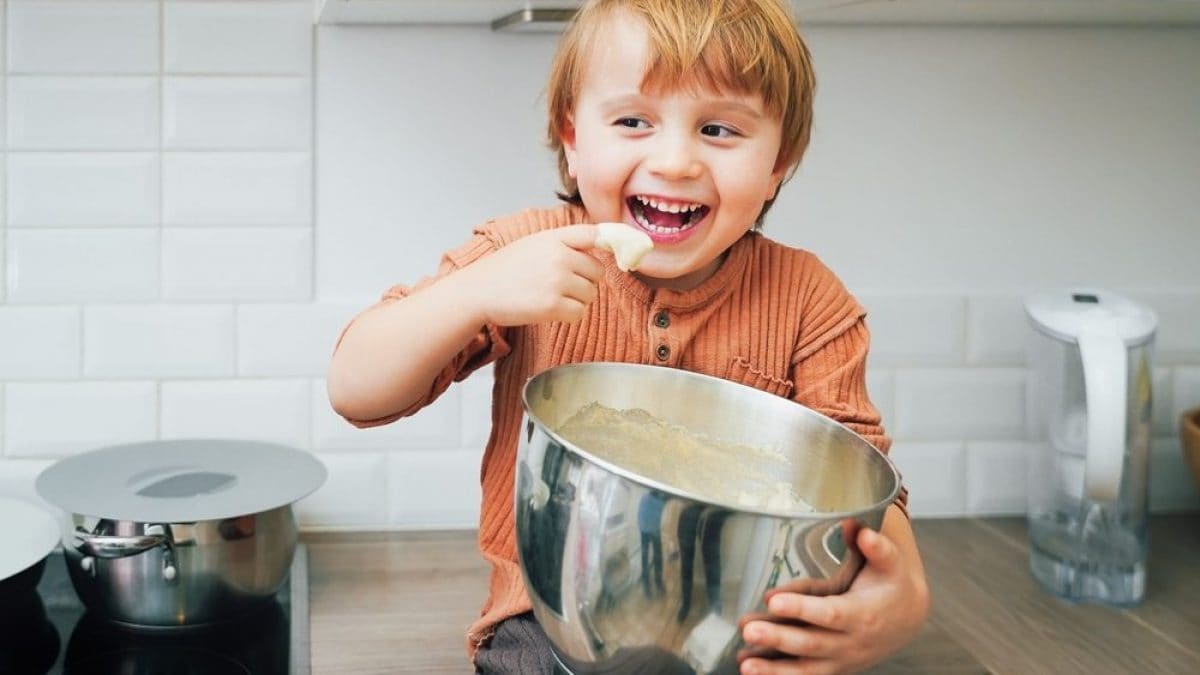
Making cookies, cakes, focaccia, and pizza at home is always fun, but let's face it: especially when you were little, the most fun was dipping your fingers into the bowl and tasting the raw dough, a little vice that everyone still indulges in even as adults. You've probably never stopped to ask yourself if it's a healthy habit, but in reality, it's something you'd be better off avoiding: eating raw dough can be potentially dangerous, especially because of two ingredients: egg and flour.
Both of these products, when uncooked, potentially carry two very dangerous bacteria that could lead to illnesses and even serious foodborne infections. But don't worry, there are some tricks and remedies you can use to minimize the risk, although in general, the advice is always to avoid tasting raw dough.
Flour and Escherichia Coli
Uncooked flour, eaten raw in dough, could be a vehicle for the transmission of a particularly harmful bacterium called Escherichia coli. In fact, there are several strains of this bacterium, some of which are present in moist foods like vegetables and meat, but are not dangerous to health.
There is a strain of Escherichia coli that not only prefers dry foods, but is activated precisely upon contact with water. This variant, if ingested, causes a series of reactions including diarrhea, vomiting, and abdominal cramps, but also more serious problems in cases of extreme reactions or the presence of pre-existing medical conditions.
There's even a scientific study that confirms all this: it was conducted by the US Centers for Disease Control and Prevention by epidemiologist Samuel J. Crowe and published in the New England Journal of Medicine. The investigation, which began after a small Escherichia coli outbreak that affected 56 people in America between the winter of 2015 and the summer of 2016, demonstrated how the cases were linked precisely to the consumption of raw dough due to a bacterium of this strain found in raw flour.
Furthermore, it has been shown that a very small amount of contaminated flour ingested raw was enough to cause food poisoning, while the bacteria mutate upon contact with the high temperatures of baking the dough. This is why the risks of eating unbaked dough containing flour should not be underestimated and it is best to avoid it.
Raw Eggs and The Risk of Salmonella
The issue of raw eggs is much more widespread and well-known, also because it affects other dishes that require undercooked eggs, such as carbonara. Raw eggs, in fact, are one of the main sources of salmonella, a bacterium that can cause very serious intestinal infections.
Salmonella is present in both the shell and the yolk of eggs, which is why consuming this product raw exposes you to a very high risk of infection, which can range from diarrhea, fever and abdominal cramps to very serious reactions requiring hospitalization.
Other Risks of Eating Raw Dough
Escherichia coli and salmonella are the most common risks of eating raw dough, but they're not the only ones. Uncooked foods can carry other bacteria and cause other serious illnesses such as gastroenteritis, listeriosis, and food poisoning, or intestinal parasite infections.
Rarer, but not impossible, is the allergic reaction that can be triggered by consuming raw dough: since the food components have not been cooked, they are much stronger and could trigger serious reactions, even anaphylactic shock.
Chemical contamination should also not be underestimated: raw ingredients could be contaminated by products used during the cultivation, processing, and transportation processes. Cooking doesn't completely eliminate these substances, but it certainly reduces their strength and makes the dough safer to eat.
What Should You Do If You Eat Raw Dough?
So, is eating raw dough absolutely forbidden? It's best to always avoid eating raw dough, but if you rarely do it—and if you've never had any problems since childhood—you should be fairly safe. If, after eating raw dough or other products, you experience reactions such as stomach upset, fever, vomiting, or diarrhea, contact your doctor immediately and explain the situation so they can intervene promptly and administer the most appropriate treatment.
Much also depends on the quality of the ingredients you use. Consider that the E. coli research was conducted on American flours, and we know that the US uses many substances and additives in its foods that are banned in the rest of the world. If your ingredients are fresh and high-quality, you shouldn't run any major risks.
In any case, you can take some precautions to reduce the risk of eating raw ingredients. For example, eggs must be very fresh (between the third and ninth day after being laid) to be eaten raw, or you can learn to pasteurize them to reduce the bacterial load.
As for flour, however, there are some heat-treated flours on the market, that is, subjected to heat specifically to kill any bacteria.
;Resize,width=767;)
