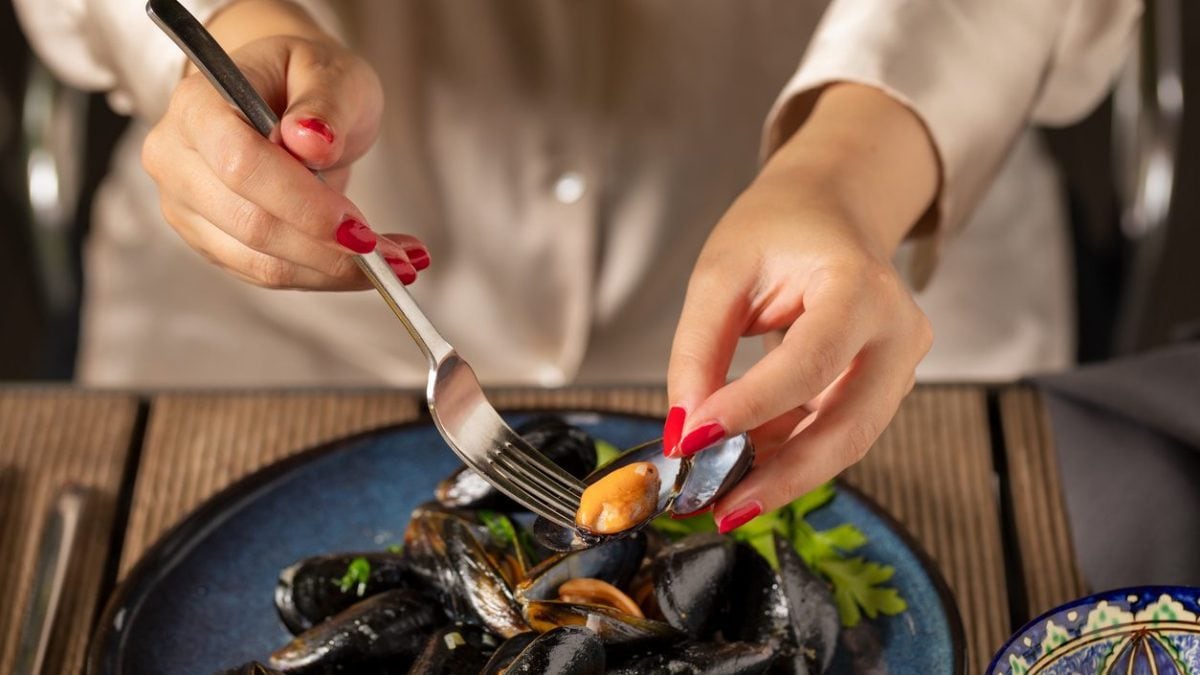
Mussels are bivalve mollusks (like clams, oysters, and scallops) highly prized in the kitchen for their intense flavor and versatility: from spaghetti to risotto and sautéed dishes, they are the protagonists of both traditional and creative recipes. These seafood are easily found at fishmongers, markets, and supermarkets: they live anchored to rocks (or to artificial supports for some farmed specimens) and feed by filtering seawater, retaining particles present in the environment, including harmful ones. It is no coincidence that mussels are used to control water pollution and, at the same time, that this biological characteristic makes them a particularly delicate food from a hygiene and health standpoint, especially when eaten raw. Eating raw mollusks, in some regional traditions represents a gesture of gastronomic authenticity, but it can be dangerous to your health due to contamination by bacteria, viruses, and harmful toxins that abound in the sea.
What Happens If We Eat Raw Mussels?
Let's get this straight: eating raw mussels exposes you to the risk of ingesting pathogenic and toxic microorganisms that can cause gastrointestinal problems ranging from mild to severe, as well as illness. Their filtering apparatus can accumulate infectious agents such as Salmonella and Escherichia coli, as well as viruses like Norovirus and Hepatitis A. When ingested while still active, they can cause symptoms such as nausea, vomiting, diarrhea, abdominal cramps, fever, and, in certain circumstances, can have more serious repercussions, particularly if consumed by vulnerable individuals such as the elderly, children, and immunocompromised individuals.
How do these harmful substances get into the sea (and rivers)? In most cases, they end up there because they're carried by wastewater from cities and, more generally, residential areas, which then contaminate coastal areas, the mussels' preferred habitat: mussels absorb plankton and other plant life for food and, at the same time, accumulate bacteria and toxins, not to mention microplastics and heavy metals, especially lead.

Can You Eat Them Safely?
Mussels intended for human consumption must come from certified wild or farmed fishing areas that are subject to regular health checks, as required by regulations. The law identifies and classifies the level of pollution in the waters in which these mollusks live into three categories: A, B, and C, using the concentration of Escherichia coli and Salmonella found in their flesh as a health indicator. Before being placed on the market, mussels found to contain high levels of potentially dangerous microorganisms undergo a purification process to reduce their microbial load. They are placed in tanks of continuously filtered and sterilized clean water to make them suitable for sale and, therefore, for serving.
What Risks Do We Run?
As anticipated, the main risk is linked to food poisoning involving the gastrointestinal tract, but also to the fact that mussels can be vectors of diseases, above all hepatitis A. This is a viral disease transmitted through food contaminated by fecal residues, particularly raw or undercooked seafood, which corresponds to an inflammation of the liver.
Not to be underestimated are the severe gastroenteritis caused by Norovirus infections, with symptoms that appear between 12 and 48 hours, the virus's incubation period: hence nausea, vomiting, abdominal cramps, and diarrhea. Other infections such as typhoid fever, salmonellosis, and even Vibrio cholerae, or cholera, are added to the list.
It's important to consider the risks posed by toxic algae, which, from a tropical phenomenon, have begun to affect our coasts in recent years. These microalgae produce substances called palytoxins, which are present in mollusks and crustaceans that feed on these plants. In humans, they can trigger the classic symptoms of gastroenteritis. Finally, the chemical factor must also be considered: mussels, as we've seen, can accumulate heavy metals (such as mercury, lead, arsenic, and cadmium), as well as microplastics, pollutants that are metabolized by our bodies.

Tips for Eating Them Safely
First, you should only buy mussels clearly labeled with the harvest date, place of origin, and packaging information. Absolutely avoid seafood sold loose and without information that allows you to verify traceability and health status. When buying them, make sure they are very fresh, with an intact shell and a certain weight, indicating that the mollusk is still in its vegetative liquid: consume them within 24 hours, storing them in the refrigerator in the net that contains them. The only way to eat mussels safely is to cook them (they must reach at least 212°F/100°C), as the danger of pathogens is almost completely (though not entirely) reduced by high temperatures. In conclusion, don't believe popular false myths: drizzling lemon juice on raw mussels won't magically kill these health enemies.
;Resize,width=767;)
