Juicy, fragrant, and packed with vitamins: lemons are among the most popular citrus fruits thanks to their many uses in the kitchen. They're a versatile ingredient for both sweet and savory recipes, perfect for making dressings, sauces, and simple yet delicious creams, from citronette to mousse, but also for adding a touch of class to juices and herbal teas, taking advantage of all their beneficial properties. Lemons can be stored in a variety of ways, at room temperature or in the refrigerator, but you've probably never seriously considered freezing them. Avoiding the freezer isn't entirely wrong, but with a few tricks, it can become a valid option for keeping this fruit available for longer.
When Should You Freeze Lemons and Why Should You Do It?
Freezing lemons can be useful when you have a large quantity on hand: making jam isn't always the best way to keep them fresh out of season, simply because you're trying to use them for something else. As we'll see later, however, these citrus fruits tend to lose their original consistency, aroma, and flavor after thawing, so if you want to store them in the freezer, you need to do it correctly. From a practical standpoint, freezing lemons can be useful when you have some leftover (spoiler alert: the zest) or if you want to have juice ready to use.
How to Freeze Lemons Correctly
You have a lot of lemons that you definitely won't be able to consume within a few weeks. So, how do you proceed with freezing them? You have four options:
- Whole lemons: Let's start with a possible option, but not recommended. Lemons can be stored in the freezer for 3-4 months in standard freezer bags, but their texture will change significantly once thawed, becoming softer and no longer suitable for slicing, preferring juicing.
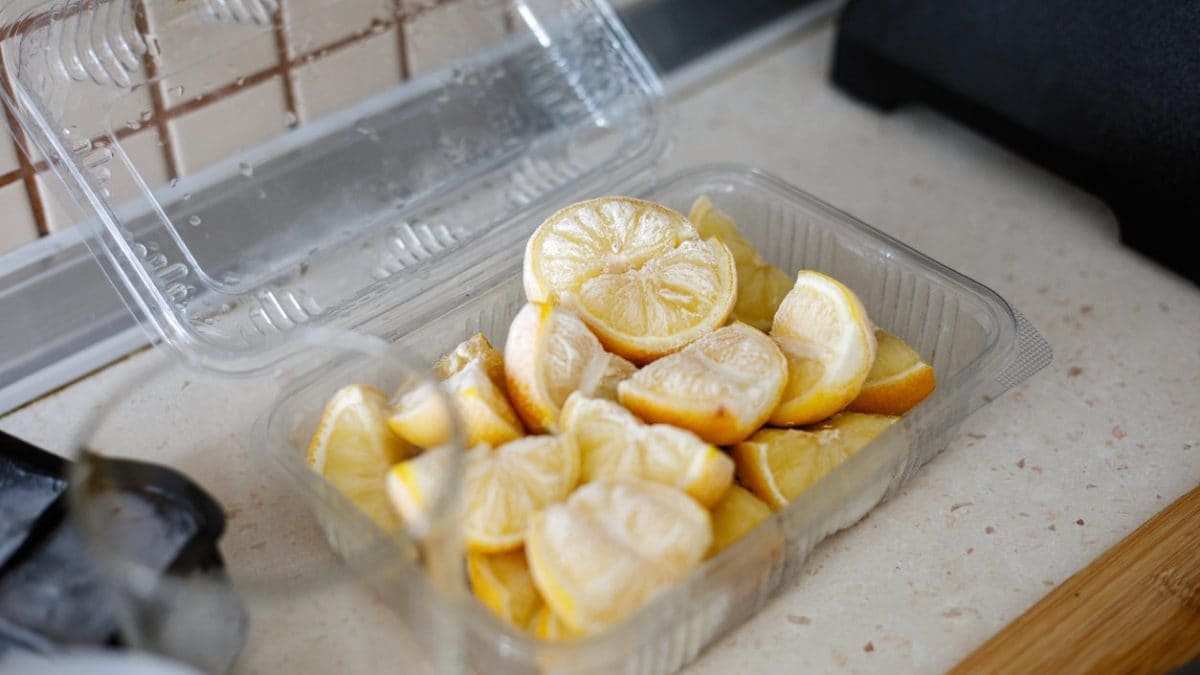
- Sliced: Lemon cut into slices or wedges takes up less space and can be an alternative when you need to flavor baked or pan-fried dishes, such as roast fish or scallops, adding it directly from the freezer without thawing. How to do it? After cutting it, freeze the slices on a tray separately from each other and then transfer them to the freezer bag.
- Lemon juice: This is the best version of frozen lemon, as it can last up to 4-6 months without losing its flavor. There are several techniques you can use: after squeezing and filtering it to remove the impurities that spoil more quickly, you can put it in ice cube trays or in plastic food bags, even better if vacuum-sealed.
- Lemon zest. Don't underestimate the lemon zest, as it's where the flavors and aromas are most concentrated: peel the fruit and cut thin slices, avoiding the bitter white pith. Stored in vacuum-sealed containers or bags, it can also be preserved for a few months, and then grated directly to flavor.

What Changes After Thawing?
Freezing alters the structure of lemons, especially the pulp. Lemons contain a lot of water, and at low temperatures they transform into large ice crystals, which break down their cell tissue. For this reason, whole lemons, once thawed, are softer and less firm; their aroma also loses intensity when cold. However, lemons can be used in dishes that don't require them to be enhanced fresh, but instead choose recipes where consistency isn't important, such as cookies and baked desserts like loaf cakes, donuts, or shortcrust pastry.
Mistakes to Avoid When Freezing Lemons
The recommendations for avoiding waste with frozen lemons are similar to those you should follow when keeping other foods in the freezer. First of all, it's important to remember that no food improves in the freezer, so storing lemons that are already spoiled or about to spoil is counterproductive. Lemons easily absorb odors from other foods: sealing them well is essential to avoid altering their flavor and aroma. Therefore, if you choose to freeze the juice in ice cube trays, choose those with airtight lids, which are readily available. Finally, don't neglect hygiene: wash the citrus fruits and pat them dry with paper towels to remove excess moisture, and buy untreated organic lemons to safely use their precious peel.
;Resize,width=767;)
