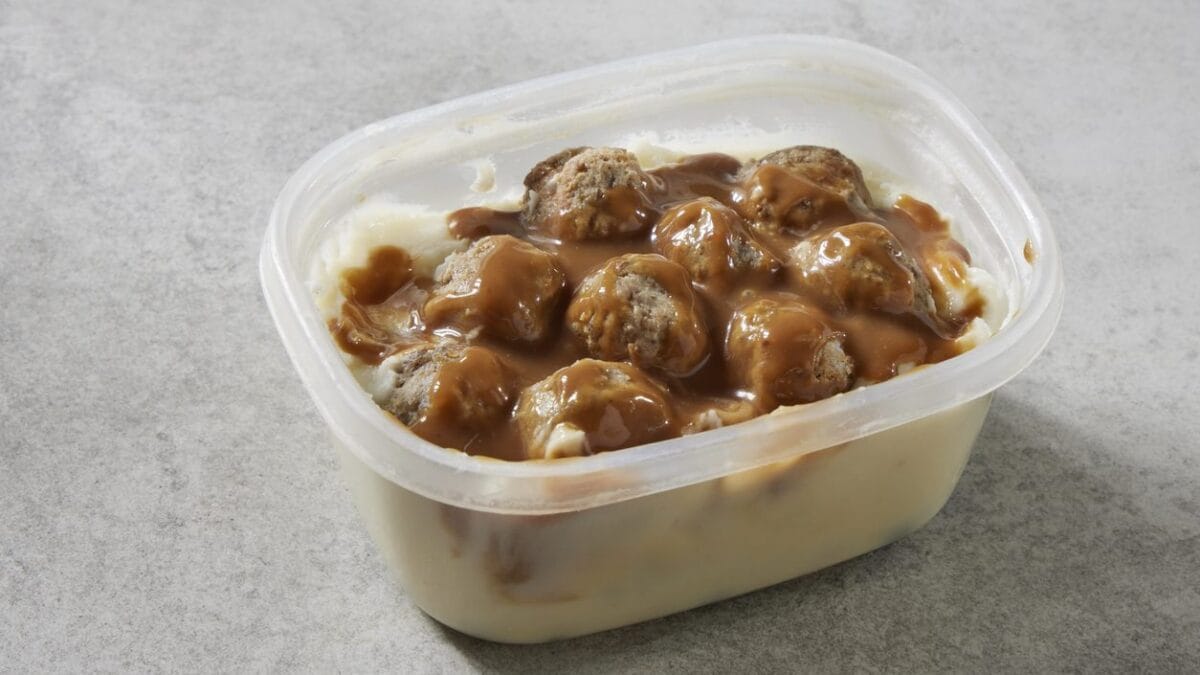
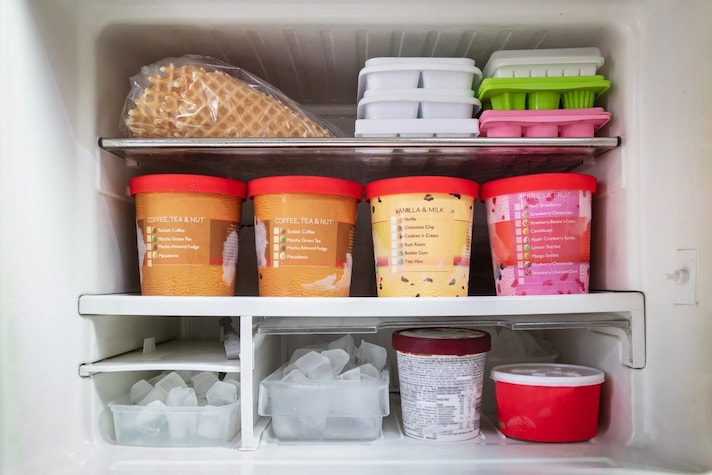
How many times, after finishing a tub of ice cream or a tub of parfait, have we washed it to reuse it as a container for leftovers? It's a common, economical, and seemingly sustainable practice. But is it really a good idea?
The answer is more nuanced than many articles circulating in recent months suggest: there is no evidence that reusing a tray once or twice poses an immediate health risk. However, food safety experts advise against converting these single-use containers into containers intended for continuous use, especially when heat or wear are involved.
Why Disposable Trays Are Not Designed to Be Reused
In the United States, packaging for ice cream, yogurt, margarine, and other foods is classified as a food contact material, regulated primarily by the U.S. Food and Drug Administration (FDA) under the Federal Food, Drug, and Cosmetic Act. Food packaging materials must be made from substances that are considered safe for their intended use and must not transfer components into food at levels that could pose a health risk. The FDA evaluates food contact substances through regulations and processes such as Food Contact Notifications (FCNs), ensuring that packaging performs as intended while maintaining consumer safety.
This means that the manufacturer must demonstrate the safety of the packaging for the purpose for which it was designed: a tub intended to hold frozen ice cream, for example, is tested for that type of use, not necessarily for being filled with boiling soup, washed dozens of times in the dishwasher, or used for years as a household container. In other words, the problem isn't so much the plastic itself, but its use outside the conditions for which it was designed.
What Happens When Plastic Deteriorates
Over time, plastic materials can undergo a natural process of wear: scratches, deformations, repeated washing cycles at high temperatures and contact with very hot foods can promote the release of small plastic particles and increase the migration of some substances from the container into the food.
In recent years, numerous studies have observed this phenomenon in the laboratory, especially under particularly stressful conditions, such as exposure to microwaves or high temperatures. However, translating these experimental results into actual risk to consumers is not easy. The quantities released depend on the type of plastic, the temperature, the contact time, and the state of preservation of the container.
And What About Microplastics?
Microplastics have become one of the most discussed topics in recent years: they have been detected in the environment, in drinking water, and in numerous foods, as well as in various human tissues. This, however, does not automatically mean that they pose a proven health risk in the quantities to which we are normally exposed.
The European Food Safety Authority (EFSA) emphasizes that knowledge about exposure levels and health effects is still limited. For this reason, the agency is conducting a new scientific assessment that should better clarify the potential risks and fill current knowledge gaps. In other words, the scientific community urges caution, but does not claim that the occasional reuse of an ice cream tub causes proven health risks.
So, Should You Stop Reusing Them?
Not necessarily: if a container is intact and is only used occasionally to store cold foods in the refrigerator for a short time, there is no evidence that this poses an immediate health risk.
The problem arises especially when disposable packaging is treated as a reusable container. These trays are designed for a specific food and for specific temperature and contact time conditions. Using them multiple times, subjecting them to heat or intensive washing means using them outside the conditions for which they were designed. It is therefore preferable to avoid:
- pour soups, sauces or other very hot foods into it;
- use them in the microwave if they do not have a clear indication of suitability;
- wash them repeatedly in the dishwasher at high temperatures;
- use them for long periods or for very fatty, acidic or salty foods;
- continue to use them if they become scratched, deformed, dull or cracked.
Remember that heat, wear, and detergents can actually cause material deterioration and increase the risk of substance migration or particle release. Therefore, the most prudent choice is not to immediately throw away every tray, but rather to limit its reuse for food and, for regular storage, to choose containers specifically designed for multiple uses.
Which Alternatives to Choose
For regular food storage, especially if hot or intended for long periods, it's best to use containers designed for repeated use. Among the most reliable options are:
- tempered glass containers;
- stainless steel containers;
- reusable plastic containers certified for food use.
These products are designed to withstand washing, temperature changes and wear better than disposable packaging.
;Resize,width=767;)
