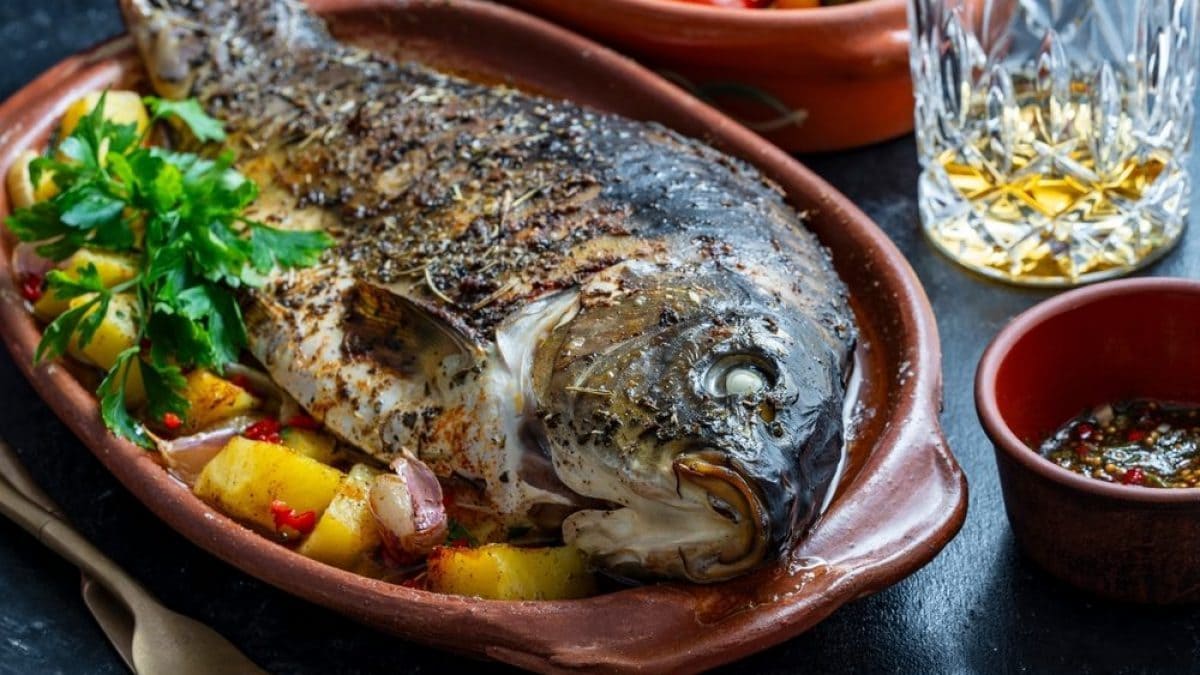
Carp is one of the most well-known and widespread freshwater fish in the world. Belonging to the Cyprinidae family, it is especially popular in many traditional cuisines of Central and Eastern Europe, but it also boasts a long historical presence in the U.S. (it was introduced during the immigration period in the 1830s), and its natural habitat is lakes, rivers, and ponds. From a nutritional standpoint, it is an interesting and often underestimated food, much like many other fish species that originate from the sea: its firm, flavorful flesh provides high-biological-value proteins, omega-3 fatty acids, and minerals, particularly phosphorus and potassium, and vitamins, such as B12. Let's delve deeper into its benefits and potential contraindications, also looking at how to best showcase it in recipes.
Carp's Characteristics and Varieties
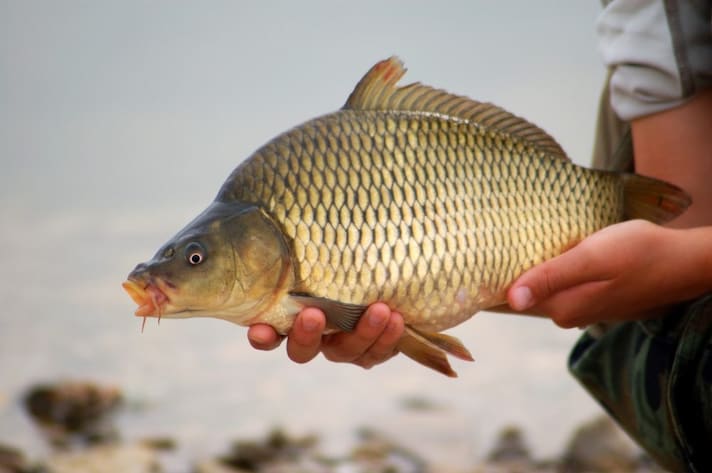
The carp is a hardy fish that easily adapts to different environmental conditions, characteristics that have favored its farming and, therefore, its availability. It is a freshwater species native to Asia and Eastern Europe, known since ancient times. Its scientific name is Cyprinus carpio, which defines the common carp. It has an elongated ovoid shape, a variable coloration ranging from golden to greenish-brown, and considerable size, sometimes exceeding a meter in length: some specimens reach 30 kg in weight, with males generally smaller than females. Among the best-known varieties, depending on their coloration, are the queen carp (the most common), completely covered in scales; the naked carp, which, on the contrary, is devoid of scales; and the mirror carp, characterized by a few large, irregular scales. Also worth mentioning is the koi carp, selected for ornamental purposes (it is not edible), which is the star of Japanese Zen gardens, attracting attention for its color combinations and elegance.
Cyprinus Carpio's Benefits
Carp is a freshwater fish that is less "heavy" than you might think. It has an average calorie content (210 kcal in a 150 g portion), provides high-quality protein, and falls into the semi-fat category (7.1 g per 100 g). Nutritional data also indicates a good presence of B vitamins, particularly B12 and niacin, along with phosphorus and potassium, micronutrients that play an important role in metabolism, muscle function, and bone and nerve health. It also contains polyunsaturated fats, including omega-3s: not at the levels of oily fish, but enough to make a contribution to a varied diet. The main benefits associated with carp consumption include:
Friend of Cardiovascular Health
Although less rich in omega-3s than mackerel or sardines, carp contains unsaturated fatty acids that help maintain a balanced lipid profile. Several studies over time have shown that regular fish consumption may be associated with a lower risk of cardiovascular disease, especially when included in a balanced diet.
It Provides Useful Minerals to The Body
We're talking primarily about phosphorus and potassium. A 150g serving contains 330mg of the former, and in addition to being an ally of bones and teeth, it participates in cellular energy production, while the latter (429mg) is essential for muscle contraction and the transmission of nerve impulses. Selenium is also present (16.2 µg in 100g), acting as an antioxidant.
Muscle Mass Support
The high intake of complete proteins provides the essential amino acids needed for the maintenance and renewal of muscle tissue. Studies on regular fish intake show that fish proteins are particularly digestible and beneficial for preserving lean body mass, especially in adults and the elderly.
Contraindications
There are no particular contraindications to eating carp. What should you watch out for? As the Humanitas Institute points out, its meat is rich in cholesterol (84.11 mg per 100 g) and therefore it is a food to be eaten in moderation: in general, cholesterol intake should not exceed 300 mg per day (for adults in good health) and 200 mg per day (for those with cardiovascular problems affecting the synthesis of nucleic acids and hemoglobin). Those who suffer from gout should limit or avoid carp because it is a food moderately rich in purines, substances that are metabolized into uric acid in the body: an excess in the blood can worsen symptoms, such as sudden attacks of pain, swelling and inflammation. The presence of many bones is also directly linked to health, which should be carefully removed before serving, as ingesting them, in addition to being uncomfortable, could cause damage to the oral cavity.
The Dangers of Environmental Contamination
One aspect that shouldn't be overlooked is the quality of the water they come from. Carp are benthic fish, meaning they live and feed in close contact with the seabed, a characteristic that makes them more exposed to the accumulation of environmental contaminants. Studies conducted on freshwater fish indicate that, if caught in polluted water bodies, carp can absorb and accumulate heavy metals such as mercury, cadmium, and lead, as well as other persistent pollutants. According to assessments by the EFSA (European Food Safety Authority), chronic exposure to these metals through food can pose a health risk, particularly for children, pregnant women, and vulnerable individuals, with possible effects on the nervous, renal, and cardiovascular systems.
For this reason, it is advisable to consume carp from controlled farms or monitored fishing areas, avoiding the frequent consumption of specimens caught in waters whose environmental status is unknown.
How to Use It in Cooking
Before cooking, carp requires some preliminary treatment. Its flesh is firm and flavorful, but choosing muddy seabeds as its preferred habitat leads to earthy aromas that often need to be softened with marinades. Once scaled and gutted, it is recommended to soak the carp in water with lemon or vinegar, or in milk, then season it with white wine, aromatic herbs, garlic, or spices to taste. It can be cooked in the oven, grilled, or stewed: among the classic Made in U.S. exist in regional and immigrant communities. For example, Eastern European and Italian-American families sometimes prepare stuffed or baked carp, using bacon, herbs, and aromatics, echoing the flavors of carp in porchetta from Lake Trasimeno. Another familiar method is marinated fried carp, reminiscent of the Italian carpione, where the fish is fried and then soaked in a vinegar-based marinade to preserve flavor and texture—historically a practical way to extend the shelf life of freshwater fish. And let's not forget smoked carp, just like salmon, trout, or tench, thanks to its tender, tasty flesh that lends itself well to being enhanced with this technique.
;Resize,width=767;)
