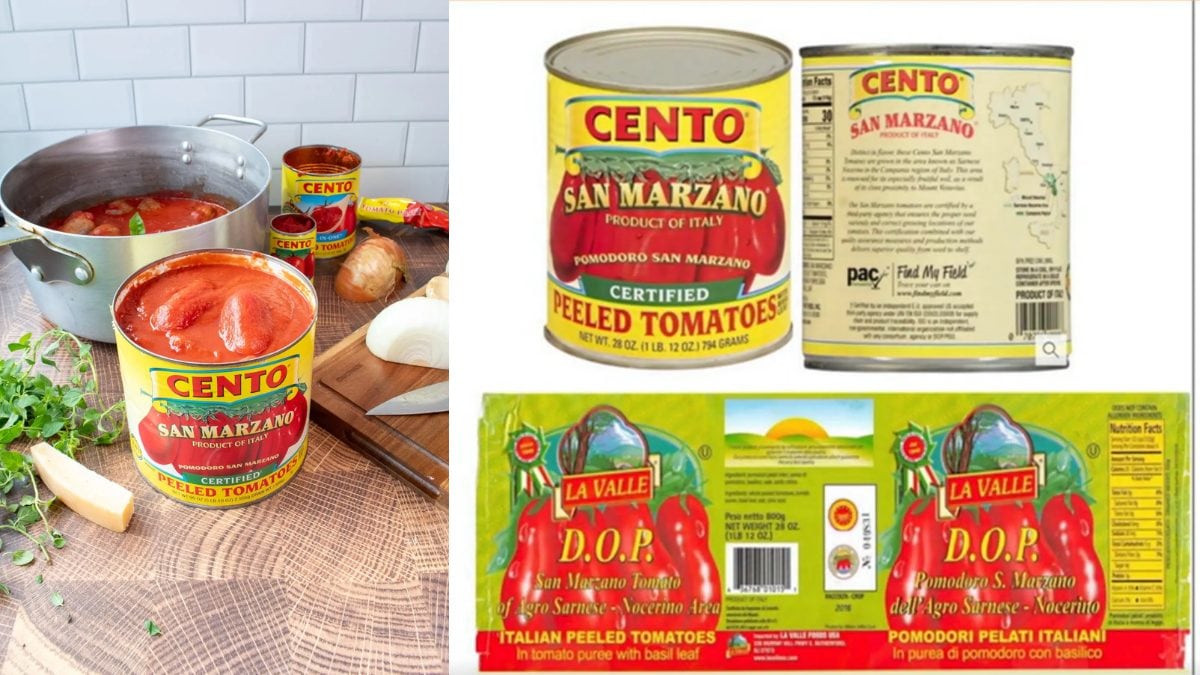
In the world of Italian cooking, the San Marzano tomato is the undisputed "Ferrari" of produce. Grown in the volcanic soil of the Sarno Valley near Mount Vesuvius, these tomatoes are prized for their thin skins, low acidity, and sweet flavor. For home chefs, seeing that "San Marzano" label on a can of Cento is usually a guarantee of quality. However, according to a bombshell class-action lawsuit filed this week, that label might be more about marketing than geography. As of May 7, 2026, Cento Fine Foods is facing accusations of "tomato fraud," and the legal battle is threatening to boil over.
The Heart of the Matter: DOP vs. "Cento Certified"
The core of the lawsuit, which was filed in a New York federal court, revolves around the strict standards of European agricultural law. Authentic San Marzano tomatoes are protected by a DOP (Denominazione di Origine Protetta) certification. To carry the official DOP seal, tomatoes must be grown in a specific region of Italy using traditional methods.
The plaintiffs argue that Cento—one of the largest importers of Italian tomatoes in the U.S.—has been misleading consumers by using its own proprietary "Cento Certified" seal. The lawsuit alleges that this label is designed to mimic official government certifications, leading shoppers to pay a "premium price" for tomatoes that may not actually meet the rigorous standards of the Sarno Valley protected region.
The "Premium" Price of Authenticity
Why does this matter to the average grocery shopper? It all comes down to the receipt. Authentic San Marzano tomatoes can cost twice as much as standard plum tomatoes. According to reports from ABC News and Fox Business, consumers are willing to pay that "San Marzano tax" because they believe they are getting a unique, government-protected product.
The lawsuit claims that by labeling their products "Certified San Marzano" without the accompanying official Italian DOP seals on every can, Cento is engaging in deceptive trade practices. The plaintiffs allege that if they had known the tomatoes weren't officially DOP-certified, they wouldn't have shelled out the extra cash for the brand’s iconic yellow cans.

Cento’s Defense: Real Tomatoes, Different Rules?
While Cento has yet to release a full statement regarding this specific 2026 filing, the brand has historically defended its labeling practices. In the past, the company has maintained that its tomatoes are authentic San Marzanos, but that they choose to use a third-party certification (Bioagricert) rather than the DOP consortium’s seal. Cento argues that their internal "Certified" process is actually more transparent, as it allows customers to track the specific farm where the tomatoes were grown using a find-my-field tracking system on their website.
However, the legal team behind the class action isn't buying it. They argue that "Cento Certified" is a self-appointed title that creates "culinary confusion" and robs consumers of the certainty that comes with official Italian government oversight.
What This Means for Your Pantry
As the lawsuit moves through the courts, Cento fans are left wondering if they’ve been overpaying for their Sunday gravy. For now, the products remain on shelves, but the "tomato fraud" headlines are already starting to impact brand perception.
- For the Purists: If you want 100% certainty, look for the two specific seals: the circular red-and-yellow DOP seal and the "Consorzio" certification number.
- For the Cento Loyalists: Many chefs still swear by the flavor of Cento’s crop, regardless of which legal seal is on the can.
;Resize,width=767;)
