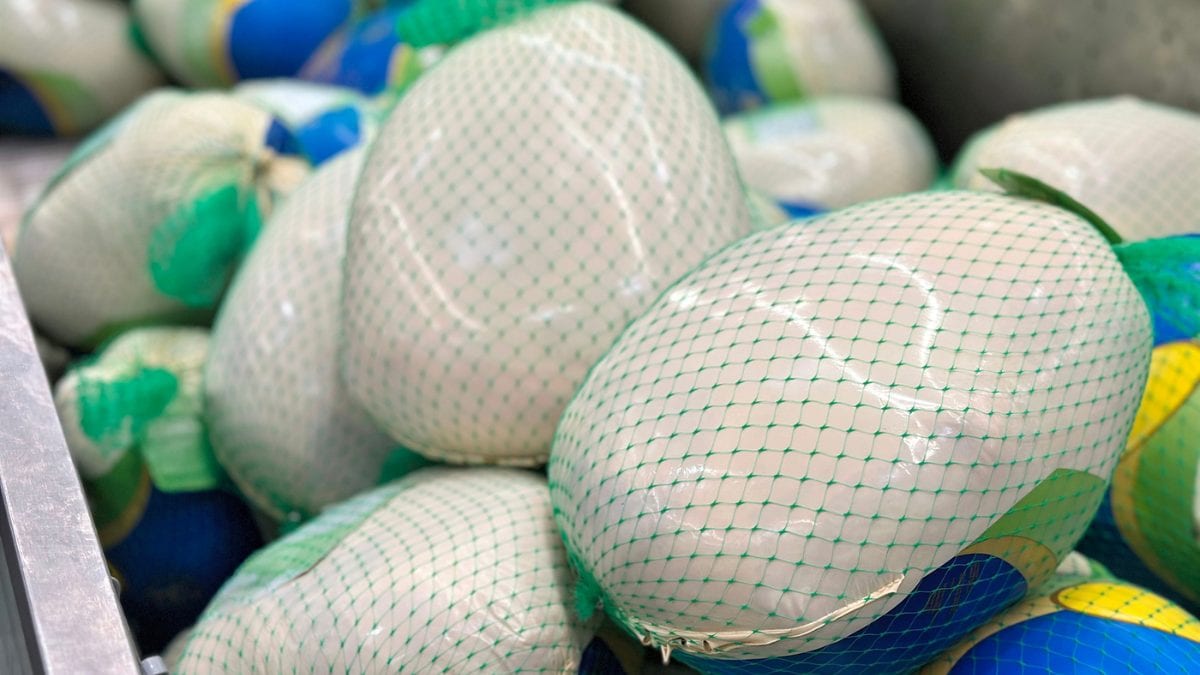
The Thanksgiving turkey isn’t just dinner — it’s a centerpiece, a ritual, and for many home cooks, the most stressful purchase of the year. Chefs will tell you that a great bird starts long before it hits the oven. The texture, juiciness, and even the golden crispness of the skin all depend on what you buy and how it’s been raised, stored, and handled. You don’t need a Michelin star to choose wisely — just a little know-how (and patience) from those who roast hundreds of birds a year.
Fresh vs. Frozen: The Great Debate
When you’re staring at a wall of turkeys in November, the first question is always the same: fresh or frozen? Under USDA standards, “fresh” turkey isn’t quite what it sounds like. It only means the bird has never been stored below 26°F, the temperature at which meat begins to freeze. So yes, your “fresh” turkey may still be quite cold — and that’s fine. Chefs often prefer fresh birds because they tend to have a slightly better texture and flavor, especially when roasted simply.
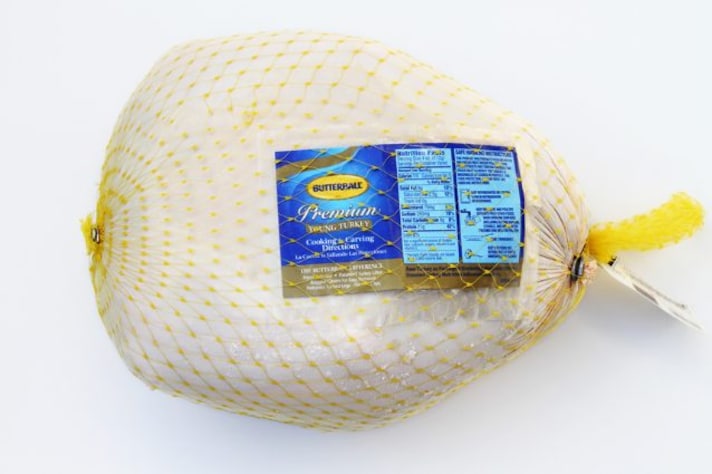
That said, frozen turkeys are more practical for most home cooks. They’re usually flash-frozen soon after processing, locking in moisture and flavor. The key is to plan ahead, because it can take three to four days to thaw one safely in the fridge. For most people, a high-quality frozen bird from a trusted producer will roast up beautifully. The secret lies more in your prep than the label.
How Big Should Your Bird Be?
When it comes to turkey, bigger isn’t always better. Chefs often avoid oversized birds because larger turkeys cook unevenly — the breast dries out while the legs are still catching up. Plan on 1 to 1½ pounds per person if you’re serving the usual side dishes. For a smaller, more manageable roast, many chefs recommend buying two smaller birds instead of one giant one — you’ll get more evenly cooked meat and less stress on the big day.
Heritage, Organic, or Conventional?
The turkey aisle can feel like a vocabulary quiz — heritage, organic, free-range, natural. So which one really matters?
Heritage Turkeys
Chefs adore heritage turkeys — older, slower-growing breeds like Bourbon Red or Narragansett — for their deeper flavor and firmer texture. These birds taste more like turkey used to, but they’re pricier and sometimes harder to find.
Organic and Free-Range Options
An organic turkey has been raised without antibiotics or synthetic feed and must have access to the outdoors. These tend to have cleaner flavor and better fat distribution, which means juicier meat.
Conventional Birds Aren’t Always Bad
Don’t dismiss your local supermarket turkey — many chefs say a well-prepped conventional bird can be excellent, especially if brined or dry-rubbed properly. Quality varies by brand, so read reviews and trust your instincts more than the marketing buzzwords.
How to Judge a Good Turkey at the Store or Butcher
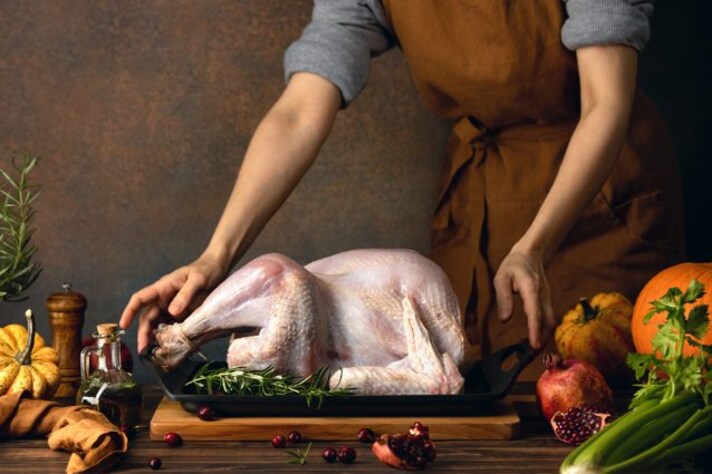
Labels are one thing, but the best chefs rely on their senses. Look for pale, slightly creamy skin with a firm texture. Avoid birds with torn packaging, excess liquid, or ice crystals — all signs of temperature fluctuations. A good butcher will tell you:
- When the turkey arrived
- Whether it was previously frozen
- What farm or producer it came from
A turkey’s diet affects everything from its flavor to fat content. Birds raised on a diet rich in corn and soy have a mild, buttery flavor, while pasture-raised turkeys (those that forage naturally) tend to have a more robust, slightly gamier taste. Chefs often choose the latter for their complexity — especially when roasted with simple seasoning.
Where to Find Great Turkeys According to Chefs
Professional kitchens often source from local farms or specialty purveyors, not supermarkets. But you can apply the same principle at home:
- Look for regional farms that pasture-raise birds humanely.
- Farmers’ markets and local butchers often take Thanksgiving pre-orders.
- If you’re buying retail, read the fine print — look for transparency around sourcing and handling.
Common Buying Mistakes (and What Chefs Do Differently)
Even experienced cooks make these turkey-shopping errors:
- Buying too late — leaving you with the last frozen giant in the store.
- Not checking the packaging — damaged wrapping can indicate freezer burn.
- Choosing size over quality — smaller, younger birds are almost always more tender.
Chefs also avoid pre-stuffed turkeys, which can pose food safety risks and uneven cooking. Always buy the bird and stuffing separately.
;Resize,width=767;)
