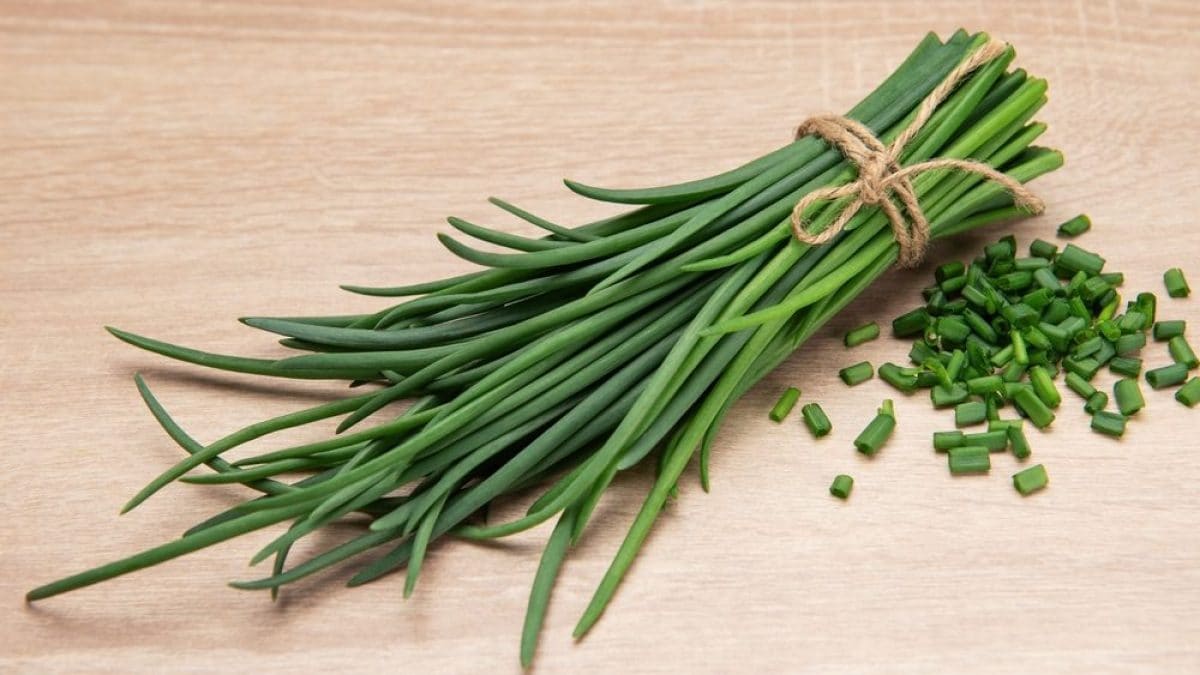
Chives (Allium schoenoprasum) are one of the most elegant aromatic herbs we can use in the kitchen, probably underused compared to their versatility. They belong to the same family as garlic and onion (Liliaceae, genus Allium), but their aroma is more discreet, with slightly pungent notes that do not overwhelm the flavors and add freshness. They are a perennial herbaceous plant with long, narrow, almost needle-like leaves that are hollow on the inside: they have been known and used for centuries in Europe and Asia, once growing wild and then easily cultivated in vegetable gardens, even domestic ones, with the advantage that they also grow in pots, perfect for placing on the balcony. Chives are not only good to eat, but also boast several medicinal properties, already popular among the ancients, who used them for therapeutic purposes, particularly against coughs and fevers: let's see what their properties are and how to enhance them in recipes.
Chives' Nutritional Values and Properties
Chives are a powerhouse of health. They are more than 90% water, providing a fair amount of fiber and plant-based proteins, while fats and carbohydrates are decidedly negligible: the result is a low-calorie food, providing 30 kcal per 100 grams. What stands out is their vitamin content: in addition to vitamin A and those of the B group, vitamin C (58.1 mg) and vitamin K (212.7 µg) are particularly important, with the former performing important antioxidant functions and the latter involved in blood clotting and bone health. Minerals are also abundant, with potassium, calcium, phosphorus, magnesium, and zinc predominating. Like garlic and onion (but also shallots and leeks), chives boast the presence of sulphur compounds that are precious for the body, including allicin which is released when the leaves are cut, rubbed or crushed: this active ingredient is not only responsible for the peculiar aroma, but also has antibacterial, antiseptic and anti-inflammatory properties.

Chives' Benefits and Possible Contraindications
Based on its composition, it's easy to see why chives are a great ally for the body: they're easily digestible, purifying, fight free radicals, and protect the immune system. Specifically, here are their greatest benefits:
- Natural antibacterial action: Several studies show that allicin is a molecule that can inhibit the growth of both bacteria and fungi, with well-established antibacterial effects. This doesn't mean it should be used in place of antibiotics, but when consumed as part of a healthy and varied diet, it can help defend the body against these pathogenic microorganisms.
- Antioxidant: Chives, like onions, contain quercetin and other flavonoids that combat cellular aging, protecting the entire body from oxidative stress, thus reducing the risk of cardiovascular and neurodegenerative diseases, and cancer. Furthermore, glycolic acid, used in cosmetics, contributes to collagen production and cell renewal.
- Ally of the heart: we've already mentioned this, as the overall composition of chives is a real panacea for this vital organ. It promotes vasodilation, allowing blood to circulate better, and has positive effects on controlling bad LDL cholesterol and blood pressure.
- Diuretic-purifying effect: it stimulates the elimination of excess fluids and toxins present in our body; excessive consumption can also have laxative effects, but it is excellent against constipation.
- Improves digestion: the fibers present in chives, although in modest quantities, help stimulate intestinal transit and promote a sense of satiety.
- Support for bones and coagulation: the presence of vitamin K, together with calcium and magnesium, contributes to bone health, making them stronger and less prone to fractures and to correct hemostasis.
- Support during pregnancy: chives contain folates (B9) which are essential for the correct synthesis of DNA: they are found in various foods – or as a supplement in the form of folic acid – and are important during pregnancy for the development of the fetus.
Consuming chives is generally safe, and there are no specific contraindications. It's important to remember that the high vitamin K content may interact with anticoagulant therapies: in these cases, it's best to consult your doctor to determine the appropriate amount for your diet. Those who are sensitive to plants of the Allium genus may experience digestive problems: as with any food, it's important not to overdo it.
Chives' Culinary Uses
After the theory, let's move on to practice: chives are a readily available product and can be used in a variety of ways in the kitchen. They are best used raw, as an ingredient or garnish in dishes served cold or warm (see potato salad and beef tartare), or added at the end of cooking, taking advantage of the heat of the food to enhance the aroma (as in barley soup). Cut the strands into small pieces with scissors and then sprinkle them on hard-boiled eggs, scrambled eggs, omelettes, and frittatas, because the combination with eggs is one of the most successful. You can mix them with fresh cheeses, Greek yogurt, and sour cream to make spreads and accompanying sauces, or work them with butter to flavor it. They also pair well with lemon, mustard, and other herbs such as dill, tarragon, and marjoram. Do you have a large amount on hand? Make a pesto to dress pasta. Looking for a dramatic way to close up rolls and parcels? Use strings as ribbons.

If you want to cook it, the advice is to never subject it to long cooking times – it would lose many of its properties – and to replace it with garlic or onion perhaps when you sauté vegetables in a pan: if you have chosen it for a lighter and more digestible sauté, do not use an aggressive flame and add it just before combining the other ingredients.
Perhaps not everyone knows that chives have lilac-purple inflorescences, delightful to look at and to taste: their flavor, in fact, resembles that of leaves, but is milder. Use the little flowers to garnish salads (even legume salads, like beans) and to enhance raw fish, like salmon.
;Resize,width=767;)
