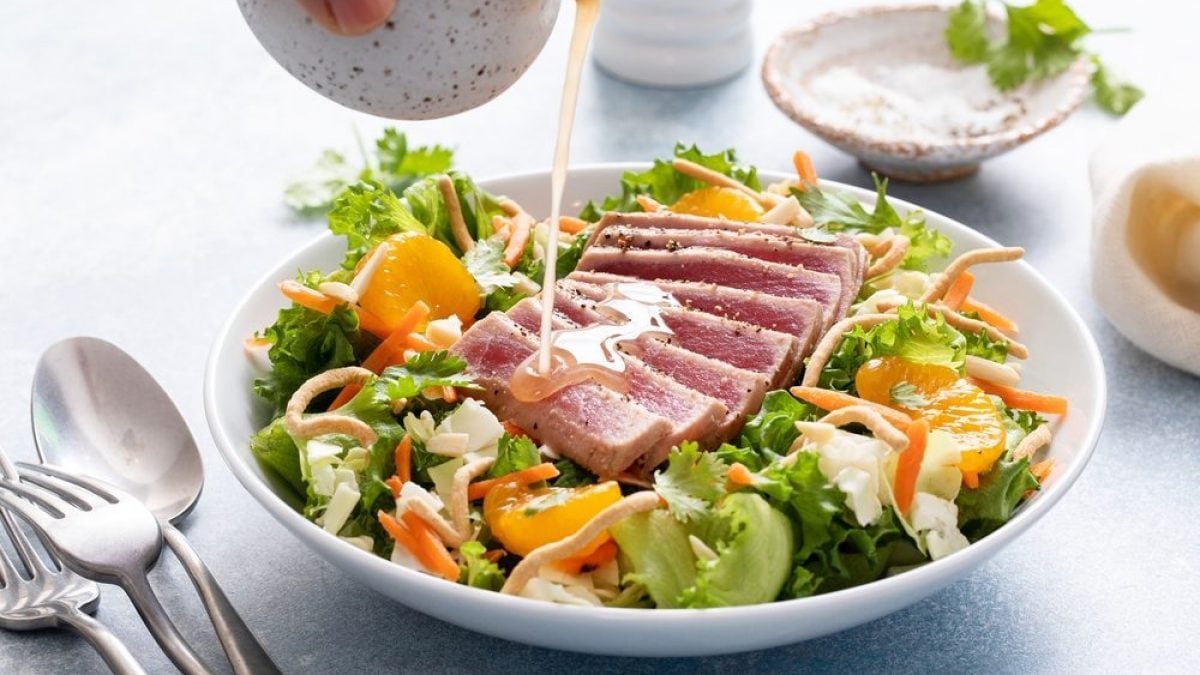
Four condiments with very similar names, clearly of French origin, are composed in the same way: an acidic ingredient, a fatty component, and a flavoring and aroma component (aside from mignonette). It's not hard to understand why it's so difficult to distinguish one preparation from the other! Citronette, vinaigrette, orangette, and mignonette might seem like the same thing, but in reality they are different recipes, albeit with a common origin and starting point. These are emulsions typical of French tradition, capable of completely transforming meat, fish, and vegetable dishes. Although they all end with the suffix "ette," each of these condiments is made with different ingredients (though following the same formula) and each lends itself to a specific use. Let's discover the differences between citronette, vinaigrette, orangette, and mignonette, how they are prepared, and how they are used in the kitchen.
What Are Raw Sauces and What Are They Used For?
Citronette, vinaigrette, orangette, and mignonette all fall into the category of raw sauces: these are uncooked condiments that enhance flavors without overpowering them, adding freshness or creaminess to hot and cold dishes. Raw sauces are made by blending, chopping, or emulsifying fresh ingredients (such as vegetables, herbs, nuts, and oil) while still cold, and for this reason, they retain all the nutritional properties, aromas, and vibrant colors of the original ingredients. In the specific case of our four condiments, we are dealing with what are called emulsions, or sauces in which the ingredients do not bind permanently and tend to separate if left to stand; they are used to marinate, flavor, and enhance raw foods, salads, meats, and fish. Let's now explore, in detail, all the characteristics of citronette, vinaigrette, orangette, and mignonette.
1. Citronette
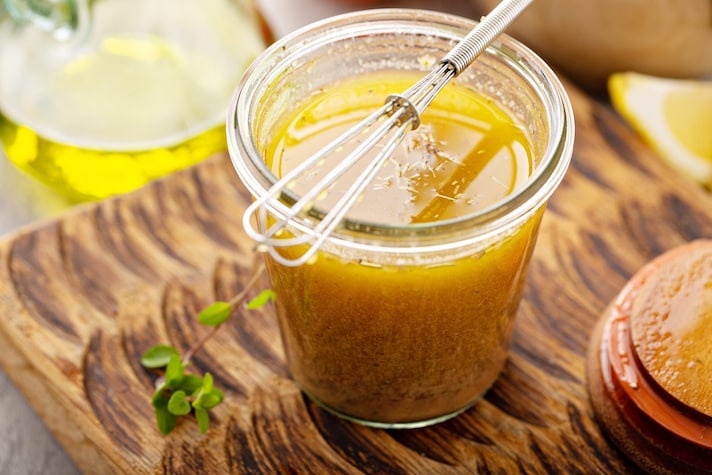
Citronette is a raw emulsion typical of French cuisine, prepared with a mix of lemon, extra virgin olive oil, salt, and a pinch of pepper; the name derives from citron, meaning lemon. It is prepared by emulsifying filtered lemon juice, extra virgin olive oil, salt, and pepper until a smooth, fluid sauce is obtained. It is then flavored and mixed with a whisk (manual or electric) until a creamy consistency is achieved. The result is a fresh and fragrant emulsion, mainly used to marinate and season meat or fish dishes, especially carpaccio, to which it adds a pungent, aromatic note. Alternatively, it is an excellent condiment for salads or grilled vegetables.
2. Vinaigrette
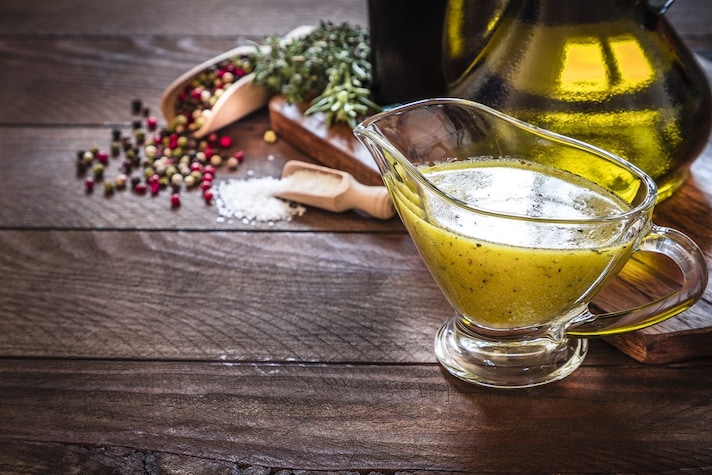
Vinaigrette, along with citronette, is the most famous of the four typical emulsions of French cuisine and is also very similar: vinegar is used instead of lemon, but the rest of the ingredients are the same. It is made of 2/3 extra virgin olive oil and 1/3 white wine vinegar, with the addition of a pinch of salt and pepper. Its name derives from the French word vinaigre, meaning vinegar: it is a pungent sauce in which the flavors blend without overlapping for a balanced result, with just the right amount of acidity. Vinaigrette is mainly used to season vegetables and salads, or, for example, as a sauce to accompany dips.
3. Orangette
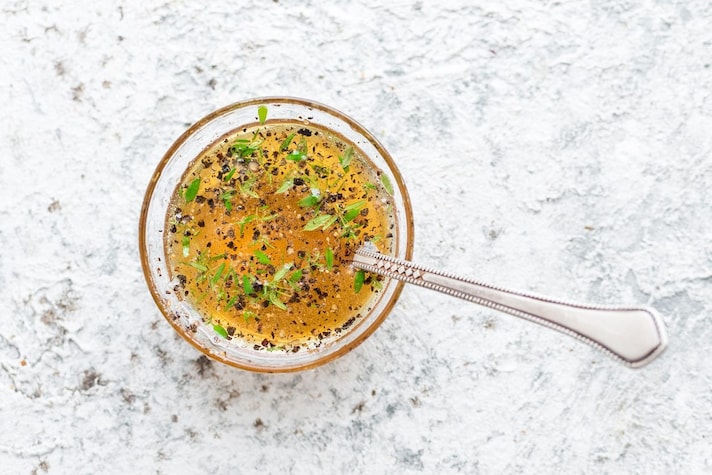
As the name suggests, orangette features a different acidic ingredient: orange juice. The use of citrus makes this emulsion much sweeter, more delicate, and fruitier than citronette or vinaigrette, perfect for those who don't like an excessively sour taste. Making it is very simple: extract the juice from the orange, strain it, and after adding oil and salt, emulsify with a hand or electric whisk. Orangette is perfect for dressing fresh salads (like the classic fennel salad or for dipping), roasted or baked vegetables, fish (especially tartare), and white meats, especially grilled.
4. Mignonette
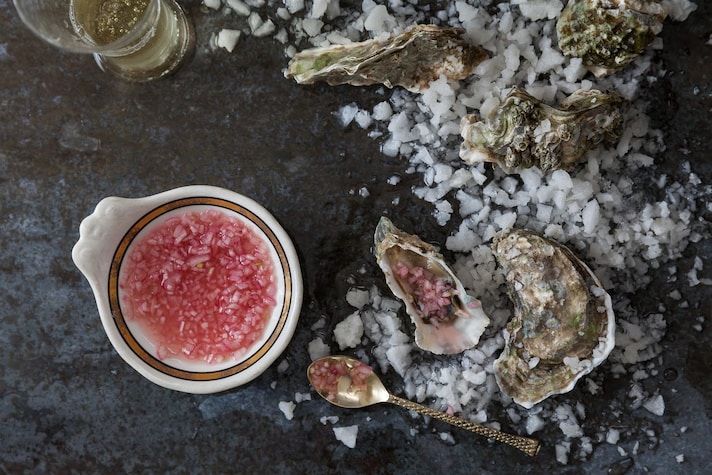
Mignonette is the emulsion that most differs from the other three: in this case, the main ingredients are vinegar (usually red or white wine, but many variations use a dash of wine), black pepper, and shallot; the name derives from the French mignonnette, a term that refers to coarsely ground pepper. Unlike other sauces, mignonette does not require the use of extra virgin olive oil, an absence that guarantees a runny consistency and a particularly pungent flavor. In its preparation, the shallot is finely chopped and left to marinate in vinegar along with the peppercorns for at least three hours. It is the quintessential accompaniment to raw oysters, as its acidity perfectly balances the saltiness and texture of the mollusk without overpowering its flavor.
;Resize,width=767;)
