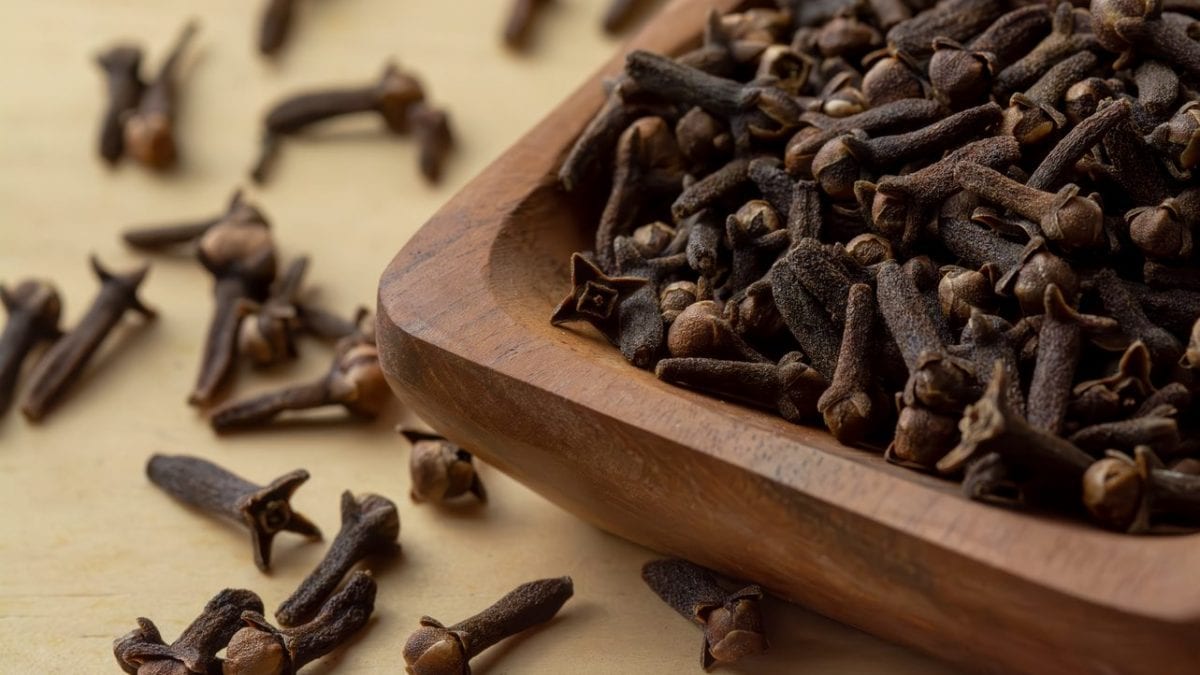
Just smelling their intense and pungent scent is enough to immediately transport you to an autumnal and winter climate, it is no coincidence that they are used in many Christmas recipes precisely because of their strong aroma: they are cloves, tiny inflorescences of the Eugenia caryophyllata, an evergreen tree belonging to the Myrtaceae family, collected when they are still closed and then left to dry.
This is a very ancient spice, native to Indonesia, specifically the Moluccas archipelago, and was introduced to Europe and the U.S. only in the 17th and 18th century on the ships of Portuguese and Dutch colonists. Europeans and Americans were immediately won over by the strong, sweet, flowery aroma, with a peppery hint, of cloves. From a culinary perspective, cloves are a truly "magical" ingredient, used in dozens of different ways, and in fact they appear in several gastronomic cultures. In Western cuisine, they are mainly used to flavor teas, infusions, and herbal teas, to enhance meat, game, and vegetable dishes, or as an ace in the hole for oil and vinegar preserves, while in colder countries they are an essential ingredient in piping hot punches and steaming mulled wines. Furthermore, in France, they are the main ingredient in typical desserts such as pain d'epices, while in India they are used in the preparation of meat or fish curries.
Beyond the undisputed culinary value of cloves, Europeans also discovered the spice's many benefits, used since ancient times in Asia in traditional medicine precisely for its remarkable properties: infusions and compresses made from these precious buds (used sparingly and in the right quantities) have pain-relieving, anti-inflammatory, and antioxidant effects, to name just a few of their best-known properties. Let's get to know these flowers better, so small in size, yet so grand in flavor, properties, and benefits.
Cloves' Properties and Benefits
Don't be fooled by their small size: even though they're tiny, cloves are packed with nutrients. Their nutritional profile is particularly notable for their significant mineral content, primarily potassium and magnesium, but also sodium and phosphorus, as well as a good dose of vitamins and fiber. Furthermore, cloves are low in fat and sugar, completely cholesterol-free, and their calorie count is virtually negligible, especially since they're such a concentrated spice that they should be used sparingly and in small quantities. Given their rich nutritional profile, what are the benefits of cloves? Here are all the properties of this precious spice.
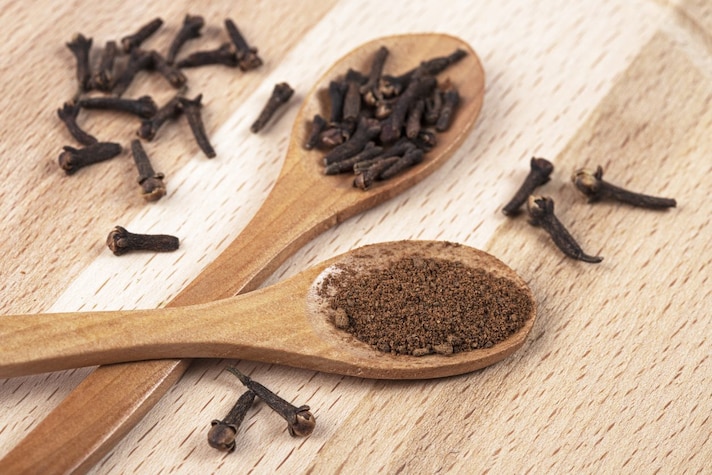
1. Powerful Anti-Inflammatory
If you've ever entered a dentist's office, you know there's a very specific and distinctive smell in the air. What you might not know is that it comes from cloves, or rather, from a substance called eugenol, which is found in large quantities within the spice. But what does this have to do with dentists? Eugenol is a powerful natural anti-inflammatory and anesthetic, especially useful in treating toothache and gingivitis due to its ability to numb the nerves. For this very reason, in the dental field, clove essential oil is used in dental cement and dental medications to reduce inflammation and oral discomfort. In addition to being a powerful anti-inflammatory and analgesic, eugenol also has strong antimicrobial properties, which is why clove oil is also used in natural lotions and products aimed at daily oral hygiene. A curiosity: in China, during the Han dynasty, anyone who appeared before the emperor was required to chew and hold a clove between their teeth to have fresh, fragrant breath.
2. Anesthetic and Pain-Relieving Effect
Eugenol is also a good anesthetic and, combined with the tannins present in cloves, gives the spice a certain usefulness in fighting inflammation and infections, as well as a painkiller effect. It is no coincidence that more and more scientific studies are focusing on research into the therapeutic potential of cloves in the treatment of certain bacterial diseases, such as staphylococcal infections. Currently, cloves, in the form of essential oil, pastes, and poultices, are widely used in Ayurvedic medicine and in natural treatments to combat muscle pain, joint pain, and migraines. Usually, the oil (always diluted) or paste (composed of clove powder and water) is applied to the painful area to stimulate circulation and reduce inflammation. Be careful, because both the oil and the poultices are very powerful and, if applied incorrectly, can cause very strong skin reactions. The advice is not to do these treatments on your own but to consult a doctor and an expert in this field to try them.
3. Antioxidant Properties
The polyphenols contained in cloves are excellent antioxidants that help fight free radicals and slow the progression of cellular aging. These substances are essential in preventing oxidative stress in cells, a key factor in the degenerative processes of human tissue. Cloves, taken for example as an infusion, therefore help slow the formation of wrinkles and improve overall skin health, as well as prevent diseases related to premature cellular aging.
4. Digestive Benefits
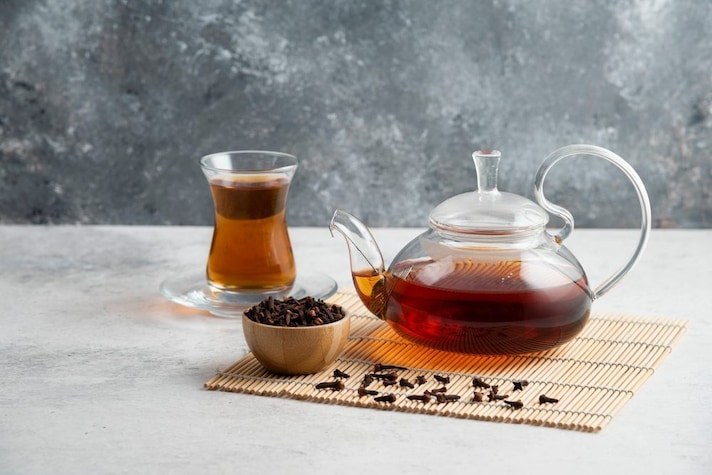
Speaking of herbal teas, teas, and infusions: nothing is more beneficial than a hot clove-based beverage to aid digestion and relieve gastrointestinal disorders such as bloating, flatulence, and slow digestion. It is precisely the presence of antioxidant compounds, along with a good amount of fiber, that promotes the secretion of digestive enzymes and gastric juices, thus supporting the proper functioning of the entire gastrointestinal tract. The most common way to reap its benefits is to prepare an infusion: simply add 2-3 cloves to a cup of boiling water, let them steep for about 10 minutes, and then strain. The best time to drink it is after meals, to stimulate gastric juices and promote regular intestinal transit.
Do Cloves Have Any Contraindications?
There are no known contraindications, aside from specific cases of allergies, but it's best to use cloves sparingly because they are a highly concentrated spice, especially when using products extracted from the plant. Rather than contraindications, there are some aspects to consider if you decide to use cloves. As we've already mentioned, clove essential oil has many benefits, but it's also very strong: it should always be diluted because, if used pure, it could irritate the skin and mucous membranes. Furthermore, people with very sensitive skin or a predisposition to allergies should use it with caution. Therefore, remember that it's always best to perform a skin tolerance test before using the oil or undergoing clove-based treatments and compresses.
Due to the many components they contain, cloves may interfere with certain medications, particularly anticoagulants and antiplatelet drugs, as well as those used for heart health. If you are taking any of these medications, always consult your doctor before taking the spice in any form. Furthermore, cloves are not recommended for children or for pregnant or breastfeeding women, as there is still no scientific evidence to support the effects of eugenol on children.
;Resize,width=767;)
