It's a given that the past and present (and also the future) of global gastronomy are punctuated by encounters between diverse cultures that shape its many universes. Among these, one particularly fascinating is that of Creole cuisines, deriving from the fusion of European, African, Native American, and Asian culinary traditions. These are the result of migration and are characterized by enveloping flavors thanks to the use of spices. Discovering them means immersing yourself in a true journey around the planet, from Louisiana to the French Antilles, all the way to the Seychelles.
Creole cuisine is not just a collection of recipes and dishes, but is an essential part of the cultural identity of the communities that created it: food once again becomes a common language, a symbol of pride in one's roots and of resistance, which harks back, for example, to the fight against slavery and colonialism.
What is Creole Cuisine?
The term "Creole" derives from the Spanish "criollo," later extended to Portuguese and French, which identified Europeans born in the colonies, especially those in Latin America and the Caribbean. It therefore referred to people whose parents came from France, Spain, and Portugal, but who were resident in the New World, which served to distinguish them from the Europeans who lived there but were born in the Old World. Over time, however, the word took on broader connotations, including all those of mixed origin (also called "mestizos"): in this context, "Creole" came to refer not only to a group of individuals, but also to a culture born of different languages and traditions, including culinary ones.
Louisiana Creole Cuisine, The Most Famous in The World
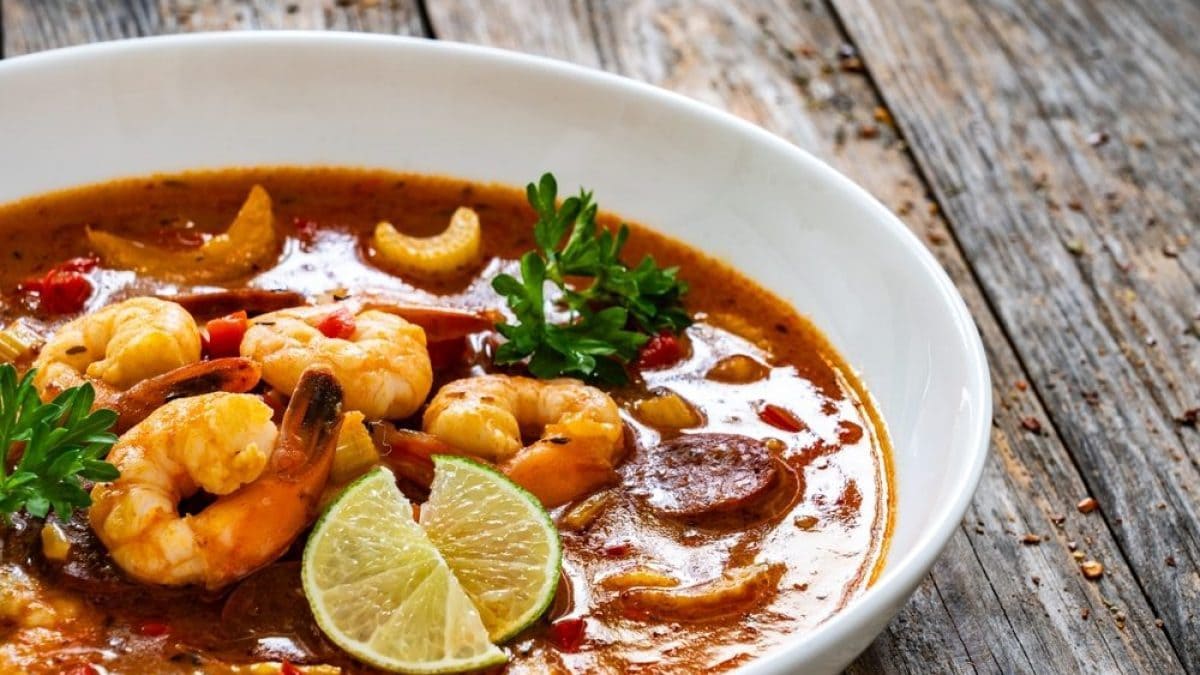
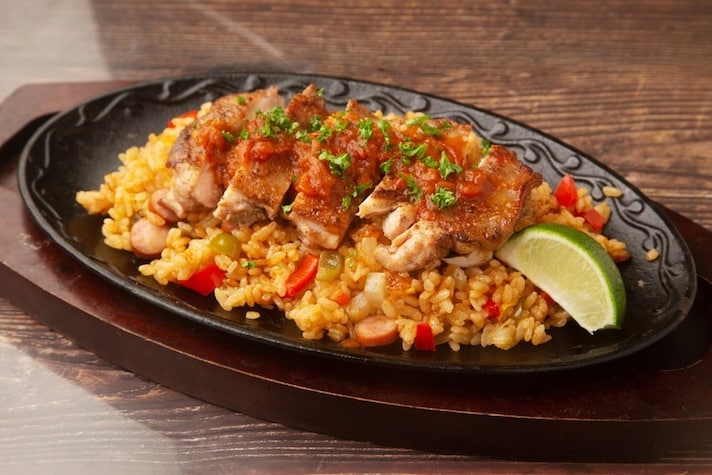
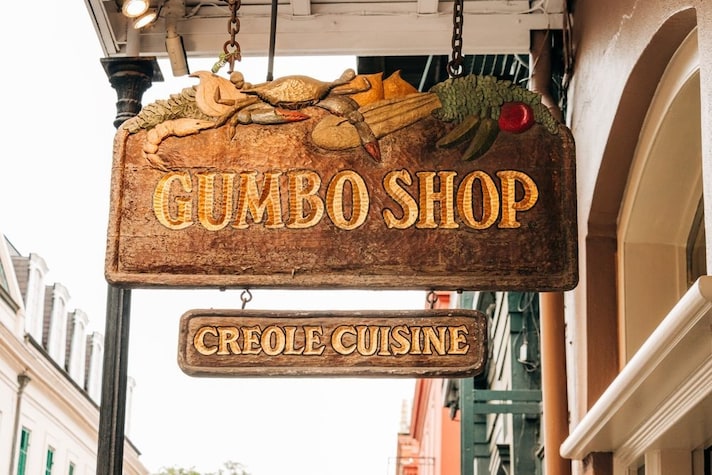
Creole cuisine cannot be discussed without beginning with that of Louisiana, one of the most representative states of the Southern United States: it is the most famous in the world, with New Orleans as its chosen city. It is a cuisine that blends French, Spanish, African (those of the slaves brought to work on the plantations), and Native American culinary traditions, with a touch of Caribbean influences. Its most iconic dish is undoubtedly gumbo, a thick soup made with roux, chicken and andouille sausage or seafood and shellfish, and vegetables such as okra, which is the most characteristic ingredient, peppers, celery, and onion, often served with white rice. Another specialty is jambalaya, a rice dish reminiscent of Spanish paella, but developed in the 19th century: it can be prepared with chicken, sausage, shrimp or other seafood, tomato, and flavored with spices such as thyme and paprika.
Creole cuisine should not be confused with Cajun cuisine, which has its roots in the Acadians, French colonists who landed in Canada and were later exiled, and who pushed south in the 18th century. These dishes are spicier, usually without tomatoes, and are more rustic and simple, having their origins in the peasant populations who inhabited the countryside. Local Creole specialties, however, are more refined, the result of the habits of wealthy French people who settled in the cities. Despite this, there are foods that are considered both Cajun and Creole: anyone who has seen the Disney film The Princess and the Frog, set in New Orleans, will remember the sweets prepared by Tiana, namely beignets, a type of fried dumpling covered in powdered sugar, a true Carnival institution.
But there's more: the protagonist's character is inspired by Leah Chase, legendary chef and activist for African-American rights, who with her restaurant Dooky Chase's became the queen of New Orleans Creole cuisine. Another name who made Creole and Cajun cuisine known beyond the borders is that of chef and cookbook author Paul Prudhomme (1940-2015), considered the father of modern Creole cuisine. Finally, it's worth noting that Louisiana is also one of the homelands of another fusion cuisine featuring the descendants of African slaves, so-called soul food, where crispy and spicy fried chicken reigns supreme.
Other Creole Cuisines, From The Caribbean to The Indian Ocean
We leave Louisiana and land in the French Antilles, which include islands such as Guadeloupe and Martinique: in addition to being true Caribbean paradises, they are a melting pot of cultures that is perfectly reflected in their Creole cuisine, combining French, African and Indian influences. After the abolition of slavery in the 19th century, the French colonies needed new labor for sugarcane plantations and other agricultural work: laborers arrived from the possessions in India, especially from the territory of Pondicherry, who also brought with them ingredients and raw materials, giving rise to particular contaminations. Among the national dishes of the Antilles we find: colombo, a chicken-based recipe with the meat marinated in a mix of spices including turmeric, coriander and cumin seeds; boudin créole, a pork sausage similar to blood sausage and black pudding that uses a lot of chili pepper and is eaten at Christmas; acras, cod fritters with African roots that are mainly served as an aperitif, accompanied by Ti' Punch, a typical cocktail made with rum, cane sugar syrup and lime.
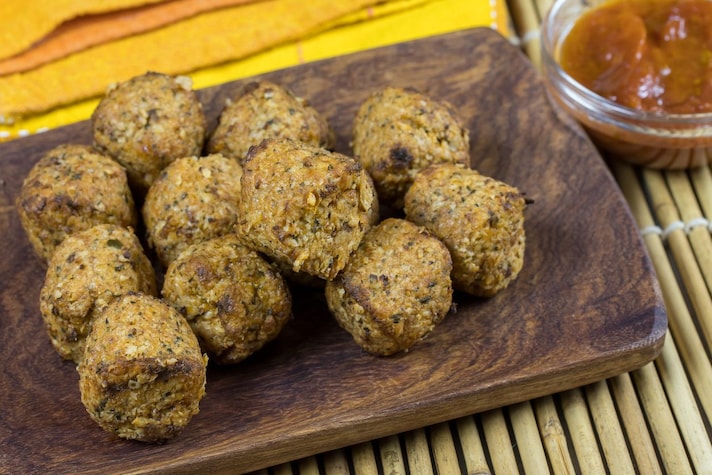
Moving to the Indian Ocean, however, we find the islands of Réunion and Mauritius, which offer another unique interpretation of Creole cuisine, always enriched by French, African, and Indian influences, with dishes such as cari (curry), based on meat or fish cooked with spices and served with rice, red lentils (the same ones used in dahl) and achards (a characteristic condiment of pickled vegetables); rougail saucisse, prepared with smoked sausages cooked in the typical rougaille sauce with tomato, onion, ginger and chili pepper; and gateau piment, fried balls of red lentils or shelled yellow split peas, spiced and similar to falafel.
The final stop: the Seychelles, with a Creole cuisine also influenced by African, French, and Indian traditions, featuring abundant fresh fish and seafood, seasoned with spices such as nutmeg, vanilla, cloves, and ginger. Must-trys include the extremely popular pwason griye, grilled fish (usually red snapper or rabbitfish) served with a Creole sauce of tomato, onion, garlic, and ginger; octopus curry, a creamy dish made with coconut milk, garlic, ginger, onion, and cinnamon; and ladob banana, a dessert featuring the archipelago's signature fruit (there are more than 23 varieties) cooked with sweet potatoes, coconut milk, nutmeg, and vanilla, for a flavor that, needless to say, is pleasantly spicy.
;Resize,width=767;)
