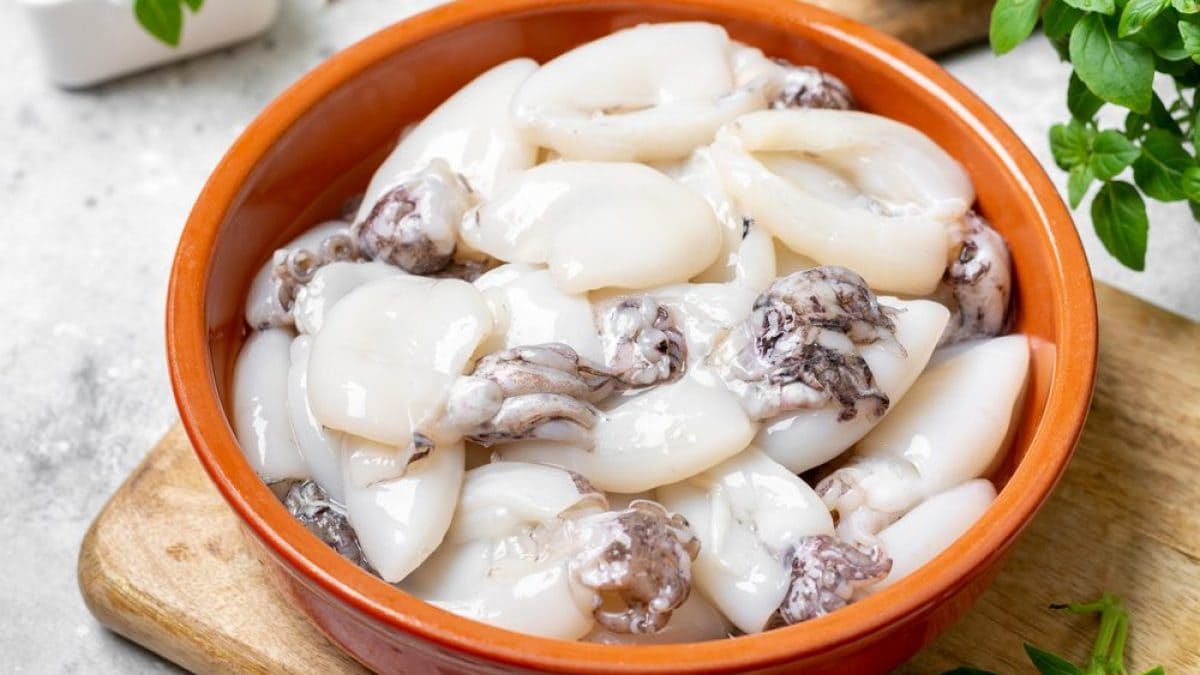
Cuttlefish are very easy to recognize among the many mollusks that populate the sea. This cephalopod, scientifically named Metasepia, Sepia, and Sepiella (there are, in fact, three genera), has ten tentacles, two of which are equipped with suckers, essential for hunting. They also have an internal shell called a bone, and a sac filled with black ink that they empty as a defensive measure when they sense danger. You've surely tasted them, because cuttlefish are so popular on many tables for their intense flavor and excellent versatility: a must-have in seafood salads of all kinds, they can be the protagonist of delicious main dishes that exploit all their parts, including the black ink, which becomes a very delicious condiment.
Their deliciousness, however, isn't the only reason you should include cuttlefish in your diet: these mollusks have a very complete and interesting nutritional profile. Rich in proteins, vitamins, and minerals, cuttlefish are extremely low in calories and energy, excellent for those who prefer tasty yet light dishes. Let's look at the numerous beneficial properties of cuttlefish and the very few contraindications you should be aware of.
Cuttlefish's Properties and Benefits
From a nutritional standpoint, cuttlefish are a very interesting mollusk: particularly low in calories (100 grams contain just 70 kcal), they are rich in high-biological-value proteins; virtually free of fat and sugar, they are an excellent source of vitamins and minerals, especially selenium, phosphorus, iron, copper, and zinc. How does all this wealth translate into positive effects on your body? Here are all the benefits of regular cuttlefish consumption.
1. Weight-Management Allies
Cuttlefish are often included in weight-loss and low-calorie diets because they are very low in calories, easy to digest, and low in cholesterol. Furthermore, thanks to their good fiber content, they are highly satiating and promote intestinal motility, thus supporting good gastrointestinal health.
2. They Protect Bones, Teeth and Muscles
The richness of vitamins and minerals in cuttlefish is a valuable aid in protecting various organs in our body, particularly bones, teeth, and muscles due to the presence of vitamin D and minerals such as iron, phosphorus, potassium, zinc, and copper. Furthermore, vision and metabolism are also supported, thanks to the presence of vitamin A, vitamin B1, and vitamin B2.

3. Heart's Allies
Cuttlefish have a very positive effect on the heart and cardiovascular system thanks to the potency of potassium and, above all, the composition of the black ink the mollusks use as a defense. Science has shown that the liquid has properties capable of stimulating the dilation of blood vessels and reducing blood pressure. Furthermore, cuttlefish are the focus of several regenerative medicine studies for their ability to promote the formation of new cells, particularly blood cells.
4. Support the Gastrointestinal System
Cuttlefish are rich in antioxidant and antimicrobial properties (mainly present in their ink) which, according to science, could have a protective effect on the intestinal mucosa, in particular to counteract the pharmacological damage caused by invasive treatments such as, for example, chemotherapy.
5. Support Brain Health
Vitamin B1 (thiamine) and vitamin B12 (cobalamin), both abundant in cuttlefish, are essential for proper nervous system function and can help improve memory and concentration, as well as providing an anti-stress effect. Other nutrients found in shellfish, such as calcium, phosphorus, and protein, contribute to the health of brain cells, thus supporting cognitive ability and overall healthy brain function.

Cuttlefish's Contraindications
Cuttlefish are among the foods with the fewest side effects, barring any allergies to shellfish or other types of fish. The only precaution regarding their consumption is in the presence of certain specific health conditions: cuttlefish is largely composed of connective tissue, primarily of protein origin, which is why it is not recommended for gout and hyperuricemia. Furthermore, those suffering from digestive disorders or gastritis are advised to choose small or medium-sized cuttlefish over large ones and not to consume excessive quantities.
;Resize,width=767;)
