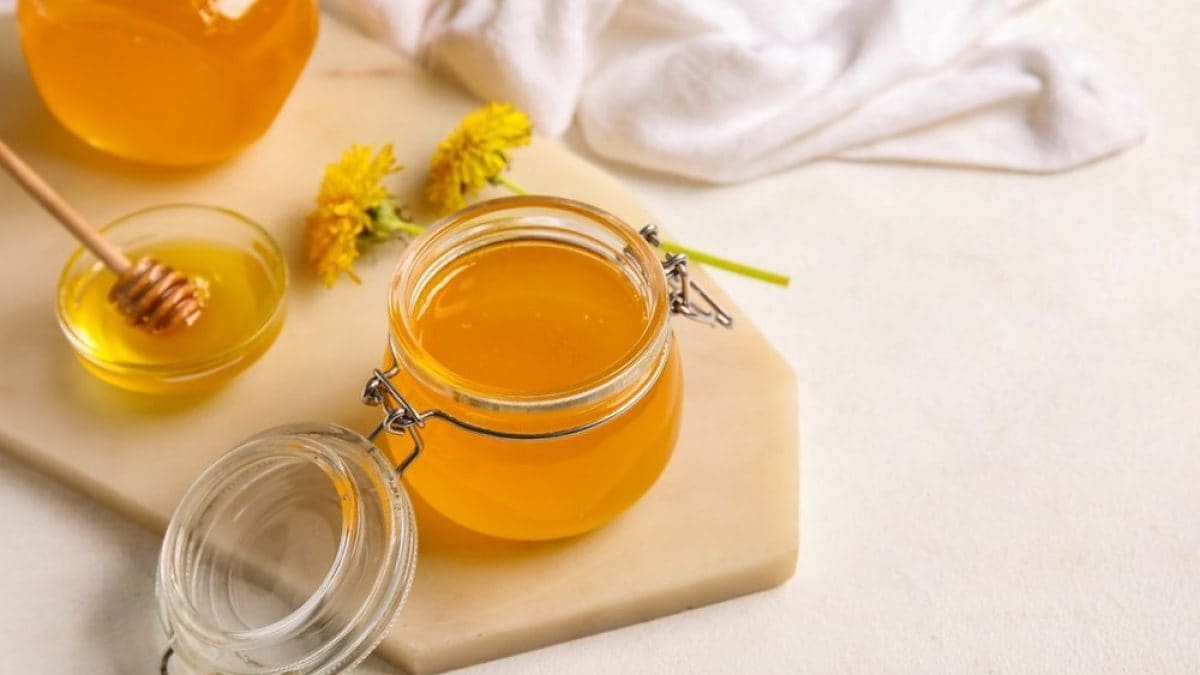
Sweet, colorful, fragrant, and particularly beneficial for the body: honey is a precious natural product, an essential ingredient in your kitchen that allows you to prepare countless recipes, from sweet to savory. It's difficult to say how many types of honey exist: in the U.S. alone, there are more than 300 different types, some more common and others rarer. This second category of less commercial honey includes dandelion honey, a very particular type obtained from the flower of the same name, known as the dandelion. When it turns into a white wad, you use it to make a wish by blowing on it.
Beyond its poetic appeal, the dandelion is a highly prized flower, used since medieval times in cooking—it falls into the category of edible flowers —but above all for its many beneficial properties, which have given rise to a whole series of fascinating legends. From the pollen of dandelion flowers, a honey is obtained that boasts the same properties as the flower itself, a rare product because it is difficult to obtain pure, but truly precious. Let's take a look at its characteristics, its beneficial properties, and its uses in cooking.
Dandelion Honey's Characteristics
Dandelion honey is a monofloral honey with a distinctive flavor, a bright yellow color, and a very intense aroma. It is highly prized for its purifying and diuretic properties, just a few of the many benefits it provides to our body. This particular honey is extracted from the pollen of dandelion flowers and is not among the easiest to produce, which is why it is less commercially viable than other honey varieties (beware of "fake" dandelion honey: it is a compound obtained from the flowers and can be made at home, but it is not real honey).

Dandelion flowers early, between February and May, at a time when there aren't many bees in the hives yet, so few animals come out to collect nectar. Furthermore, it's difficult not to find it "contaminated" by other flavors: being geographically close to other honeys, it's almost normal for it to mix with other honeys, so beekeepers have a hard time extracting it pure. The effort to obtain it pays off with a truly unique honey: you can recognize it immediately because it has a very strong, pungent, penetrating odor, often described as ammoniacal, but don't be scared, because the flavor is quite the opposite: very sweet, similar to chamomile tea. The color is a beautiful, bright yellow, reminiscent of gold.
Dandelion Honey's Properties and Benefits
Dandelion honey contains the same components found in the flower, particularly a rich source of vitamins and minerals, and in fact offers the same benefits as the plant itself. In particular, it is considered an excellent purifier thanks to its strong diuretic properties, a valuable aid in promoting the elimination of toxins from the body and stimulating liver function, which is why it is often recommended for those suffering from water retention, bloating, or urinary disorders. Dandelion honey is also very useful for the gastrointestinal system, in particular, it is a valuable aid in promoting proper digestion and alleviating minor ailments such as the feeling of fullness, slow digestion, loss of appetite, and flatulence. This honey is also an excellent source of energy: a spoonful a day taken in its raw state can be an excellent natural tonic.

Usage and Storage Tips
Dandelion honey has a particularly creamy consistency, making it ideal for spreading on toast, adding to yogurt, and cereals. It's also excellent with cheeses, especially those with a spicy or very mature flavor, and is versatile enough to be used in marinades for grilled meat or vegetables. A valuable ingredient in sweet recipes, especially in custards and cakes, it can also be used to sweeten hot drinks such as herbal teas, tea, or milk.
Like all honey, dandelion honey should be stored away from direct sunlight and heat sources, in a cool, dry place, and avoid significant temperature fluctuations. Additionally, however, this honey crystallizes particularly quickly, which is why it often needs to be heated before use: be careful never to exceed a temperature of 104°F/40°C, beyond which it loses its nutritional and flavorful properties.
The safest way to return dandelion honey to its liquid state is to heat it in a bain-marie, where the jar of crystallized honey is immersed in hot water until the product inside softens. This is a gentle technique that prevents the honey from being ruined, but be careful to measure the water with a food thermometer and not to exceed 104°F/40°C.

