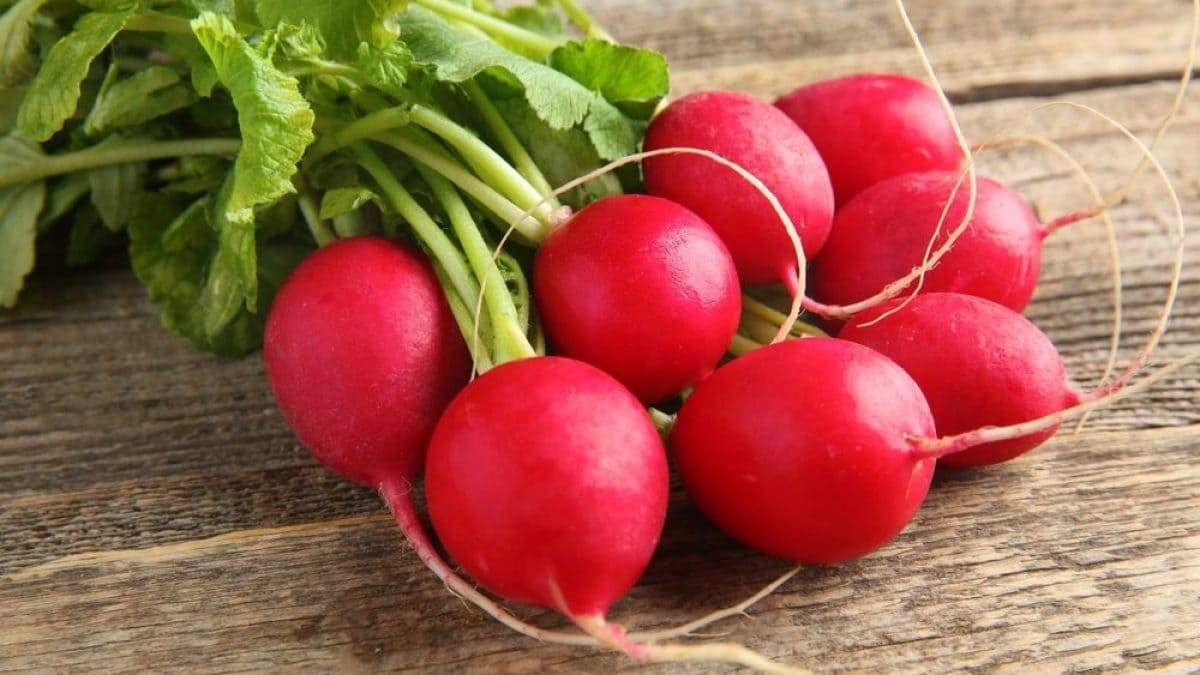
Radishes are a beloved vegetable in Asian cuisine, but they're also carving out a niche in our own cuisine. They're the root of the Raphanus sativus plant, a member of the Brassicaceae family (the same as cabbage and broccoli) and native to Asia. Radishes have been known since ancient times for their many beneficial properties: it's said that, in ancient Egypt, they were consumed in large quantities by the pyramid builders because they guaranteed strength, energy, and muscle tone.
Characterized by a small, round shape, with colors that vary depending on the species—those common in the U.S. are mostly red, while in Japan the white daikon is widely used —they are much loved for their crunchy flesh and fresh, spicy flavor. In our cuisine, they have always been used as a side dish or condiment, but in recent years, chefs and food enthusiasts have begun to explore the many potentials of this versatile vegetable, which can be eaten raw or cooked. Here is a short guide to the world of radishes, their benefits, and the best ways to use them in the kitchen.
Radishes' Properties and Benefits
Composed primarily of water and therefore incredibly diuretic, radishes have a low glycemic index and are decidedly low in calories (just 15 calories per 100 grams). Looking at their nutritional profile, it immediately stands out that they are a significant source of vitamin C (about 14.8 mg per 100 grams), but they also contain B vitamins, fiber, and minerals, particularly potassium, calcium, and phosphorus. The chemical composition of radishes contains no traces of cholesterol, and they are virtually free of fat and protein, while they are abundant in carotenoids (beta-carotene and lutein/zeaxanthin), plant pigments that act as antioxidants. Known since ancient times, particularly in Chinese and Japanese cuisine, radishes have many beneficial effects on the body, so much so that they are widely used in phytotherapy.

1. Diuretic and Purifying Effect
Radishes are known for their strong diuretic and purifying properties. Being composed primarily of water and rich in potassium, they promote the elimination of excess fluids, helping to combat water retention. Furthermore, their consumption helps eliminate waste and toxins, supporting the functioning of the liver and kidneys.
2. Detoxifying Effect
In addition to stimulating diuresis, radishes have a cleansing effect, acting primarily on the liver, gallbladder, and kidneys thanks to their high water, fiber, and sulfur content. They are also rich in antioxidants that support detoxification and fiber, which helps eliminate harmful waste products from the body.
3. Help for The Intestine and Liver
The nutrients present in radishes make them excellent natural allies for liver and intestinal health. Regular consumption of these vegetables stimulates digestion, counteracts intestinal gas formation, and promotes intestinal motility thanks to their high fiber content. Thanks to their ability to help regulate bilirubin levels, they are useful for those suffering from jaundice. Furthermore, radishes contain a series of sulfur compounds, particularly isothiocyanate: these are the substances that give these vegetables their typical pungent and slightly spicy flavor, but they also perform protective actions for the body, particularly at the digestive and liver levels.
4. Support the Immune System
The vitamin C and carotenoids found in radishes help fight oxidative stress and inflammation. Thanks to their composition, they are considered effective natural remedies to help the body fight infections, colds, and fevers, especially when consumed as an infusion or juice. When consumed raw, especially during seasonal changes, they promote the body's resistance and help strengthen the immune system.
5. Anti-Inflammatory and Antioxidant Action
The flavonoids and other bioactive compounds in radishes exert an antioxidant effect, helping the body fight free radicals. This action is essential because it helps reduce oxidative stress and systemic inflammation, helping to prevent chronic diseases.
6. Friends of The Heart
The good potassium content in radishes helps maintain normal blood pressure by acting as a vasodilator and counteracting the negative effects of sodium. Furthermore, the nutritional profile of radishes can help support good cardiovascular health.

Radishes' Contraindications
Radishes are one of the safest vegetables and have no particular contraindications. However, like other vegetables in the cruciferous family, excessive consumption can cause intestinal fermentation and bloating. In some specific medical conditions, consuming radishes may cause some adverse effects. In particular, excessive consumption is not recommended for those who already suffer from gastric or intestinal mucosal irritation. Those suffering from gastritis, ulcers, colitis, and kidney and urinary tract diseases should consult a doctor before consuming them. Radishes also contain goitrogens, plant-based molecules that may affect thyroid function by interfering with metabolism. If you have thyroid problems, it's best to consult a specialist for appropriate consumption.

Recommended Daily Amounts
As mentioned, radishes are a light vegetable rich in water, vitamin C, and minerals, which aid digestion and hydration. A recommended daily intake is about 80-100 grams, equivalent to 5-7 medium radishes. Consuming too much of them can be irritating for those with gastritis or sensitive gut.
How to Use Radishes in Cooking
Once you've purchased the freshest radishes, you can choose whether to eat them raw or cooked. If you're using raw radishes, simply clean them, slice them into rounds, and use them to add a fresh, crunchy touch to your salads, enhance rich poké bowls, or use them in a flavorful dip (perhaps after soaking them in ice water for 30 minutes to enhance their crunchiness). Raw radishes are also excellent stuffed with a creamy filling as an appetizer, or added to pasta for a crunchy touch. If you prefer to experiment with delicious recipes using cooked radishes, you can mix them with eggs to make a flavorful radish omelette, or you can pan-fry them for a healthy, versatile, and tasty side dish.

;Resize,width=767;)
