
It is a painful scenario that plays out in historic plazas, neon-lit alleys, and coastal boardwalks all over the world. You touch down in a dream culinary destination—whether it’s Rome, Tokyo, or Mexico City—and your stomach starts rumbling. Naturally, you pull out your phone, open up a standard American review app like Yelp or TripAdvisor, and head toward the highest-rated spot within walking distance.
An hour later, you find yourself sitting at a crowded table surrounded entirely by fellow tourists speaking English. You are eating an overpriced, distinctly mediocre meal that has been subtly altered to appeal to Western palates, while a legendary, family-run eatery sits completely unlisted and vibrant just two blocks away.
Relying on US-centric crowd-sourced review platforms while traveling abroad is a one-way ticket to a curated tourist bubble. Because these apps are primarily used by tourists, their rating systems reward English menus, familiar flavor profiles, and proximity to major landmarks rather than actual culinary excellence.
To experience the true gastronomic soul of a foreign country, you have to ditch the tourist apps and learn to read the digital and physical landscape like a professional food travel writer.
1. Decode Google Maps in the Local Language

While Yelp is practically non-existent outside of North America, Google Maps is a global utility. However, the secret isn't just looking at the overall star rating; it is looking at who is leaving those stars. When you tap on a restaurant on Google Maps, scroll down to the reviews and look at the language distribution. If all the five-star reviews are written in English, German, or French, you are looking at a tourist trap.
The Hack: Look for spots where the overwhelming majority of reviews are written in the country's native language. Google Maps features a built-in "Translate" button for every review. Read what the locals are saying. A 4.1-star restaurant reviewed entirely by locals speaking the native tongue will almost always serve a vastly superior, more authentic meal than a 4.7-star restaurant reviewed entirely by vacationers.
2. Download the Region's "Hyper-Local" App

Every major culinary region has its own homegrown version of a dining directory that locals actually swear by. Before you catch your flight, download the digital platform native to your destination:
- In Japan: Skip everything else and use Tabelog. Be warned: Japanese reviewers are notoriously brutal. A 3.5-star rating on Tabelog is considered an exceptional, elite restaurant, whereas a 4.0 is practically a Michelin-level masterpiece.
- In China: Use Dianping to find everything from underground dumpling stalls to high-end hot pot.
- In Europe and the UK: Look into TheFork (owned by TripAdvisor but heavily utilized by locals for reservations and neighborhood gems).
3. Master the Visual "Red Flags" of the Street
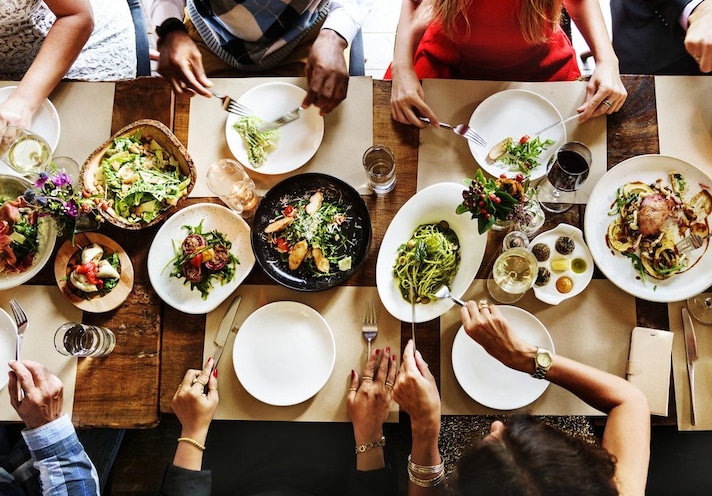
When you are walking the pavement scouting for a dinner spot, you can easily filter out the traps within three seconds just by analyzing the storefront. If a restaurant has a host standing out on the sidewalk actively waving a menu at passersby, inviting them inside in multiple languages, walk away immediately. Truly spectacular local restaurants do not need to beg for foot traffic; their reputation and local clientele fill the seats naturally.
Additionally, avoid restaurants that display large, laminated posters featuring faded photographs of the food outside. Look instead for menus that are remarkably short, printed on simple paper, and written primarily (or exclusively) in the local language. A short menu means the kitchen focuses on doing a few regional dishes flawlessly, rather than trying to freeze and reheat fifty different items to please picky tourists.
4. The "Multi-Generational" Crowd Test

The old travel advice of "look for a crowd" is inherently flawed in the modern era. Thanks to social media, a terrible restaurant can have a line wrapped around the block simply because it has an "Instagrammable" neon sign or a viral, gimmicky dessert. Instead, look for a specific kind of crowd. Look through the window of the restaurant. Do you see multi-generational families eating together? Do you see local workers stopping in alone for a quick bite? Do you see groups of friends laughing over drinks without a single smartphone camera out recording the table? If you spot a room filled with locals spanning from toddlers to grandparents, you have successfully found a neighborhood institution that prioritizes consistent flavor and fair pricing over internet hype.
5. Ask the Right People the Right Question
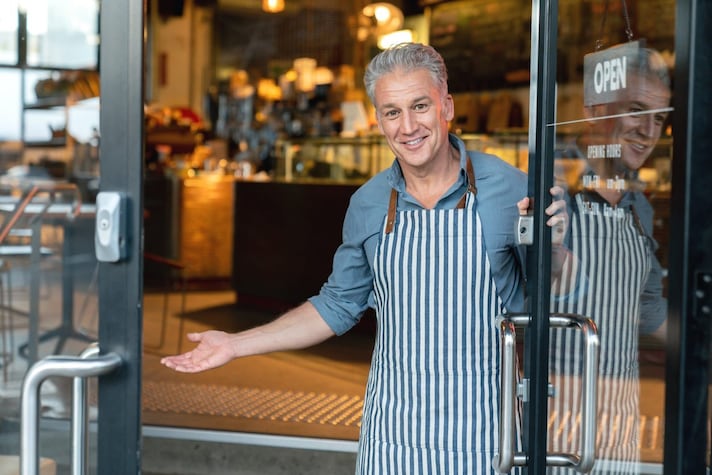
Asking an international hotel concierge or a tour guide for a restaurant recommendation is a trap. They are trained to send you to high-end, tourist-friendly establishments that offer English-speaking service, or worse, spots where they receive a quiet kickback for sending traffic.
Instead, seek out people embedded in the local service industry who don't stand to profit from your choice: local bartenders at cocktail lounges, specialty coffee baristas, or taxi drivers. When you ask them for advice, change your phrasing. Don't ask, "Where is a good restaurant around here?" That question prompts them to think about what a tourist would like. Instead, ask: "Where do you go to eat with your family on your night off?" This psychological shift forces them to bypass the tourist recommendations and give up the location of their personal, treasured neighborhood joints.
;Resize,width=767;)
