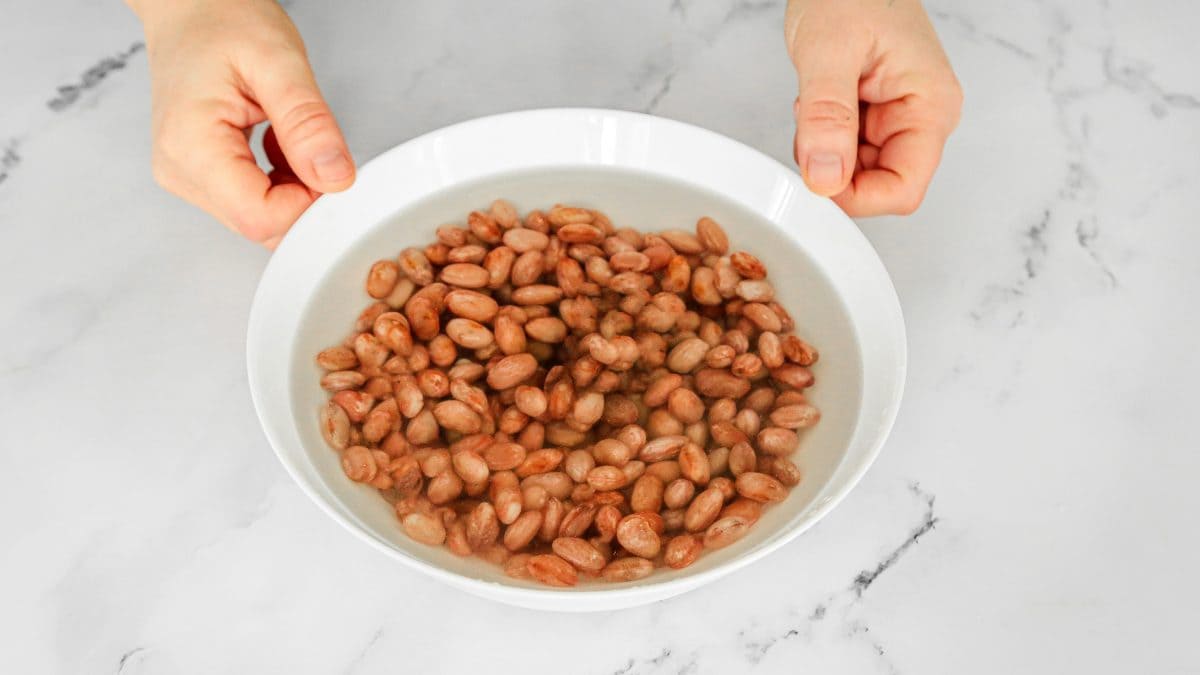
Canned beans are the undisputed champions of the modern weeknight dinner. They are affordable, shelf-stable, packed with plant-based protein, and entirely cooked through before they even hit your grocery cart. Whether you are throwing together a quick three-bean salad or building a complex vegetarian chili, they are the ultimate shortcut to a satisfying meal.
But almost every recipe on the internet starts with the exact same command: Drain and rinse your beans.
This absolute directive has created a generational divide in the kitchen. Half of home cooks wouldn’t dream of skipping the colander, while the other half routinely dumps the entire contents of the can straight into the pot. Is that thick, viscous liquid a culinary hazard, or are we literally pouring flavor down the drain? The short answer is: No, you do not always need to rinse them. It all depends on what you are making.
Why People Rinse: Sodium, Slime, and Science
The cloudy, somewhat gelatinous liquid inside a can of beans is a natural byproduct of the canning process. The beans are sealed in a brine of water and salt, and then cooked under high pressure inside the can. During this process, the beans release natural starches and proteins into the liquid, creating that distinct thick texture. For many culinary traditionalists, rinsing is non-negotiable for three major reasons:
- The Sodium Factor: The liquid is highly seasoned to preserve the beans. If you are monitoring your salt intake, food scientists have noted that draining and thoroughly rinsing canned beans can reduce their sodium content by up to 41 percent.
- The "Gas" Elimination: Beans contain complex sugars called oligosaccharides that the human body struggles to break down, which can lead to digestive discomfort. Because these sugars leach out into the canning liquid during processing, rinsing the goop away helps make the beans much easier on your stomach.
- Aesthetic Preservation: If you are making a fresh corn-and-black-bean salsa, a cold tuna-and-cannellini salad, or crispy roasted chickpeas, that viscous liquid will actively ruin the dish. It prevents dressings from clinging to the beans, turns fresh vegetables a muddy gray color, and keeps the skins from getting crispy in the oven.

When to Skip the Rinse
Despite the warnings of the rinse-always camp, culinary experts from The Kitchn and Serious Eats advocate for saving the juice—often referred to as liquid gold—in specific recipes. When you are preparing hot, liquid-based dishes like soups, stews, or chilis, the canning liquid acts as a phenomenal, built-in culinary tool. Because it is highly saturated with bean starches, dumping the entire can into your pot introduces a natural thickening agent. It gives a simple vegetable broth an unctuous, velvety body and rich mouthfeel without requiring you to make a flour roux or a cornstarch slurry.
Furthermore, if you are opening a can of chickpeas, that liquid is legally known as aquafaba. This starchy water mimics the exact foaming properties of egg whites. Vegan bakers and mixologists routinely save chickpea liquid to whip into plant-based meringues, faux-egg-white whiskey sours, and incredibly creamy homemade hummus.
The Master Rule for Your Kitchen Counter
To keep your weeknight cooking as streamlined as possible, you can boil the entire debate down to one incredibly simple rule of thumb: if your beans are going into a dry, cold, or crisp dish (like salads, tacos, or baking sheets for roasting), grab the strainer and rinse them until the water runs completely clear. If your beans are going into a wet, hot, or saucy dish (like minestrone, chili, or pasta e fagioli), bypass the colander entirely and let those natural starches work their magic to thicken your sauce.
;Resize,width=767;)
