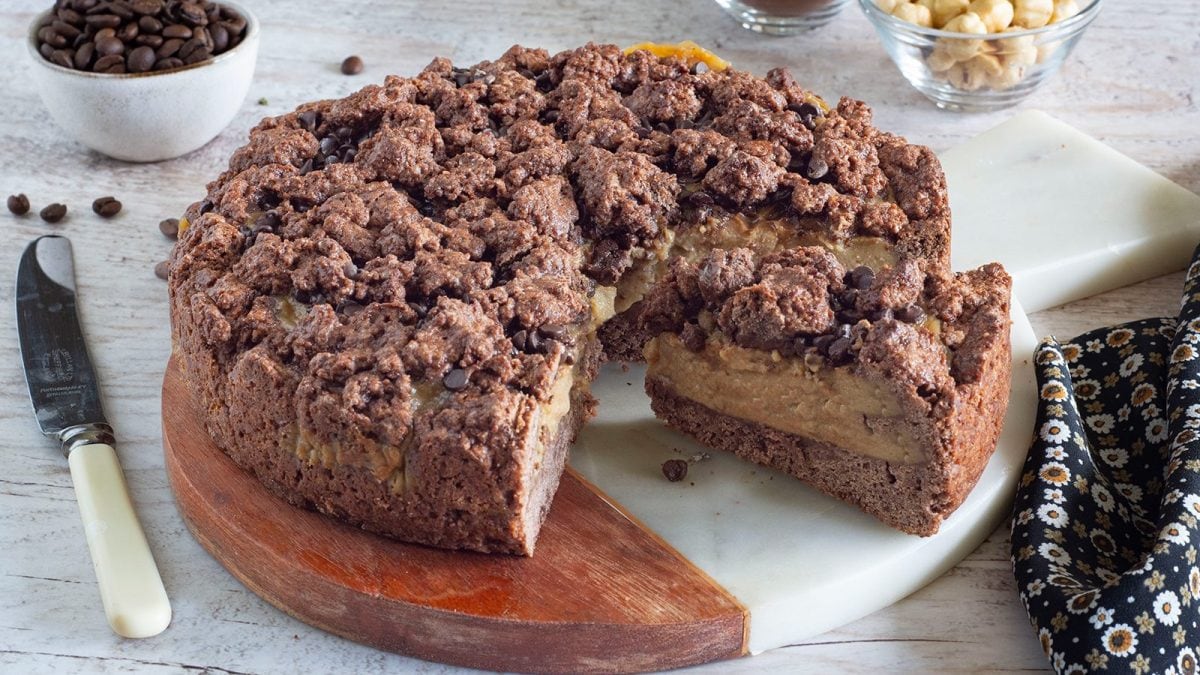
You pull a warm, golden slice of streusel-topped cake out of the bakery box, pour yourself a cup of morning coffee, and take a bite. You taste cinnamon, brown sugar, rich butter, and maybe a hint of nutmeg or toasted pecans. What you won’t taste is espresso or roasted coffee beans. Despite its name, standard American coffee cake contains zero actual coffee.
For generations, this naming quirk has confused morning diners and home bakers alike. If there isn’t a drop of coffee inside the batter or the crumbly topping, how did this classic breakfast staple get its name?
A Name Built on Pairing, Not Ingredients
The short answer comes down to intent: American coffee cake is named for how it is consumed, not what is in the recipe. Much like tea sandwiches don't have tea leaves inside them, coffee cake earned its moniker because it was specifically created to be eaten alongside a hot cup of coffee or tea. The rich, buttery texture and sweet, spiced flavor profile were designed to complement the bitter, acidic notes of roasted coffee.
The European Roots: Kaffeekuchen
The concept traces back to 17th-century Northern and Central Europe—particularly Germany, Denmark, and Holland. As coffee imports flooded into Europe, sweet yeast breads enriched with fruit, nuts, and spices became popular morning treats to serve beside the beverage. The Germans called this tradition Kaffeekuchen (literally "coffee cake").
When Dutch and German immigrants settled in North America during the 19th and 20th centuries, they brought these sweet bread traditions with them. Over time, American home cooks replaced the slow-rising yeast bases with fast-acting chemical leaveners like baking powder and baking soda, transforming dense European breads into the moist, crumbly cakes we know today.

What Actually Goes Into a Classic Coffee Cake?
If there isn't any coffee in the mix, what gives a classic coffee cake its distinct flavor and rich texture? Traditional recipes rely on three core components:
- The Tangy, Tender Base: Most authentic American recipes use sour cream, buttermilk, or Greek yogurt in the batter. The acidity breaks down gluten and yields an extraordinarily soft, moist, and tender crumb.
- The Cinnamon-Sugar Swirl: A ribbon of dark brown sugar, ground cinnamon, and occasionally cocoa powder or finely chopped nuts is layered straight through the middle of the batter.
- The Streusel Topping: The hallmark of a great coffee cake is a thick layer of streusel (from the German word for "sprinkle" or "strew"). Made from cold butter, flour, sugar, and spices rubbed together into coarse crumbs, it bakes into a crunchy, caramelized crust.
The British Exception
If you order a slice of "coffee cake" in the United Kingdom or Australia, you are in for a completely different experience. In British baking, coffee cake is flavored with real coffee. The iconic British Coffee and Walnut Cake features a sponge cake infused with liquid espresso or instant coffee granules, sandwiched together and topped with a sweet, coffee-flavored buttercream and whole walnuts.
If you are following an American recipe, expect a cinnamon-streusel breakfast cake designed to accompany your mug. If you are baking a British recipe, expect a caffeine-infused dessert.
How to Add Real Coffee to Your Coffee Cake
If you love the idea of a true coffee-flavored coffee cake, you can easily tweak a classic recipe to add a caffeine kick:
- Dissolve Instant Espresso: Whisk 1 to 2 tablespoons of instant espresso powder into the wet ingredients (or directly into the melted butter for the streusel topping) for a deep, mocha-like undertone.
- Substitute Coffee Liquid: Swap out 2 to 3 tablespoons of the milk or liquid in the batter recipe for strong, room-temperature brewed coffee.
- Add an Espresso Glaze: Whisk 1 cup of powdered sugar with 2 tablespoons of warm, strong coffee and a dash of vanilla extract, then drizzle it over the cooled streusel before serving.


