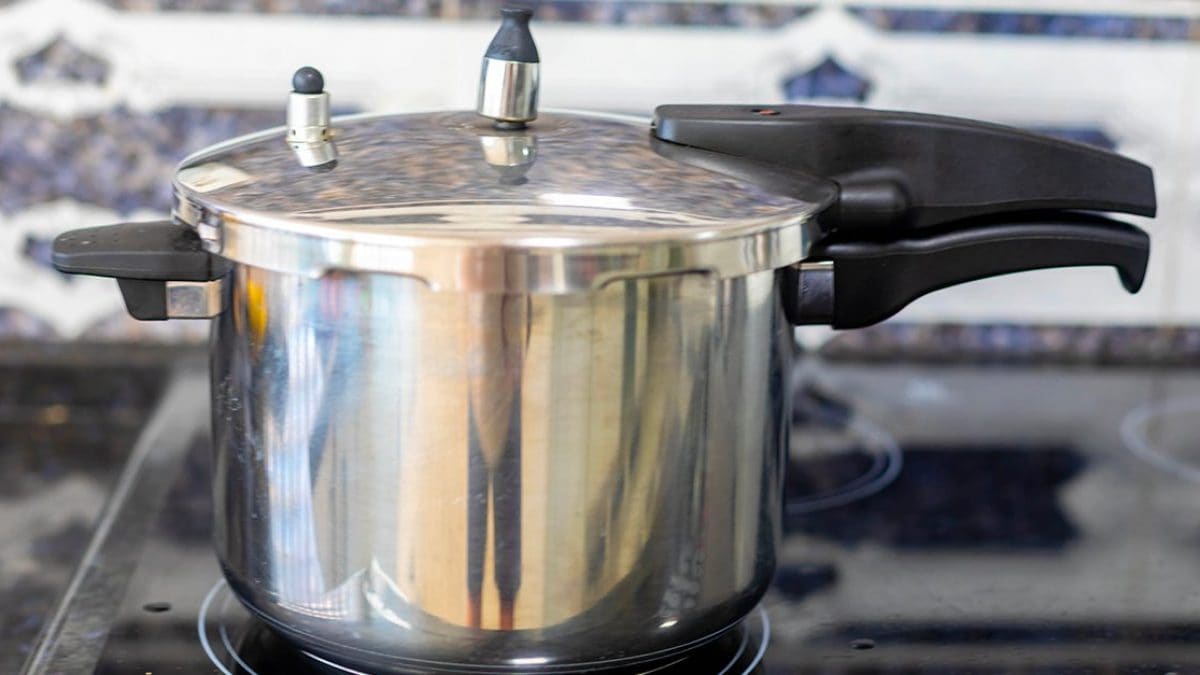
Cooking food is a process that can significantly affect its nutritional content, particularly with regard to vitamins, minerals, and antioxidants. A widespread cooking myth is that cooking with a pressure cooker reduces the nutritional value of foods. This is a hoax because, in fact, the pressure cooker (by reducing cooking times) actually reduces the loss of vitamins and other beneficial properties from our food. In fact, the pressure cooker, thanks to its ability to cook food at high temperatures in a short time, offers distinct advantages in nutrient preservation compared to other, more prolonged cooking methods.
How The Pressure Cooker "Safeguards" Vitamins
Let's start by saying: generally speaking, any type of cooking reduces the beneficial properties of foods. There are obviously exceptions , but in general this is the case, and one of the cornerstones of the raw food philosophy lies precisely in this nutritional aspect. One of the most important aspects of pressure cooking for this "medium" theme concerns water-soluble vitamins, such as vitamin C and some B vitamins, which are particularly sensitive to thermal degradation and prolonged exposure to heat. Scientific studies show that longer cooking methods, such as boiling, can cause a significant decrease in vitamin content. For example, boiling can reduce vitamin C content by up to 60%, while pressure cooking, thanks to the shorter cooking times and sealed environment, preserves a greater percentage of these precious nutrients.

Research published in NutritionFacts analyzed the effect of pressure cooking on glucosinolates, beneficial compounds found in cruciferous vegetables such as cabbage and broccoli. The results showed that, although cooking reduces the presence of these compounds, the loss is significantly lower than traditional boiling. Specifically, boiling eliminated approximately 75% of the glucosinolates, while pressure cooking preserved more than half, proving more effective at preserving the nutritional properties of the vegetables. An additional advantage of the pressure cooker is its ability to cook foods in a closed environment, reducing exposure to oxygen and light, factors that can contribute to the degradation of vitamins and antioxidants. Furthermore, the use of pressure cooking has demonstrated benefits in protein digestibility and the reduction of antinutritional compounds, as highlighted in a study published in PubMed that examined the preparation of bean pods. All these studies therefore demonstrate that the reduction in the beneficial properties of foods cooked in the pressure cooker is real but is still inferior to a more "traditional" cooking method.
;Resize,width=767;)
