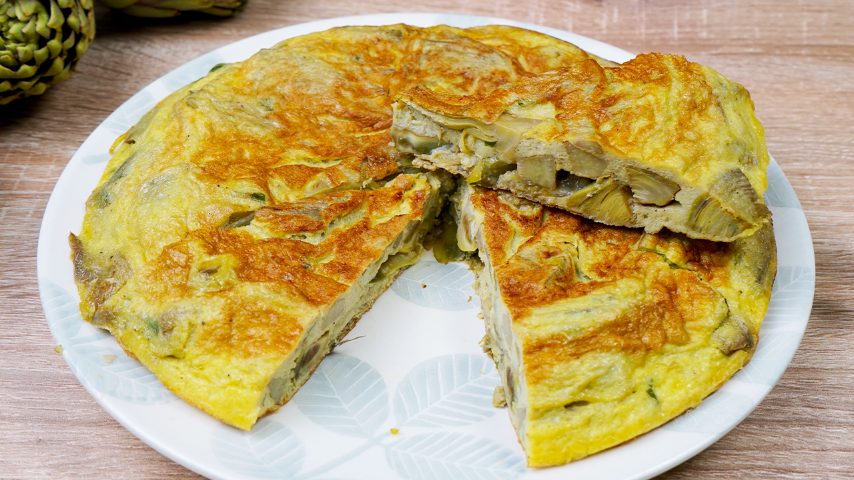
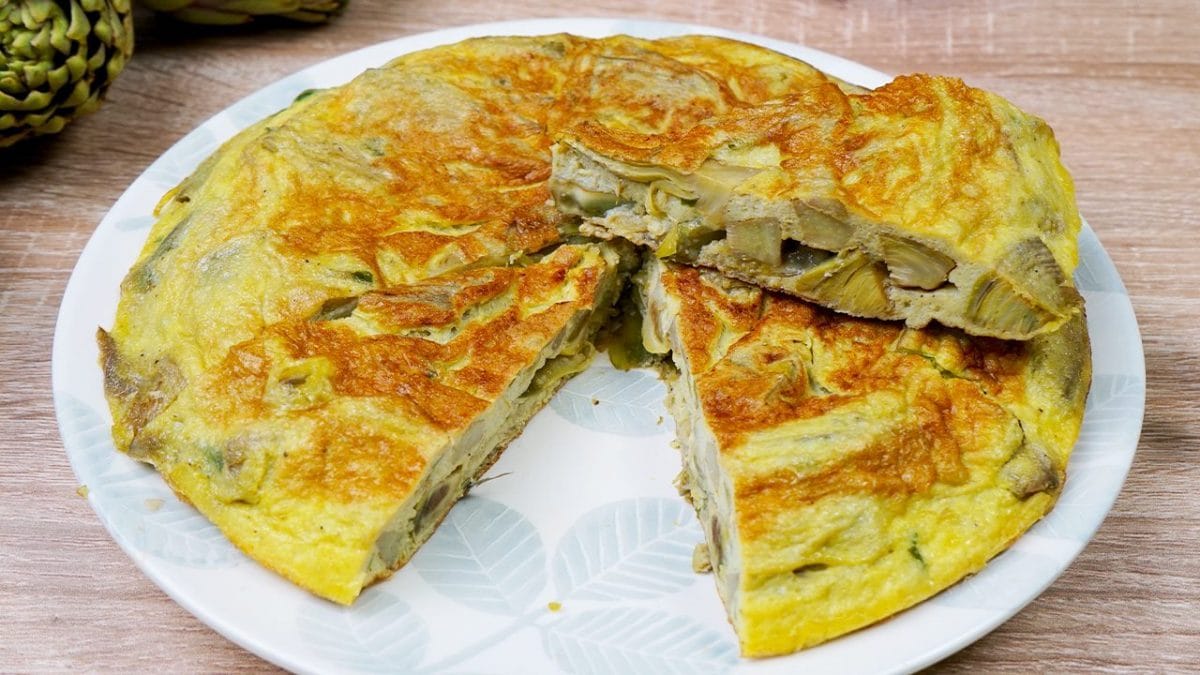
Artichoke Frittata is a simple yet satisfying dish that combines tender artichokes, fluffy eggs, and savory Parmesan cheese into one perfectly golden, flavorful meal. The artichokes are sautéed with shallots and seasoned with salt, pepper, and parsley, then bound together with eggs and cooked until golden and tender.
This frittata is versatile and can be enjoyed any time of day—whether for breakfast, brunch, or a light dinner. It’s quick, easy, and perfect for making use of seasonal artichokes.
Why Everyone Will Love This Recipe
Here’s why this artichoke frittata will quickly become a favorite:
- Simple and easy: With just a few ingredients and minimal preparation, this dish comes together quickly.
- Nutritious and hearty: Packed with protein from the eggs and fiber from the artichokes, this frittata is both filling and healthy.
- Perfectly golden: Achieves that golden, crispy edge that makes frittatas irresistible.
- Customizable: Add herbs, cheese, or even a few extra veggies for a twist.
- Great for any meal: Serve it for breakfast, lunch, or dinner.
What Is Artichoke Frittata?
Artichoke frittata is an Italian-style egg dish that combines artichokes with eggs and cheese, cooked gently in a pan until golden. A frittata is essentially an open-faced omelet, often cooked on the stovetop and finished in the oven, though in this recipe, it’s cooked entirely in the pan.
The frittata has its roots in Italy, where it’s a staple of everyday cooking. Artichokes, native to the Mediterranean, have been cultivated since ancient times. They were prized by the Greeks and Romans for their delicate flavor and numerous health benefits, and continue to be a key ingredient in many Mediterranean dishes. In Italy, frittatas are a popular way to use up leftovers and create a satisfying, quick meal, and adding artichokes to the mix is a classic Mediterranean twist.
Cooking Tips
- Make sure to remove all the tough outer leaves, trim the tops, and peel the stems to reveal the tender inner heart. Soaking the artichokes in lemon water prevents browning and keeps them fresh.
- Once sautéed, make sure the artichokes are tender but not mushy. Stir occasionally and cook them over medium heat to avoid burning.
- Beat the eggs before adding them to the cooked artichokes to ensure they mix evenly and cook uniformly.
- Cook the frittata on medium heat to avoid overcooking the bottom while ensuring the top sets. Lower the heat after a couple of minutes to allow the frittata to cook through without burning.
- When flipping the frittata, make sure the plate you use is large enough to cover the pan. If you prefer, you can skip the flip and cook the frittata entirely under the lid.
- Let the frittata rest for a few minutes before slicing—it will hold together better and be easier to cut.
Frequently Asked Questions
Can I Use Canned Artichokes Instead of Fresh?
Yes, you can use canned artichokes if fresh ones aren’t available. Just make sure to drain and rinse them thoroughly before using. Fresh artichokes will give a more vibrant flavor, but canned ones are a convenient alternative.
How Can I Make This Frittata Dairy-Free?
To make this frittata dairy-free, simply omit the Parmesan cheese or use a dairy-free cheese alternative. You can also use nutritional yeast for a cheesy flavor.
Can I Make This Frittata in the Oven?
Yes! After sautéing the artichokes and adding the egg mixture, you can transfer the pan to the oven to cook the frittata at 180°C (350°F) for about 10-15 minutes, or until golden and set.
What Other Vegetables Can I Add to the Frittata?
You can add various vegetables like spinach, mushrooms, tomatoes, or bell peppers to make this frittata even more flavorful and nutritious. Just sauté them along with the artichokes, or if using softer vegetables, add them to the egg mixture directly.
Can I Make This Frittata Ahead of Time?
Yes, you can make the frittata ahead of time and store it in the refrigerator for up to 2 days. Reheat in a pan over low heat, or serve it cold as a savory snack.
How Do I Know When the Frittata Is Fully Cooked?
The frittata is done when the edges are golden brown and the center is firm. You can test by gently shaking the pan—if the center jiggles too much, it needs a little more time.
How to Store Artichoke Frittata
Store leftover frittata in an airtight container in the refrigerator for up to 2 days. Reheat in a skillet over low heat to restore its crispy edges.
How to Freeze Artichoke Frittata
To freeze, allow the frittata to cool completely. Wrap it tightly in plastic wrap or foil and store it in a freezer-safe container for up to 1 month. When ready to eat, thaw in the refrigerator overnight and reheat in the oven.
Ingredients
How to Make Artichoke Frittata

To make the artichoke frittata, start by cleaning the vegetables. Remove the tougher outer leaves and the end of the stem, then peel the stem. Fill a bowl with water and add the juice of a lemon, then immerse the artichokes to prevent them from browning.
To make the artichoke frittata, start by cleaning the vegetables. Remove the tougher outer leaves and the end of the stem, then peel the stem. Fill a bowl with water and add the juice of a lemon, then immerse the artichokes to prevent them from browning.

Remove the stem and cut it into pieces, then cut off the tip of the artichokes, divide them in half and remove the internal beard with the tip of a knife.
Remove the stem and cut it into pieces, then cut off the tip of the artichokes, divide them in half and remove the internal beard with the tip of a knife.

Finally, cut the artichokes into wedges and, little by little, immerse everything in the acidulated water.
Finally, cut the artichokes into wedges and, little by little, immerse everything in the acidulated water.

Chop the shallot and sauté it with a drizzle of oil in a 22 cm diameter pan with high edges.
Chop the shallot and sauté it with a drizzle of oil in a 22 cm diameter pan with high edges.

Add the artichokes, season with salt, pepper and garnish with chopped parsley, then cover with a lid and cook for about 15 minutes, until soft.
Add the artichokes, season with salt, pepper and garnish with chopped parsley, then cover with a lid and cook for about 15 minutes, until soft.

Meanwhile, collect the eggs and grated Parmesan cheese in a bowl, salt and pepper, then beat with a fork until smooth.
Meanwhile, collect the eggs and grated Parmesan cheese in a bowl, salt and pepper, then beat with a fork until smooth.

Add the cooked artichokes and mix to incorporate and distribute them into the mixture.
Add the cooked artichokes and mix to incorporate and distribute them into the mixture.

Pour everything into the same pan used to cook the artichokes and cook over high heat for 2 minutes. Then, cover with a lid, lower the heat, and continue cooking for another 8 minutes.
Pour everything into the same pan used to cook the artichokes and cook over high heat for 2 minutes. Then, cover with a lid, lower the heat, and continue cooking for another 8 minutes.

After this time, when the first side is golden brown, turn the omelette over using a plate or the lid and cook it on the other side for another 5-6 minutes. Once ready, transfer it to a serving dish.
After this time, when the first side is golden brown, turn the omelette over using a plate or the lid and cook it on the other side for another 5-6 minutes. Once ready, transfer it to a serving dish.

Enjoy!
Enjoy!
;Resize,width=767;)
