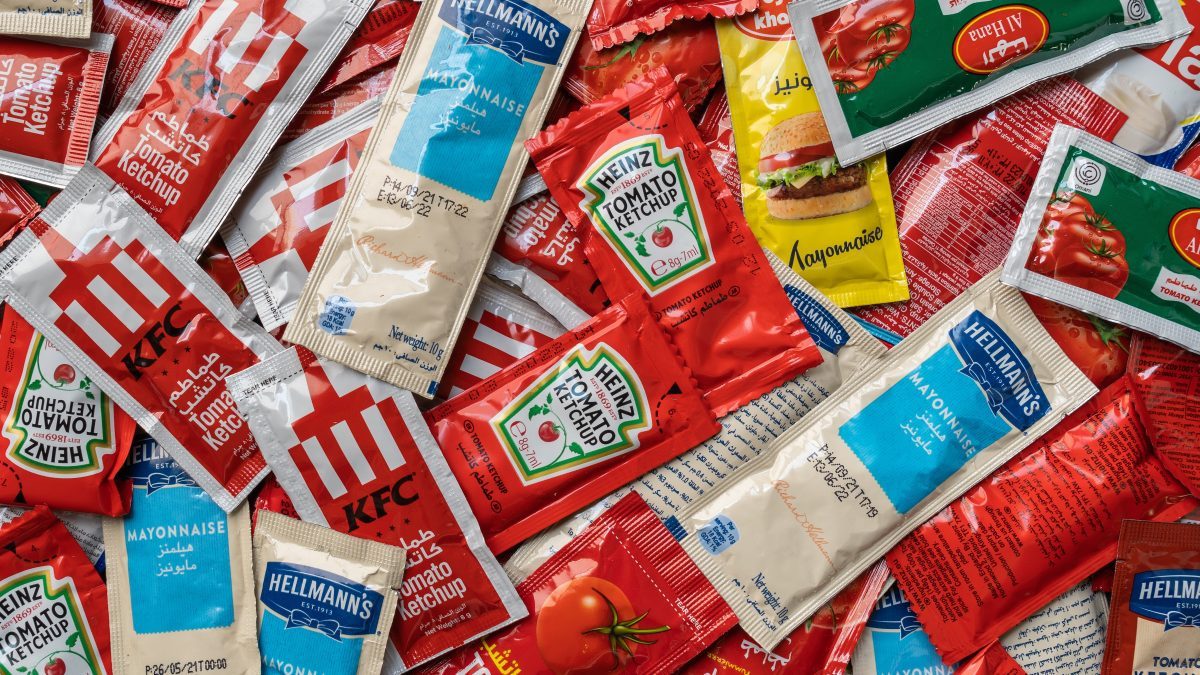
A small but decisive turning point is coming to the restaurant world: the famous single-serving sachets of ketchup and mayonnaise are about to disappear. Starting January 1, 2030, pubs, bars, pizzerias, and restaurants will ban the use of these individual packages of sauces and other condiments, such as oil and vinegar. This measure is part of a new European regulation aimed at reducing the use of single-use packaging made from non-recyclable materials.
Plastic is a Major Cause of Pollution
It seems that the plastic issue is finally moving further up the European political agenda: from January 2030, ketchup, mayonnaise, mustard, oil, and vinegar sachets will be banned in all commercial establishments. The plan is part of a broader European Union strategy called the Packaging and Packaging Waste Regulation (PPWR), which came into force in February last year and is designed to limit the environmental impact of billions of disposable packages. The goal is to reduce the per capita amount of waste by 15% by 2040, compared to 2018 levels, by introducing the use of recyclable materials and reducing unnecessary packaging. For the EU, in fact, the use of single-use plastic is a major cause of pollution, as if not disposed of properly, it can have a significant impact on the environment: according to some data, approximately half of marine litter comes from packaging. And no one can feel excluded from creating this situation: according to estimates, in 2022, each person produced approximately 186.5 kg of waste. For this reason, reducing the use of plastic and packaging that requires it becomes an absolute priority: the European Union is determined to make all packaging economically recyclable by 2030. The first step will be to ban, starting in August 2026, all packaging materials containing PFAS above the limits established by law. From January 2030, however, packaging with a recyclability rate of less than 70% will no longer be considered recyclable and cannot be placed on the market.
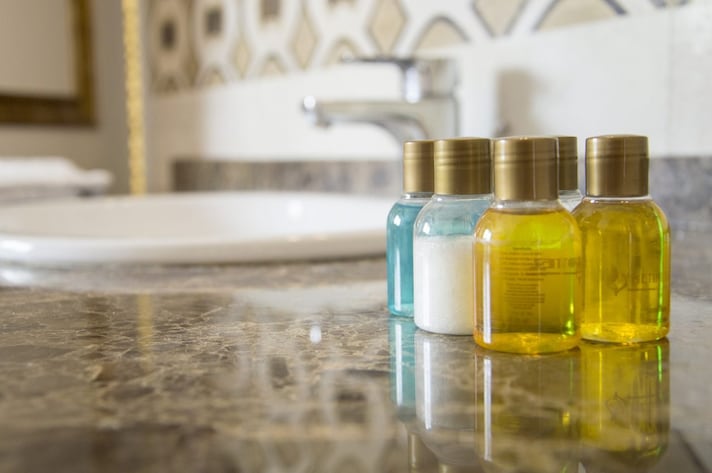
This measure will also affect takeaway food: starting in 2027, the containers used by restaurants to transport dishes will have to be replaced with recyclable materials, or establishments will have to allow customers to use their own containers, brought from home, without any extra charge. The changes, however, won't just affect food: the European Union has also extended the ban to hotels, banning the use of mini bottles of shampoo, shower gel, and soap. These could be replaced, starting in 2030, by more eco-friendly solutions, such as wall-mounted dispensers.
The Reactions
A measure of this kind, however noble, could not be without criticism and doubts. One of the main concerns among restaurateurs is the costs associated with adopting recyclable materials, often higher than those currently in use, as well as the health and hygiene implications. Alongside these doubts, however, there has been no shortage of positive reactions, especially from environmental associations but also from chefs particularly committed to sustainability, who have welcomed the new proposal with great enthusiasm. The transition, however, will be gradual, allowing all restaurateurs to dispose of the packaging already purchased and equip themselves with suitable containers.
;Resize,width=767;)
