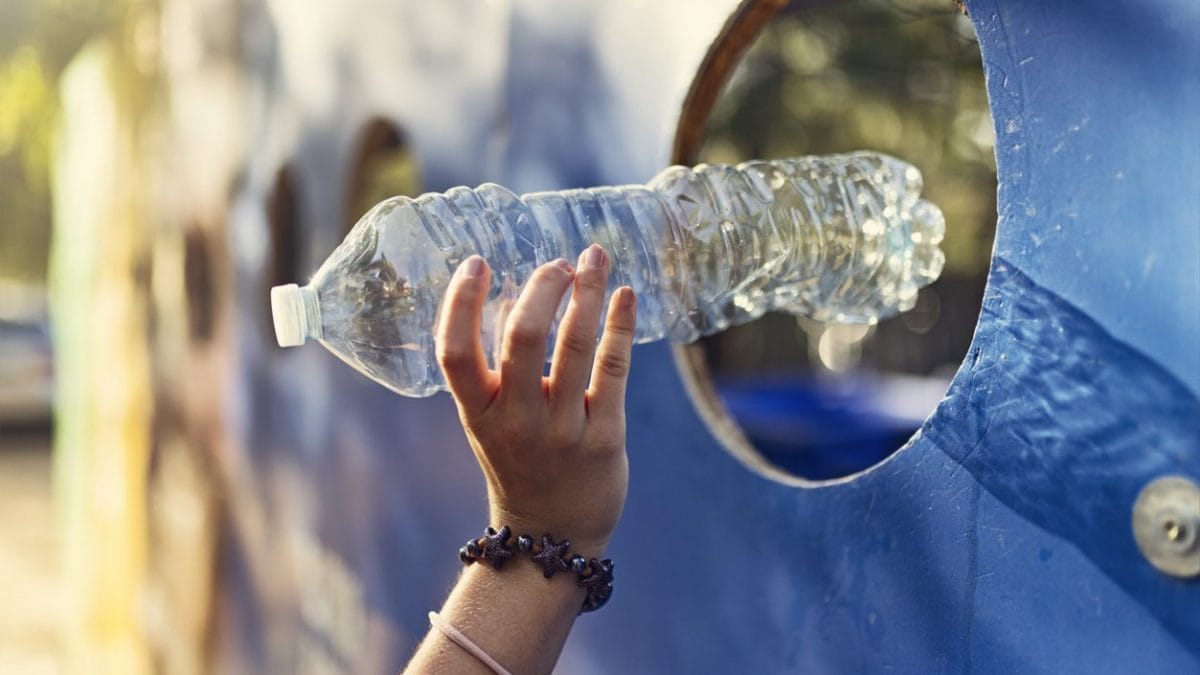
Plastic won't disappear overnight: in the coming years, however, its use will be subject to increasingly stringent regulations. The European Union's goal is to reduce unnecessary packaging, increase the percentage of recycled material, and limit the presence of substances considered hazardous to the environment and human health.
The transition will be gradual, but it will also directly affect European consumers: the first changes are expected in 2026, with new limits for certain chemicals in food packaging. From 2029, the issue of collection will come into play, with the European target of 90% for single-use beverage bottles. Finally, from 2030, the changes will become even more visible in everyday life: from multipacks to fruit and vegetable packaging, to single-use sachets and other disposable products.
Stricter Limits For Food Packaging and Chemicals From 2026
Plastic bottles won't disappear from shelves anytime soon, but the way they are produced, sold, and controlled is set to change. With EU Regulation 2025/40, effective August 12, 2026, the European Union introduces new rules on food packaging, aiming to reduce the environmental impact of plastic and ensure stricter standards for material composition.
The first change concerns PFAS, chemicals known as "permanent pollutants," used for their waterproofing and non-stick properties. The problem is that they persist in the environment, accumulate in living organisms, and are associated with potential negative health effects. From August 12, 2026, plastic food packaging exceeding specific thresholds will no longer be allowed on the European market: 25 parts per billion for each individual PFAS, 250 parts per billion for the total, and 50 parts per million for polymeric PFAS.
There is no transitional period for selling off stocks: packaging produced before the deadline, but put on sale after 12 August 2026, will already have to comply with the new limits: packaging already on the shelves before that date will be able to remain on sale.
The regulation also updates the limits for certain heavy metals: lead, cadmium, mercury, and hexavalent chromium cannot exceed a total of 100 milligrams per kilogram in any type of packaging. Manufacturers will also be required to prepare technical documentation and declarations of conformity.
PET Bottles, Recycling and Deposit
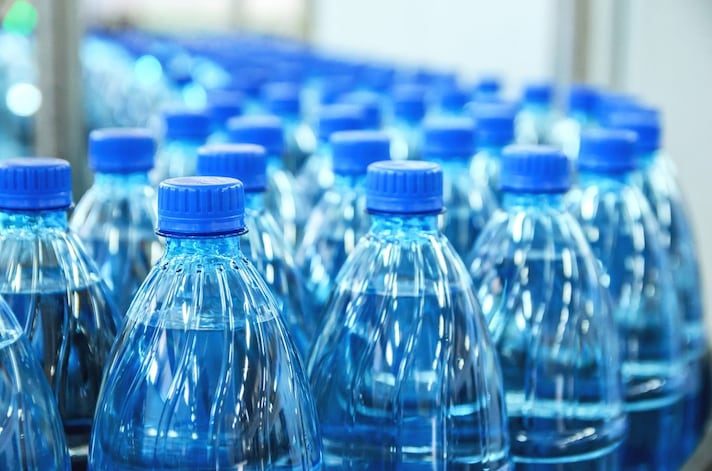
Another front concerns single-use PET bottles, those commonly used for water and beverages. The European Commission has adopted new rules to calculate, verify, and communicate the chemically recycled content in new bottles. The goal is to create a common system valid for all recycling technologies, both mechanical and chemical, and encourage investment in the sector. Water bottles will continue to be sold, but will have to contain an increasing share of post-consumer recycled material: at least 30% from 2030 and up to 65% by 2040. A system of recyclability classes, from A to C, will also be introduced, with mandatory minimum thresholds for market access.
The measure likely to have the greatest impact on consumer habits is the deposit system: by January 1, 2029, Member States will have to ensure the separate collection of at least 90% of single-use beverage bottles up to 3 liters. To achieve this goal, each country will have to introduce a system whereby consumers pay a small deposit at the time of purchase and get it back when they return the empty container.
By 2030, a Ban on Multipacks, Sachets and Single-Use Plastic
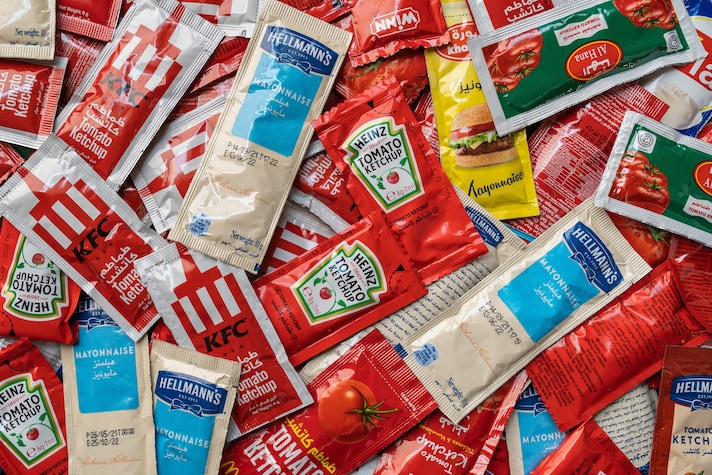
The most visible changes for consumers will come from 1 January 2030: from that date, several types of single-use plastic that are currently very common will be banned: the rings and films that hold together bottles in multipacks, nets and trays for pre-packaged fresh fruit and vegetables under 1.5 kilos, single-use sachets of ketchup, mayonnaise, oil and condiments, shampoo and shower gel bottles in hotels, plastic plates and cups in restaurants and most very thin bags, with a thickness of less than 15 microns.
It is therefore not a question of an immediate farewell to plastic, but rather a progressive reduction in uses considered superfluous or more difficult to recycle: the change will be seen above all in supermarkets, bars, hotels and retail outlets where single-use items are still very common today.
;Resize,width=767;)
