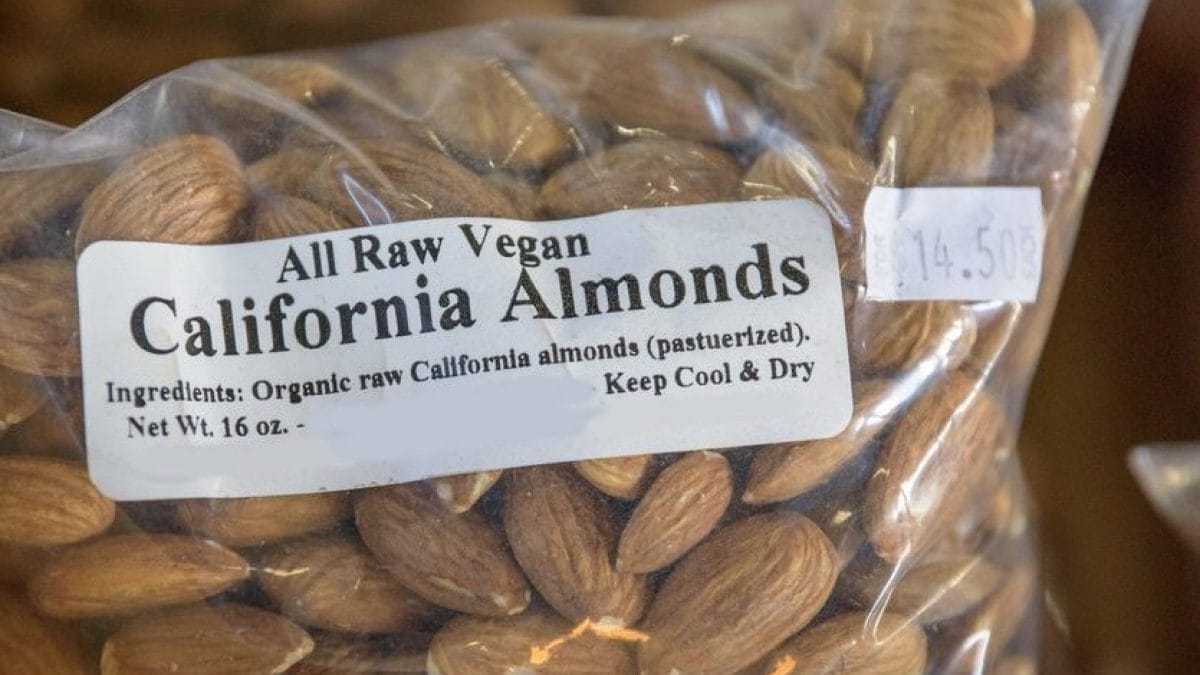
We're used to associating the term pasteurization with milk or eggs, but those who buy almonds in the United States or from the North American market come across the following term: pasteurized almonds, even when the product is (in this case improperly) referred to as raw. But what is the reason for this choice and why is it mandatory in the US? This decision was made following a series of salmonella outbreaks in the early 2000s, thus leading to this practice to ensure greater food safety. Among the methods, however, also appears the use of propylene oxide, a chemical that is banned in Europe because it is potentially dangerous to health.
Why is Pasteurizing Almonds Mandatory in The United States?
Perhaps not everyone knows it, but almonds are one of the most important agricultural products for the US economy. California is the largest producer in the world, with more than 6,000 growers spread across just under 500,000 hectares of orchards that characterise the central area of the American state: almonds that are imported, but above all exported. In 2001, a salmonella outbreak was recorded in Canada that was traced back to three different Californian orchards; in 2004, in Oregon, further cases of salmonellosis forced the recall from the market of approximately 6,800 tons of almonds that had been sold in eight different countries. This economic and reputational impact forced the Almond Board of California – what we could call the consortium of almond producers, established in 1950 – to take measures to avoid further contamination: for this reason, since 2007, all Californian almonds have been required to be pasteurized.

How Are Almonds Pasteurized?
The purpose of pasteurization is to eliminate pathogenic microorganisms that may pose a risk to consumer health. Specifically, salmonella is the bacterial agent to be eradicated, and nuts (and not just animal products) provide ideal conditions for growth, both during cultivation and during the manufacturing process. The Food and Drug Administration, the U.S. federal agency responsible, among other things, for food safety, requires that any treatment adopted demonstrate, after specific tests, a minimum 4-log reduction in salmonella. This means, in simple terms, a reduction in bacterial count by virtually 99.9%. Therefore, almond pasteurization can be performed in various ways:
- Oil roasting, dry roasting and blanching: these are traditional thermal processes used for roasting (which occurs in oil or dry) or for removing the skin using hot water.
- Steam treatment: exposure of the surface of the almonds to steam for a short time – or under vacuum – at controlled temperatures (not exceeding 212°F/100°C).
- Moist heat: Exposing almonds to a hot, humid environment for short periods of time.
- Propylene Oxide (PO): Exposure of almonds to a fumigant treatment, with the gas then dissipating rapidly after application.
The first three techniques can also be applied to organically grown almonds and the most widespread is steam pasteurization which does not subject the product to excessive nutritional and organoleptic alterations (it does not change its aroma or flavor, for example, as in roasting), keeping it as “natural” as possible.
The Question of Propylene Oxide, a Dangerous Substance
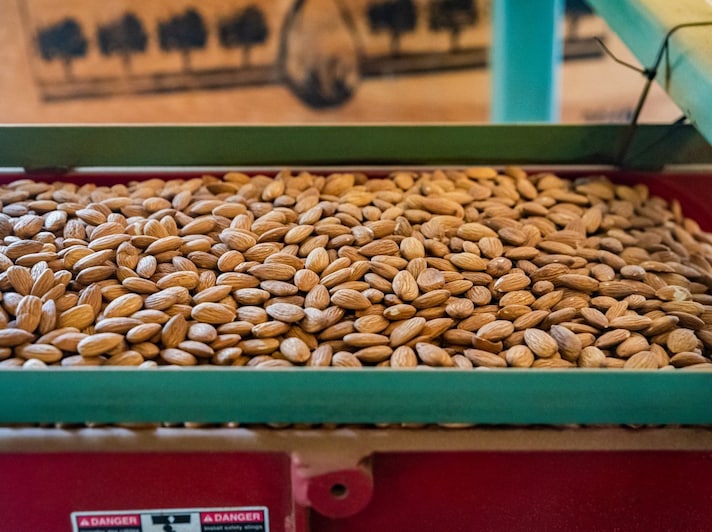
While propylene oxide is permitted in the United States and other countries around the world, its use in food is prohibited in Europe. What are the dangers of this chemical? Despite its known antimicrobial and antibacterial properties, propylene oxide is classified by the European Union's REACH document (Regulation (EC) No. 1907/2006) on the management of banned and restricted chemical substances as a category 1B carcinogen and mutagen, which is therefore presumed to have tumor-causing effects on humans and the possibility of causing DNA mutations. As a sterilant and food additive, it is not permitted, and its residues in food must not exceed 0.01 mg/kg.
;Resize,width=767;)
