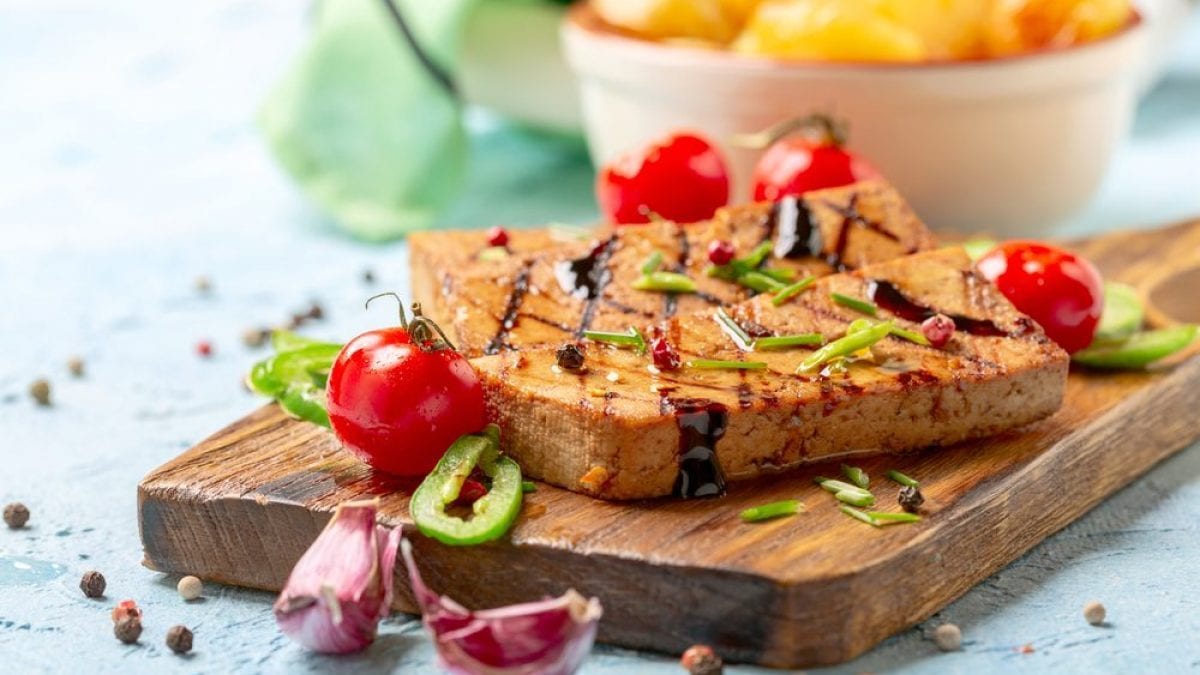
No more "vegan steaks" or "vegetable fillets" in the European Union. With the European Parliament's final approval of the reform of the regulation on the Common Organization of Agricultural Markets (CMO), which has completed its legislative process in Strasbourg and now awaits formal approval by the EU Council, certain typical meat names will be reserved exclusively for products of animal origin. The aim is to avoid potential confusion among consumers and clarify food labeling. The decision introduces for the first time a common European definition of the term "meat," identified as "edible parts of animals," with the aim of ensuring greater transparency on labels and clearer information for consumers.
However, now widespread expressions such as "veggie burger" and "vegetable burger" remain permitted, having been excluded from the ban after months of negotiations between European institutions. This compromise solution aims to reconcile the protection of traditional livestock production with the growth of the plant-based food market.
Over Thirty Protected Terms
The protected names include over thirty terms, including beef, veal, pork, chicken, turkey, lamb, steak, fillet, sirloin, loin, ribs, chop, pancetta, and T-bone. The European institutions' stated intention is to avoid potential confusion in the market and provide consumers with greater clarity regarding the origin and nature of the products they purchase. The measure was approved by the Strasbourg plenary session with 560 votes in favor, 75 against, and 25 abstentions.
The measure is part of a broader reform of the Common Organization of Agricultural Markets (CMO), designed to strengthen farmers' bargaining power in the agri-food supply chain and ensure a more balanced distribution of value along the supply chain. According to the approved text, a long list of names traditionally associated with cuts of meat will be reserved exclusively for products of animal origin, excluding both plant-based foods and those obtained through cell culture techniques in laboratories.
Veggie Burgers are Excluded From The Ban
One of the most controversial aspects of the reform concerned the use of terms traditionally associated with meat for plant-based products. During the negotiations, some agricultural organizations and representatives of the livestock sector had called for the ban to be extended to terms like "burger," "sausage," or "hamburger" when referring to plant-based products, arguing that such terms could cause confusion among consumers and exploit the reputation that animal products have built up over time.
In the end, however, Parliament and the Council opted for a compromise solution: while on the one hand, the names identifying specific cuts of meat, such as "steak", "fillet" or "rib" will be reserved exclusively for products of animal origin, on the other hand, expressions that are now well-established on the market such as "veggie burger" and "vegetable burger" will remain permitted.

The move reflects the growing popularity of plant-based alternatives in the European diet and the recognition that terms like "burger" now describe not just an ingredient, but also a form of preparation and a method of consumption easily recognizable by consumers. According to supporters of this approach, banning its use would have risked creating greater confusion, forcing companies to resort to less immediate and less comprehensible names.
The compromise reached therefore highlights the European institutions' attempt to balance two different needs: on the one hand, the protection of livestock production and denominations historically linked to meat, on the other, the need not to penalize a rapidly growing market, supported both by food innovation and by the increase in consumers choosing plant-based products for environmental, ethical, or health reasons.
More Protections for Farmers
The reform doesn't just concern commercial denominations: the bill also introduces new measures to strengthen farmers' bargaining power. Written contracts between producers and buyers will become mandatory, and they must include review clauses that allow long-term agreements to adapt to changes in production costs, market trends, and economic conditions.
Among other new features, Member States will be required to publish online the reference criteria used in contractual agreements. Furthermore, the possibility of granting financial support to producer organizations and their associations under the Common Agricultural Policy (CAP) has been recognized. Finally, the reform regulates the use of optional marketing terms such as "fair," "equitable," and "short supply chain," with the aim of ensuring greater transparency and consistent information for producers and consumers.
Before it enters into force, the regulation will also need to obtain formal approval from the Council of the European Union: only after this final step will the new provisions become operational in all Member States.
;Resize,width=767;)
