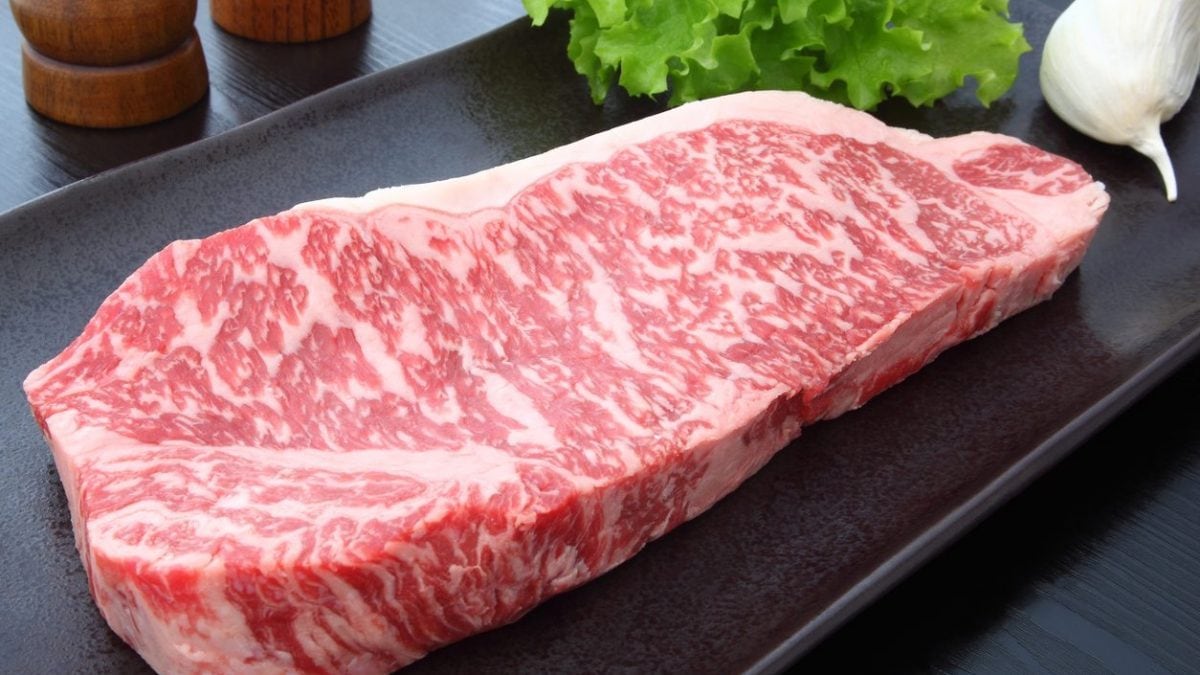
Not just sushi, ramen, anime, and manga: in the U.S., Japanese culture and gastronomy have taken over thanks in part to its meat. It's called wagyu and is the most prized in the world, so good that it costs a lot and is only available in specialized restaurants. Literally, wagyu means "Japanese beef," and it's so juicy and special that, as soon as you try it, all other meats seem inferior in quality and flavor. Today, we're talking about a global delicacy that can transform a dinner into pure gastronomic ecstasy. However, when it comes to this product, there's often a lot of confusion, especially with Kobe beef, the most famous. Let's try to clarify together all the differences between the meats from the Land of the Rising Sun.
The History of The Meat That Conquered The World
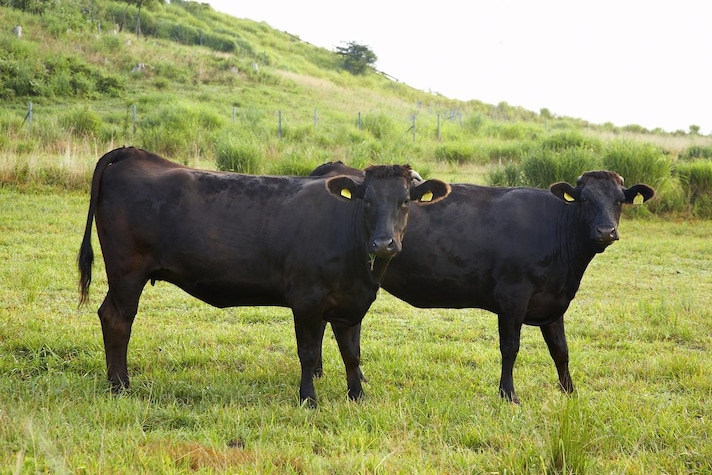
Since everyone has heard of Kobe beef, it's fair to point out that the latter is just one variety of Wagyu, the typical cattle breed. Small in size, black in coat, and selected for a significant amount of intramuscular fat, known as marbling, which is what makes the meat exceptional. There are four main Wagyu breeds, in order: Kuroge Washu (Japanese Black), which represents 90% of the national cattle; Japanese Brown (Akage Washu), Japanese Polled, and Japanese Shorthorn. So, essentially, not all Wagyu are Kobe, but all Kobe are Wagyu.
For over a thousand years, Japan lived almost entirely without beef due to religious taboos linked to Buddhism and Shinto interpretations that discouraged the consumption of mammals. This strict prohibition lasted until the country's opening to the West (19th century) began to break down cultural and dietary barriers. In 1853, Commodore Perry forced Japan to engage with the outside world, and with the Meiji Restoration of 1868, diet also became one of the areas of modernization. At that time, even the emperor himself, to send a message of change, publicly appeared eating beef.
Cattle breeding was introduced to Japan long before the Meiji Restoration. These animals originated in China and Korea, but were used exclusively as labor and not as a primary food source. The four breeds mentioned above were recognized later in 1944 and originated from crossbreeding with other Western cows. The only two species that are "genuinely Japanese," meaning not crossbred, are the Mishima and the Kuchinoshima.
Not Just Kobe
When it comes to Wagyu, many immediately think of Kobe, but we need to clarify a few things. The latter is part of the Tajima breed (a branch of the Japanese Black) and can only be produced in Kobe, in Hyōgo Prefecture (formerly Tajima Province). To be raised, it must follow a specific specification that states that the cattle must be between 28 and 60 months old and that each animal must be certified with the Japanese Chrysanthemum Association seal, the only body authorized to certify the meat.
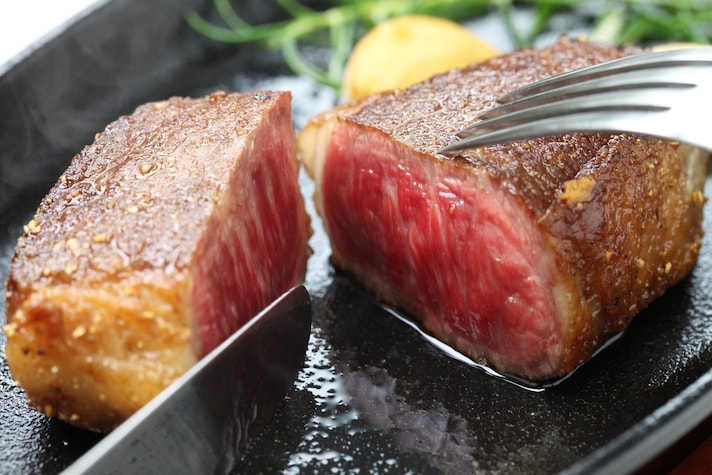
Beyond Kobe beef, the range is much broader. One of the oldest denominations is Omi-gyu, from Shiga Prefecture, considered by some to be superior even to Kobe. Other famous meats include those from Matsusaka (Mie Prefecture); Hida (Gifu); Yonezawa (Yamagata); and Sendai (Miyagi). Each area has its own selection, diet, terroir, and breeding methods that influence the flavor, marbling, and final texture of the meat.
What Makes Wagyu so Special?
The secret to Wagyu's tenderness is the animals' absolute well-being, which reassures even the most environmentally conscious consumer. The cows live happily and peacefully, have adequate space, and grow naturally, with human intervention only serving to improve their quality of life. This model doesn't significantly impact the ecosystem, making this meat not only valuable but also sustainable.
Over the years, Japanese Wagyu breeders have specialized to the point of creating true local identities like the ones we've described. The true trademark, as we've said, is the unique and exclusive intramuscular fat of this meat: marbling. There are also specific scales to assess the quality of the meat. The grading is based on various factors including marbling, color, texture, and sheen of the fat, and can range from 1 to 12, with 12 indicating extreme levels. Combined with the quality factor, the maximum recognizable today is an A5-12, meaning top yield, freshness, and marbling.
Today, however, wagyu is no longer exclusively Japanese. It is also raised in Australia, Scotland, Italy, Canada, and even the United States, with excellent results especially in Oceania, where animal care has reached very high standards. While it remains a luxury product, this spread has made the meat more accessible. Prices fluctuate wildly: record figures of up to$3,500 per kilo can be reached, but for as little as $95 you can buy a wagyu of above-average quality.
The Wagyu Experience at a Chef's Counter
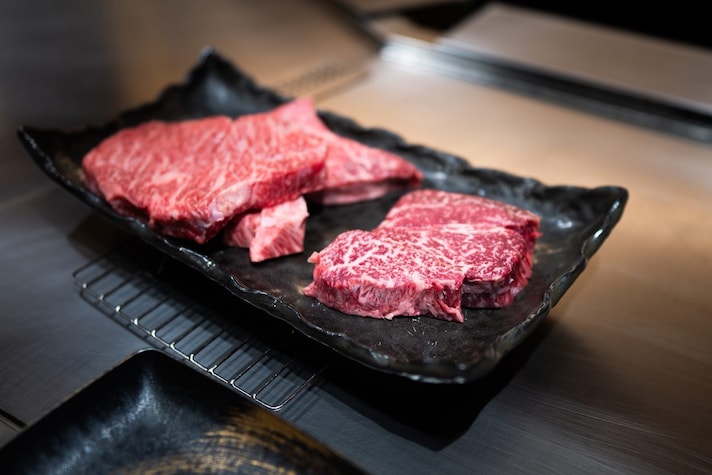
Many Japanese restaurants offer the opportunity to watch the meat being prepared directly at the chef's counter. This creates an engaging and educational atmosphere where the Wagyu master expertly selects and prepares the cuts of meat. During the experience, all diners can appreciate not only the quality of the meat, but also the expertise of the chef, who explains the characteristics of each cut and the ideal cooking techniques.
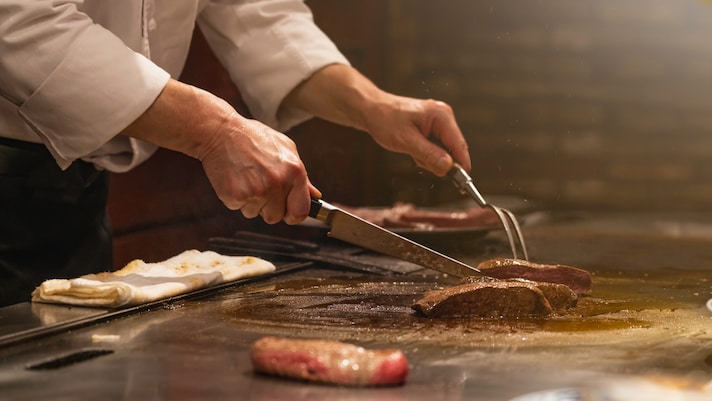
However, the prices for this experience are remarkably high, given the quality of the meat chosen and the type of restaurant. Generally, a wagyu tasting menu can start from around 10,000 yen per person (70-81 dollars) up to 30,000 yen (210 dollars) for choices like the Kobe A5. The menus typically include a selection of premium cuts, prepared with various culinary techniques that enhance their characteristics. Dishes can range from tartare and carpaccio to grilled steaks and fillets, accompanied by seasonal side dishes, signature sauces, and a classic bowl of white rice. In some restaurants, the experience is enhanced by pairings with sake or select wines, which complement the meat's aromatic profile.
;Resize,width=767;)
