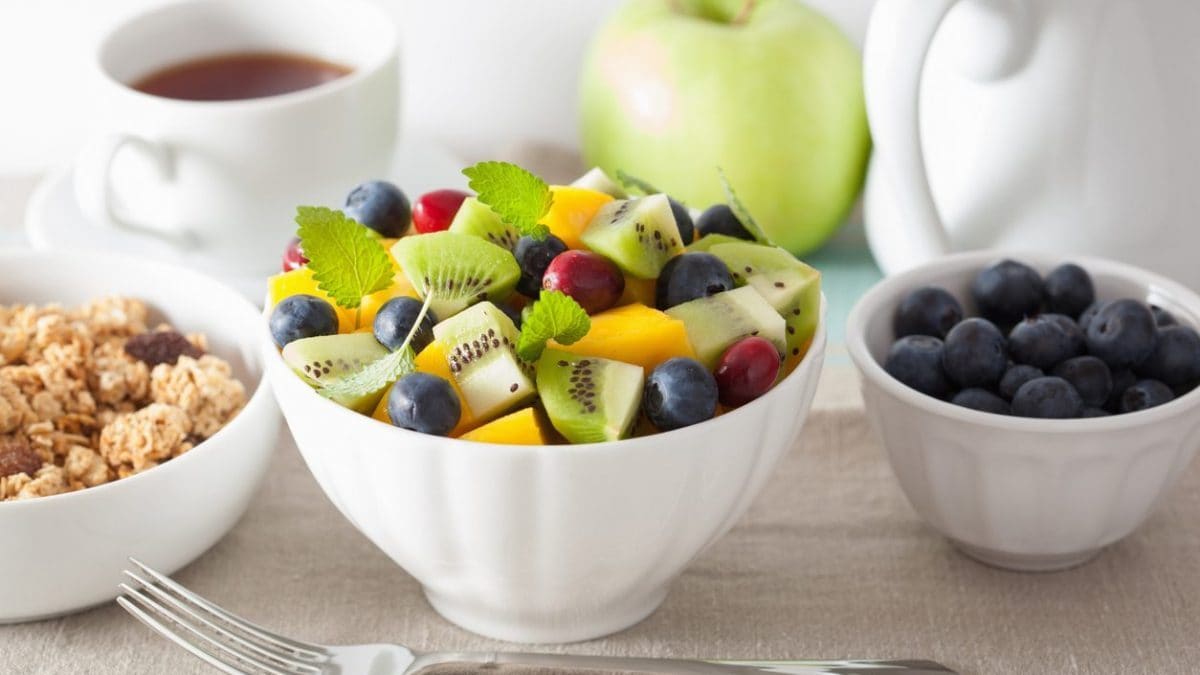
A fairly common condition, especially affecting women, constipation is a problem related to the intestinal system. Whether chronic or temporary, due to a change in habits or a particular phase of our life, it can depend on certain errors made at the table: among these, the most important, inadequate hydration and a low intake of plant-based fiber, especially from fruit and vegetables.
It's precisely in these cases that fruit —fresh, dried, and cooked—comes to our rescue: in addition to being rich in micronutrients and valuable benefits, its abundance of water and fiber promotes intestinal regularity and counteracts any problems. But which fruits are the most laxative? Is it better to eat them fresh or cooked, and what other dietary measures can we implement? We spoke with Dr. Simone Gabrielli, biologist and nutritionist, who helped us shed light on the issue.
Constipation's Causes
Constipation is a fairly common condition that occurs when the bowel struggles to empty regularly or stool becomes too hard and difficult to pass, explains Gabrielli. Accompanied by a feeling of partial emptying, abdominal bloating, and flatulence, it can be acute, thus temporary, or chronic. While small remedies may be enough to resolve the former, chronic constipation can be associated with far more serious issues —autoimmune diseases, anti-inflammatory bowel diseases, or drug abuse—and for this reason, it shouldn't be underestimated, especially when no other remedy works.
Barring these eventualities, constipation can be effectively combated at the table. There are three aspects to consider: hydration , essential for stool formation and evacuation; an adequate intake of plant-based fiber, found primarily in fruits and vegetables; and healthy fats, especially extra virgin olive oil: these have the ability to soften stool and promote gastric emptying.
"The most effective way to combat constipation is to drink the right amount of water every day and consume enough fiber. To reach the recommended amount of fiber, it's important to eat at least three servings of fruit and two servings of vegetables a day (one serving is about 150 grams), and also include whole grains like bread, pasta, or rice," our expert continues.
Regarding the amount of fiber, it's important to make another point: even if excessive, and especially if not seasoned properly, it can cause an uncomfortable "plug effect" and lead to abdominal bloating, gas, and pain. Therefore: neither too much nor too little.
The Most Laxative Fruits
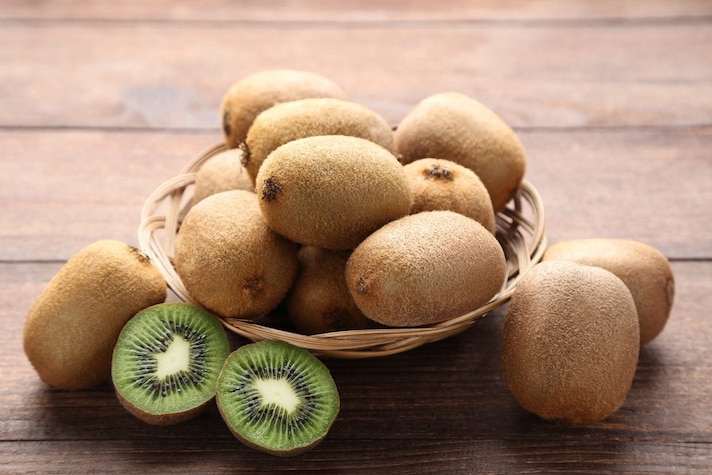
"Fruit is an excellent ally in combating constipation because it is rich in both fiber and water, two elements that together aid intestinal transit," suggests Gabrielli. What are the best fruits for this type of problem? As demonstrated by the most recent scientific studies, kiwis are undoubtedly among the most effective: with a gentle laxative effect, they are the best ally for a temperamental intestine. The optimal time to consume them is in the morning on an empty stomach, followed by a couple of glasses of room-temperature or lukewarm water.
In addition to kiwis, you can eat fresh plums, apricots, and figs. If available in their equally effective dried form, they should be chosen without added sugar and consumed occasionally and in small quantities. "Dried fruit is useful, but it's higher in calories and sugars than fresh fruit," our expert points out.
To help intestinal motility, a good habit could be to soak dried plums in warm water overnight and then eat them first thing the next morning, followed by a couple of glasses of water, or combined with natural white kefir and a handful of oat flakes for breakfast.
Is It Better Fresh or Cooked?
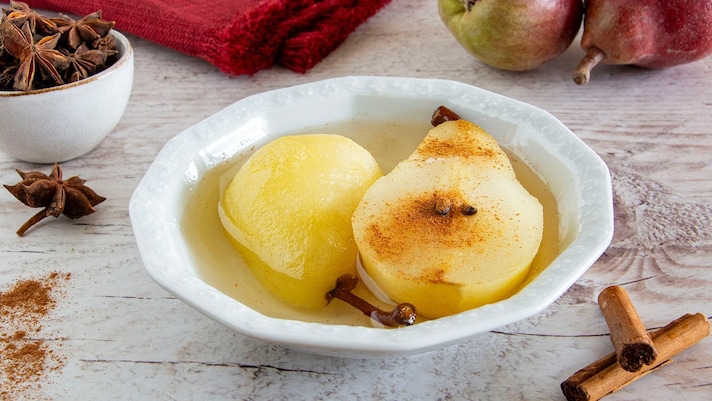
Cooked fruit, such as apples or pears, is also particularly beneficial for constipation or bloating. Easier to digest and with a mild laxative effect, it's best eaten for breakfast, perhaps paired with plain Greek yogurt and cereal flakes, or as a mid-morning or afternoon snack. To avoid intestinal discomfort or the potential for digestive problems, avoid eating it immediately after main meals.
How can we prepare it? We can peel and dice an apple or pear of your choice, then sauté them with a splash of water—or orange juice—and a generous pinch of cinnamon (or other spices of your choice) until they're tender and well caramelized. Alternatively, you can arrange them whole on a baking sheet, after removing the core, and bake them in the oven with cinnamon sticks, cloves, and a small glass of red wine.
You can enjoy them like this with a spoon, perhaps on the sofa as a post-dinner treat, always leaving at least an hour to pass, or use them to garnish creamy porridge or soft pancakes.
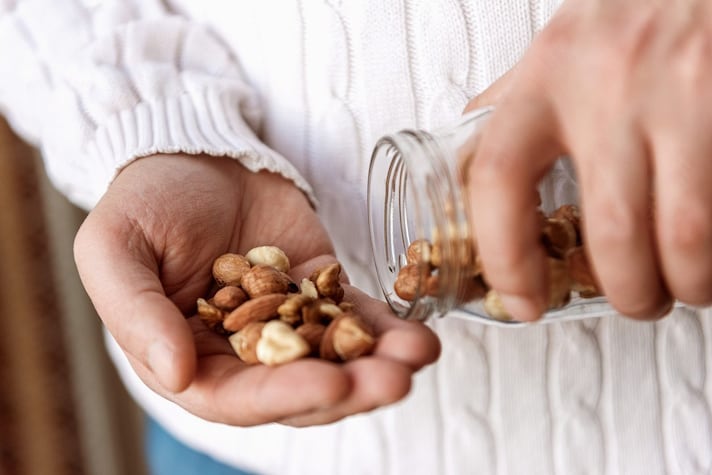
As mentioned, to facilitate bowel movements and keep stools soft, it's important to include the right amount of healthy fats at every meal. The main one is extra virgin olive oil, preferably added raw to our vegetable portions or other dishes. But let's not forget the valuable contribution of nuts and oilseeds (almonds, walnuts, hazelnuts, pumpkin seeds, and so on): rich in plant proteins, amino acids, and minerals, they increase insoluble fiber intake and promote intestinal transit.
Helpful Tips to Combat Constipation
Nutrition plays a crucial role in preventing and combating constipation: in addition to fruits and vegetables, which should be included at every meal, it's important to drink adequately—especially in summer when fluids and minerals are lost more—and to eat a balanced and varied diet. We should favor whole-grain pasta, bread, and cereals, rich in insoluble fiber. We should avoid refined carbohydrates and sugars, fried foods, and particularly fatty foods, which slow digestion and therefore intestinal transit. We should also limit astringents: among the most common are tannins, found in tea, red wine, and even chocolate.
It's important to have an active lifestyle and exercise regularly, as well as eating slowly, without distractions or stress, and chewing thoroughly. This will also help us be more present, connected, and better aware of our feelings of hunger and satiety.
;Resize,width=767;)
