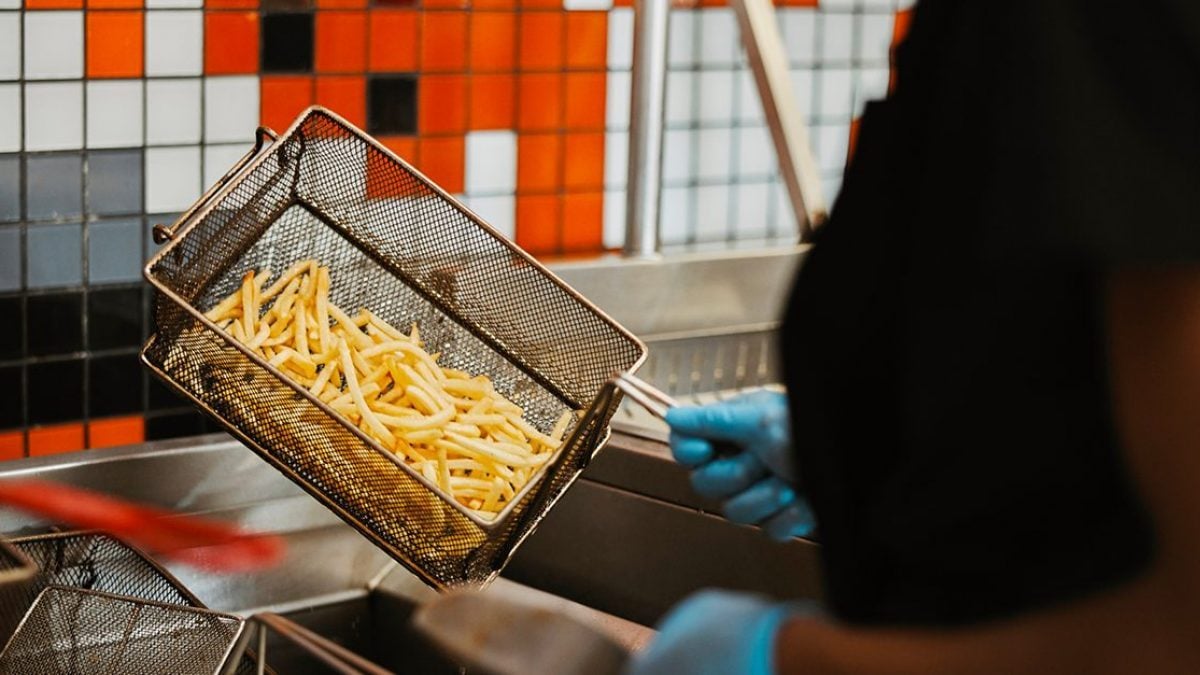
We don't do it consciously, but we're profoundly influenced by our sense of smell when choosing where or what to eat. This "thing" is called olfactory neuromarketing and is a powerful strategy used by many restaurant chains to influence customer behavior and increase sales.
It may seem like an abstract concept? So let's take a practical example: you're in a shopping mall, walking lost in thought, when suddenly an irresistible scent hits you: the sweet aroma of cinnamon and caramelized sugar draws you almost magnetically to a bakery, or clean frying oil immediately makes you think of chips, or even that smell of toasted bread and yeast that draws you to a pizzeria. Has this ever happened to you? If so, you've experienced olfactory neuromarketing. But how do restaurant chains (especially fast food restaurants) exploit this unconscious thought? Let's see together how this powerful "aphrodisiac" works.
Why Do Smells Influence Our Decisions?
If it's true, as it is, that aphrodisiac foods don't exist, we must nevertheless acknowledge that we are animalistically drawn to a certain type of food when we smell it, its aroma, or smell its fragrance. In an advanced society where artificial intelligence now shows us how to do everything, we are still at the mercy of these primal instincts. Olfactory neuromarketing exploits its every secret. This theory was developed in the 1970s and has been used by countless people ever since. Consider that Samsung always uses the same green melon perfume in its New York store to create a lasting impression.
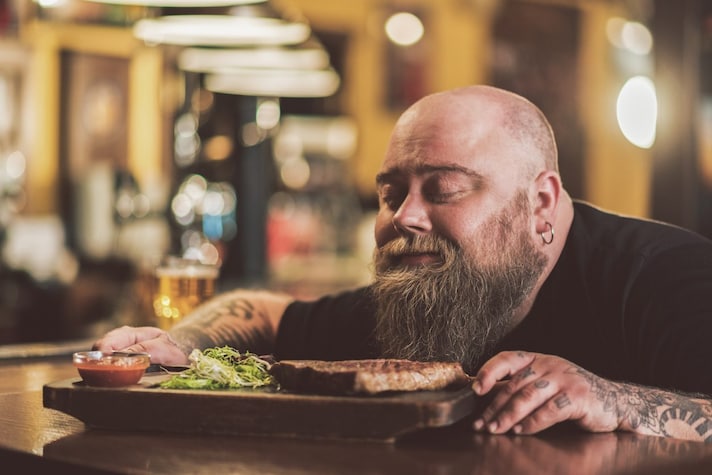
Smell is one of the most powerful and least consciously controllable senses. Unlike the other senses, odors are processed directly by the limbic system, the part of the brain responsible for emotions and memory. This means that a scent can evoke memories and emotions instantly, without the need for rational processing. Neuromarketing research shows that scents can not only stimulate the appetite, but also create an emotional connection with a brand. This is the case with companies like McDonald's, Burger King, Five Guys, Cinnabon, Auntie Anne's, and Subway, which exploit the smell of their products to attract customers and build loyalty over time. Yes, they are all American fast food restaurants, and that's no coincidence. These things have been exploited here since time immemorial, and they've done a lot of research on the subject, and many have gone even further, incorporating these scents into advertising.
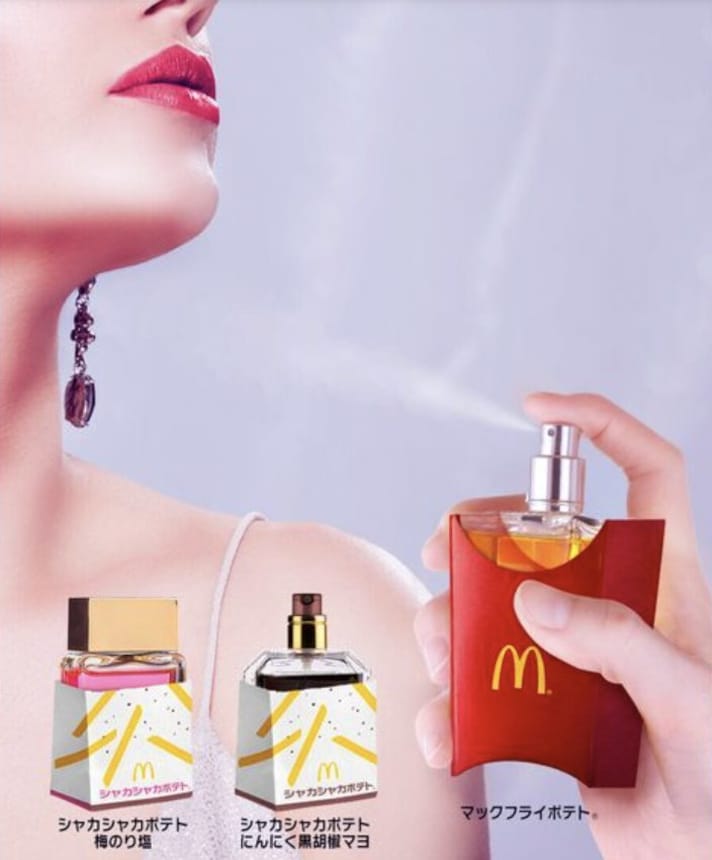
In 2024, McDonald's ran an advertising campaign in Japan depicting its products as perfume bottles, and for months in the Far East, people were asking for these French fry-based fragrances (and asking for them). The company seized the opportunity and installed the world's first scented billboard in the Netherlands, demonstrating the power of smell. Tianyi Zhang, a researcher at the University of Oxford, told Gastro Obscura that these types of campaigns will become increasingly common because companies want to create "strong connections with people, and when you smell something, you think about it when you smell it again."
According to Zhang, not all smells work the same way. Some scents, such as fruity ones, seem to stimulate the appetite more than others. Studies show that the smell of pear increases the desire to consume pear-based desserts. Conversely, smells that are too complex or difficult to identify can confuse customers and reduce the effectiveness of olfactory marketing. Scents can also evoke different emotions depending on the context. Neuromarketing suggests that citrus and mint stimulate attention and reactivity, while vanilla and lavender induce relaxation. An elegant restaurant might therefore choose more sophisticated and relaxing scents, while a fast food restaurant might focus on energizing and familiar smells.
We've said that this tool is used primarily by fast food restaurants, both for economic reasons (they are global giants) and because franchise chains use standardized ingredients and equipment; the smell of their food can be as consistent and recognizable as a visual logo. Cinnabon stores in America, a large-scale bakery with a strong presence in shopping malls and airports, place their ovens at the front of the store to disperse the aroma outside, and the company encourages individual stores to heat cinnamon sugar on baking sheets to keep the lingering scent. Another very famous chain in North America, Panera Bread, which only makes baked goods, has decided to eliminate the traditional overnight baking that all bakeries around the world do, switching to "live" baking during the day. Why? Because customers are present during the day and can smell the bread, which is naturally drawn to the stores.
When it comes to marketing individual restaurants, things are more complicated. Obviously, the smell of food immediately increases people's desire to eat it, but "smell doesn't work so consistently" on appetite, says Zhang. "It really depends on whether people who come to your restaurant are hungry or not" and the type of food they typically prefer, among many other variables. Zhang notes that one food smell in particular seems to influence appetite more consistently than others: fruit. "If people smell apple," says Zhang, "they would prefer an apple dessert over other desserts."
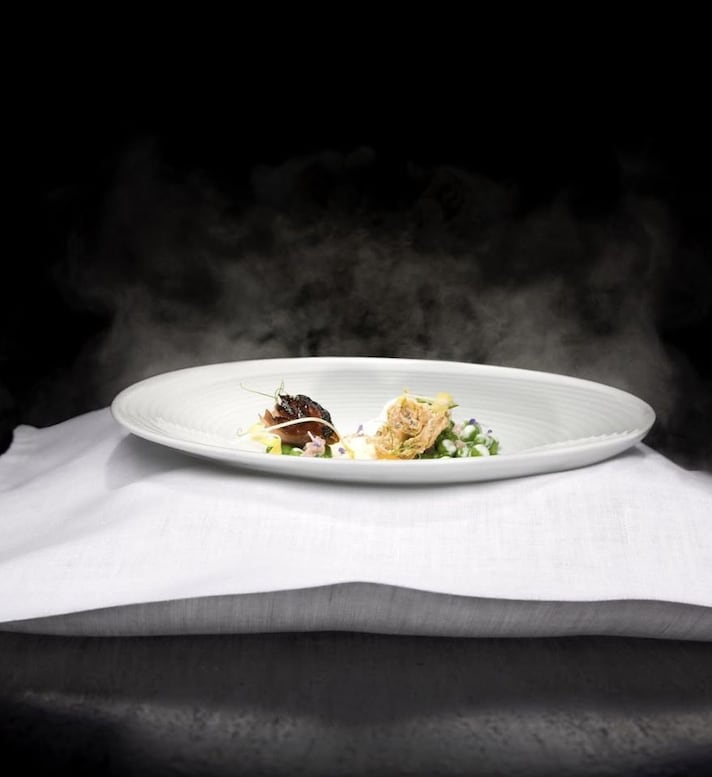
Grant Achatz, the award-winning Chicago chef with his Alinea, also owes his fame to devices such as the "pillows" filled with nutmeg or lavender air, used in the service of entrées and pierced at the table to release the sweet and spicy scent: "The aroma is so omnipresent in all of our restaurants that it is considered an ingredient. We rarely construct a dish without considering its role," said Allen Hemberger, communications manager for The Alinea Group, in an interview a few years ago in Restaurant Hospitality.
The goal of these studies, however, isn't to sell more sandwiches, chips, or sweets; it's much more subtle (or fascinating, depending on your philosophical leanings): the scent becomes an "ambassador" for the place, welcoming you, making you feel at home, reminding you of the pleasant moments spent there. Even if it doesn't immediately make you want to order more, it puts you in the ideal position to enjoy the experience and want to repeat it. The most important thing, therefore, isn't to stimulate hunger but to create a strong association: when you smell that scent, you think of that restaurant, and this thought is often linked to positive emotions that predispose you to that brand.
;Resize,width=767;)
