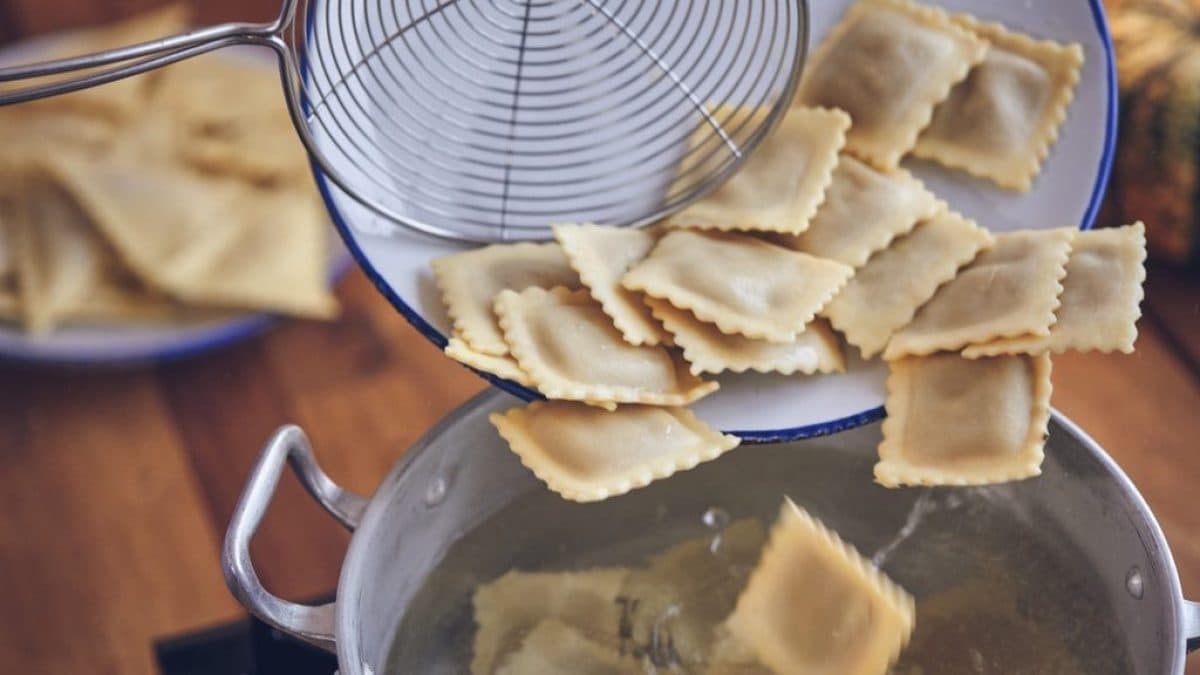
Pasta is an institution in all its shapes and forms, but it's undeniable that the true pride of many gastronomic traditions is fresh pasta: it's a true art, passed down from generation to generation and offered in a wide variety of forms. Homemade pasta can be incredibly satisfying, provided you learn all the secrets to making it perfectly, including proper cooking times.
While it's very easy for dried pasta because the cooking time, which is generally longer, is indicated on the package, the situation is different for fresh pasta. Unlike dried pasta, fresh pasta requires shorter cooking times, although this cannot be quantified independently. Cooking times depend on many variables, including the shape and thickness of the pasta, the type of flour used, and whether the pasta is filled or not.
Soft Wheat Vs. Durum Wheat
One of the major differences to consider when talking about fresh pasta is the type of flour used in the dough: it can be soft wheat, which is typically used to make the filled pasta shapes of northern Italy, or durum wheat, which is generally used to make the unfilled pasta more common in central and southern Italy. Although structurally the two flours may seem similar in appearance and nutritional characteristics, they actually derive from two different wheats grown from different plants.
- Semolina is obtained by grinding durum wheat, characterized by large, amber-yellow grains due to the high presence of carotenoids and antioxidants. Depending on the level of refinement, we then distinguish between semolina, granulated wheat, and wholemeal semolina, while it is incorrect to call it "durum wheat flour." This type of mixture is used primarily to make dry pasta and bread, but also some varieties of fresh pasta, including orecchiette , scialatielli, and cavatelli.
- Soft wheat, on the other hand, is used to make the most commonly used flours in cooking, particularly types 00, 01, 1, 2, and whole wheat flour. Classic "white flour" made from soft wheat comes in small granules, with good extensibility and less tenacity than durum wheat flour. These characteristics make it perfect for making leavened products (sweet or savory), gnocchi, and fresh pasta, which can be made with or without eggs.

General Tips for Cooking Fresh Pasta
As we've mentioned, cooking fresh pasta depends on many variables, including the thickness of the pasta, whether it has filling, and the type of flour used. In general, however, there are a number of tips to keep in mind for successful cooking.
First of all, remember that fresh pasta cooks much faster than dried pasta: even the most time-consuming variety won't take more than 4-6 minutes (except in very rare cases), while the less time-consuming ones will be ready in about 2 minutes. It's best to choose a large pot and fill it with plenty of lightly salted water.

Cooking Times for Filled and Unfilled Pasta
The biggest difference in cooking is made by the type of fresh pasta you are cooking, that is, whether it is filled or unfilled pasta.
Unfilled fresh pasta has an average cooking time of about 3 minutes, but even in this case it depends greatly on the pasta shape, because the thicker and fuller it is, the longer it will take to cook: gnocchi, for example, cannot be left for more than a minute otherwise they will fall apart, while thicker pasta like orecchiette will require up to 6 minutes of cooking. Cooking times for fresh, unfilled pasta:
- gnocchi, cooking time 1 minute
- maltagliati, cooking 1-2 minutes
- tagliolini, cooking time 3 minutes
- sagne, cooking time 3 minutes
- spaghetti alla chitarra, cooking time 3-4 minutes
- tagliatelle/fettuccine, cooking 4-5 minutes
- scialatielli, cooking 4-5 minutes
- strascinati, cooking 5 minutes
- malloreddus, cooking time 5 minutes
- trofie, cooking time 5-6 minutes
- orecchiette, cooking 5-6 minutes
- bigoli, cooking time 10-12 minutes
The situation is completely different for fresh stuffed pasta: it's usually made of a thin, delicate puff pastry, so cooking times are much shorter than for unfilled pasta. If you leave it in water too long, it will fall apart, releasing all the filling. Cooking times for fresh stuffed pasta:
- Piedmontese agnolotti, cooking time 2 minutes
- cappelletti, cooking 2-3 minutes
- tortellini, cooking 2-3 minutes
- ravioli, cooking 3-4 minutes
- tortelloni/ravioloni, cooking time 3-4 min
- orecchiette, cooking 3-4 minutes
- culurgiones, cooking 3-4 minutes
;Resize,width=767;)
