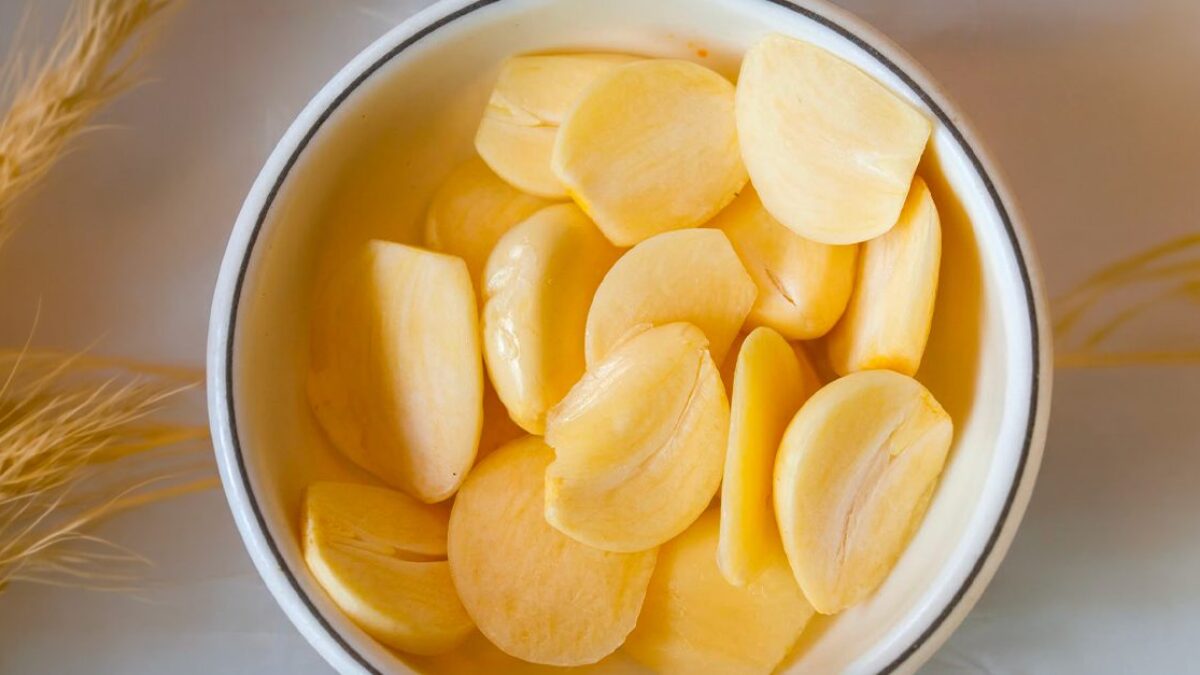
From ancient Egyptian civilizations, who used it as a natural remedy, to modern cuisines, garlic has always held a prominent place in the history of human nutrition. This small bulb, with its intense flavor and distinctive aroma, has long been considered a true health cure-all. Here's everything you need to know about garlic's benefits and its contraindications.
Garlic's Properties and Benefits
Garlic is rich in allicin, the compound responsible for its characteristic odor and flavor, but also for many of its beneficial properties. It contains several antioxidants that help fight free radicals and protect cells from damage. It is a good source of vitamin C, vitamin B6, and minerals such as manganese and selenium. In addition to allicin, it contains other sulfur compounds with antibacterial, antiviral, and antifungal properties. Here are the detailed benefits garlic can provide.
1. Cardiovascular Health
Garlic helps lower blood pressure, prevent clots, and reduce the risk of cardiovascular disease. Allicin, in particular, helps relax blood vessels and improve circulation.
2. Strengthening the Immune System
Thanks to its antibacterial and antiviral properties, garlic can help prevent and fight colds and flu. It has long been considered a natural antibiotic thanks to its active ingredient, allicin, a natural antibacterial enzyme.

3. Digestive Health
Garlic aids digestion and can help combat conditions like bloating and indigestion. Garlic helps stimulate the production of gastric juices, thus improving food digestion. Thanks to its carminative properties, garlic helps reduce intestinal gas and promotes regular peristalsis (natural intestinal contractions).
4. Anti-Inflammatory Properties
Garlic boasts anti-inflammatory properties that can help reduce pain and inflammation associated with various conditions. This is again thanks to allicin: this compound, released when garlic is chopped or crushed, inhibits the production of certain substances that promote inflammation in the body. Garlic can reduce pain and inflammation associated with arthritis, both rheumatoid and osteoarthritis.
Garlic's Contraindications
Like all foods, garlic has some contraindications. Excessive consumption of raw garlic can cause heartburn, acid reflux, nausea, and diarrhea: this is because allicin can irritate the stomach lining. In rare cases, allergic reactions to garlic can occur, manifesting with symptoms such as itching, swelling, difficulty breathing, and, in more severe cases, anaphylactic shock.

Garlic can interact with some medications, such as anticoagulants, increasing the risk of bleeding, antiplatelet drugs, and anti-HIV drugs. Finally, garlic can lower blood sugar levels and therefore enhance the effect of hypoglycemic drugs. When is it best to avoid it?
- Before surgery: Garlic may increase the risk of bleeding, so it is advisable to stop taking it at least two weeks before surgery.
- Pregnancy and breastfeeding: Although there is no definitive scientific evidence, it is advisable to limit garlic consumption during pregnancy and breastfeeding, especially if consumed in large quantities.
- In case of gastrointestinal disorders: in the presence of peptic ulcer, gastritis or colitis, it is best to avoid raw garlic and consume it in moderation, if cooked.
;Resize,width=767;)
