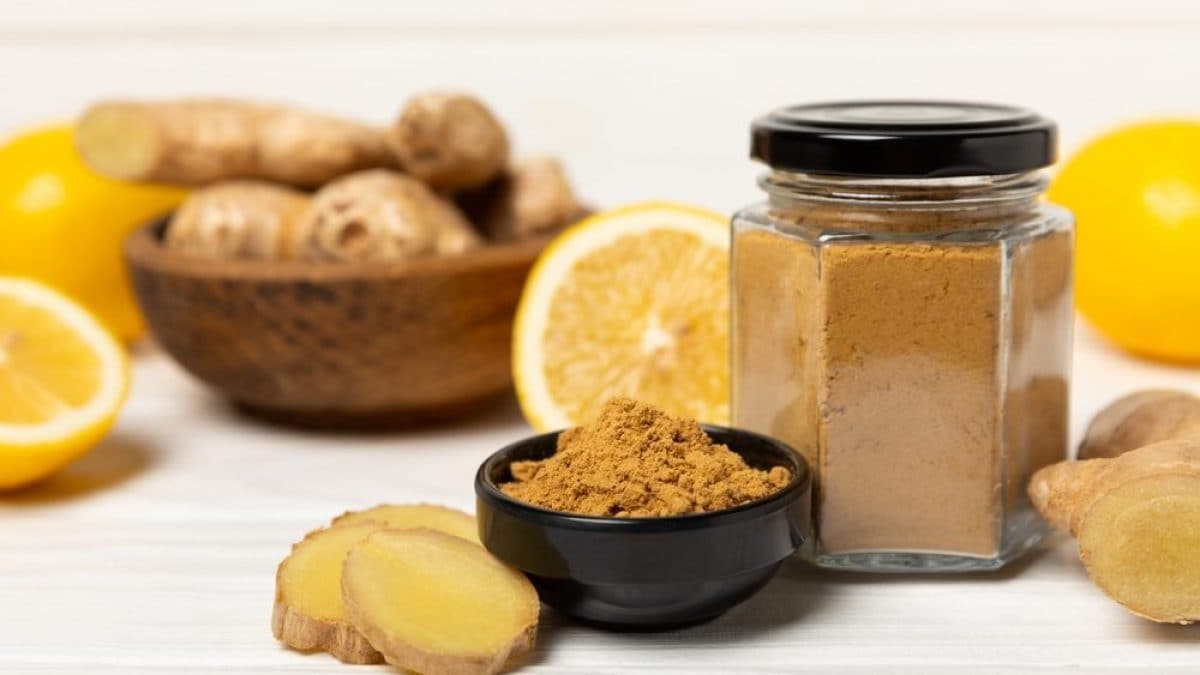
Ginger (Zingiber officinale) is a herbaceous plant of the Zingiberaceae family, native to tropical Asia. The part used for culinary and therapeutic purposes is not the root, but the rhizome, an underground stem that grows horizontally and is used both fresh and dried, in powder form, or as an essential oil. Ginger rhizome is rich in active ingredients, including gingerols and shogaols, which are responsible for its many beneficial properties.
Besides being a highly prized culinary ingredient for its aromatic and pungent flavor, ginger has been known for centuries for its anti-inflammatory, digestive, and pain-relieving properties. Its benefits are now confirmed by numerous scientific studies that attest to its effectiveness in various areas of health. Today, we'll tell you about the main benefits of ginger, as well as any potential contraindications that may arise from excessive use or in specific situations.
Ginger Properties and Benefits
Ginger is a source of essential nutrients, including fiber, vitamins such as vitamin C and some B vitamins, minerals such as potassium, magnesium, and manganese, and bioactive compounds such as gingerols and shogaols. Here are the detailed benefits of ginger:
1. Anti-Inflammatory and Analgesic Properties
The gingerols in ginger have been shown to reduce inflammation and pain in conditions such as osteoarthritis and rheumatoid arthritis. Specifically, ginger extract can alleviate the symptoms of these inflammatory diseases and chronic pain.
2. Blood Sugar Control
Ginger may help manage blood sugar levels. One study suggests that taking two grams of ginger powder daily may reduce the risk of chronic diabetes complications.

3. Antioxidant Action
The gingerols in ginger have powerful antioxidant effects and help reduce levels of pro-inflammatory cytokines in the body. This can help counteract oxidative stress and chronic inflammation.
4. Digestion Support
Ginger can stimulate the production of saliva and gastric juices,improving digestion; it can also relieve nausea and vomiting associated with various conditions, such as pregnancy, surgery, and chemotherapy.
5. Cardiovascular Benefits
Studies suggest that ginger can lower blood cholesterol levels; similarly, it can lower blood cholesterol levels and reduce blood pressure.

Contraindications
Despite its numerous benefits, ginger can present some contraindications, especially if consumed in excess or under certain conditions:
- Gastrointestinal disorders: Excessive ginger intake can cause heartburn, diarrhea, and gastric irritation.
- Drug interactions: Ginger may interact with blood thinning medications, increasing the risk of bleeding. It is advisable to consult a doctor before taking it in combination with such medications.
- Pregnancy and breastfeeding: Although ginger is generally considered safe during pregnancy, it is recommended to take it in moderation. Some studies suggest that ginger intake can significantly reduce nausea symptoms during pregnancy.
- Gallstones: Ginger stimulates bile production; therefore, those suffering from gallstones should consult a doctor before using it.
;Resize,width=767;)
