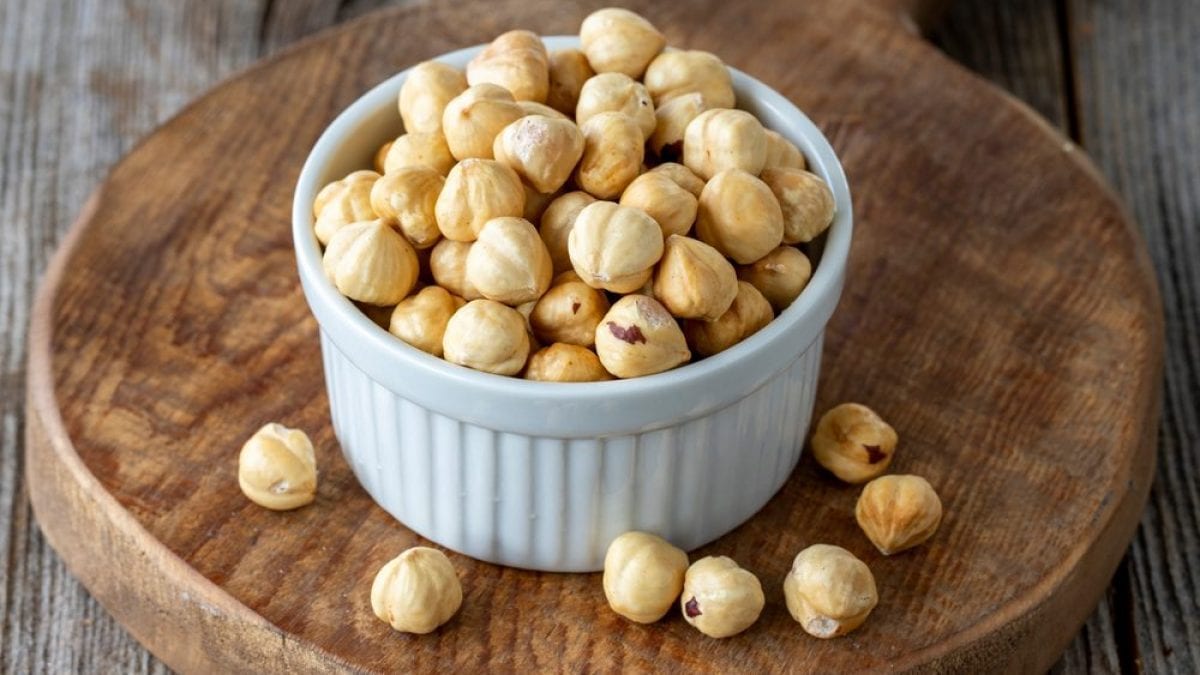
Hazelnuts are among the most beloved dried fruits. The small fruits of the Corylus avellana tree have been loved since the time of the ancient Greeks for their many qualities: hazelnuts are particularly energetic, delicious, and highly versatile. In fact, they are used practically everywhere in the kitchen, in both sweet and savory recipes, but they are also used in many other fields, such as cosmetics. Why? Don't be fooled by their small size; hazelnuts are a veritable powerhouse of properties and benefits for our bodies and, consequently, our well-being. Many different varieties of hazelnuts are produced, but perhaps not everyone is fully aware of their characteristics and properties: let's discover them together.
Hazelnuts' Properties
Just reading the nutritional profile of hazelnuts is enough to understand why these small fruits are considered so beneficial: low in water but moderately caloric (about 671 kcal per 100 grams of shelled product), hazelnuts are a veritable powerhouse of fiber and minerals, particularly calcium, magnesium, potassium, and phosphorus. They also boast a significant amount of vitamins, particularly vitamin E (100 grams of hazelnuts contain almost 85% of the daily requirement) and vitamin B6, essential for the maintenance of our nervous system. Folic acid (vitamin B9) and manganese are also important. The profile is completed by low carbohydrates, a reasonable amount of fat, digestive enzymes capable of synthesizing fatty acids, and oleic acid, a friend of "good" HDL cholesterol. How does all this translate into benefits for our body? Here's why regular consumption of hazelnuts is beneficial.

1. Natural Energy
Given their high calorie content, hazelnuts are an excellent source of natural energy. In fact, they're often used as a snack to stave off hunger because they're high in energy and satiating. Furthermore, because they're rich in minerals (especially magnesium), they're also very useful for combating tiredness, pain, and muscle cramps.
2. Help Maintain Muscle, Bone and Blood Health
Precisely because of their particular richness in various mineral salts, hazelnuts promote the good health of various parts of our body. For example, the high magnesium content, as mentioned, regulates calcium levels in the muscles, thus promoting their proper functioning and the possibility of their contracting without problems. The presence of potassium helps keep blood pressure under control, while calcium helps strengthen bones, teeth, and muscles. Hazelnuts are also rich in iron, which is why they are also very useful in cases of anemia.
3. Support for The Cardiovascular System
Hazelnuts are a concentrate of what are known as "good fats" and, thanks to the oleic acid they contain, can lower levels of "bad" LDL cholesterol and raise levels of "good" HDL cholesterol. Several scientific studies have shown how this, combined with the presence of substances called phytosterols, also contributes to overall cardiovascular health and the prevention of heart and circulatory diseases.

4. Support of The Intestinal System
Hazelnuts provide a good amount of fiber, which helps strengthen and support the proper functioning of the intestinal tract, ensuring digestive health and facilitating the elimination of many toxins and unnecessary substances from the body. They also contain manganese, which helps activate digestive enzymes, facilitates the synthesis of fatty acids, and promotes proper metabolism.
5. Antioxidant Effect
Hazelnuts, thanks to their high vitamin E content (about 86%), have an excellent antioxidant effect on our body and, as some studies have shown, protect it from the action of free radicals, also counteracting premature cellular aging. When consumed regularly, this vitamin helps prevent and limit the formation of wrinkles and loss of skin tone, contributing to smooth and radiant skin.
6. Source of Folic Acid
Hazelnuts are recommended for pregnant women because they are rich in vitamin B9, also known as folic acid, a crucial nutrient for proper fetal development. In fact, it's a nutrient that's beneficial for everyone, as it's essential for DNA and protein synthesis, as well as crucial for the formation of red blood cells. Our bodies don't produce B9 on their own, so it's essential to get it through diet (and hazelnuts are very useful for this) or, in some cases, even with supplements.

Do Hazelnuts Have Any Contraindications?
Hazelnuts don't have any particular contraindications, but there are a few things you should be aware of. First of all, they're quite high in calories, so excessive consumption can easily lead to weight gain: the recommended daily intake is about 20-30 grams. Also be wary of possible allergic reactions, as hazelnuts are a very common allergen, especially if you already suffer from allergies to other products like tree nuts or peanuts. Moderate your hazelnut consumption even if you suffer from gastrointestinal or digestive problems, as the high fiber content could increase symptoms.
;Resize,width=767;)
