The kitchen is the most used and lived-in space in the house: between pots, pans, and small appliances, it's easy for dirt, germs, and food residue to accumulate. But how often should these items be washed? And what methods are used? Today, we'll take a look at each of the tools we use every day, explaining when it's time to wash them and how to do it most effectively and safely.
Kitchens typically accumulate objects and utensils used more or less frequently: from pots and pans to knives, cutting boards, dishcloths, dishes, plates, bottles, and salad bowls. All these items require constant cleaning: sometimes daily, sometimes occasionally, but always regularly.
1. Knives, Forks, Spoons, Wooden Utensils

Any utensil that comes into contact with food should be washed immediately after use, without exception. Even if used just for a quick stir, it can still harbor bacteria and residue. Steel utensils can be washed in the dishwasher, but wooden ones require more care: wood is porous, so it absorbs moisture and odors, becoming a breeding ground for mold if not dried immediately. In short:
- When to wash: After each use.
- How to wash: Steel: Dishwasher safe or hand wash. Wood: Hand wash only, dry immediately.
2. Cutting Boards

Cutting boards are among the most underrated items when it comes to hygiene, but they should be washed immediately after each use, especially if used for raw meat or fish. They are made of different materials: plastic ones are dishwasher safe, but wooden ones should be hand-washed and thoroughly cleaned, perhaps with natural remedies like lemon or vinegar. In short:
- When to wash: Every time they are used.
- How to wash: Plastic: Dishwasher safe. Wood: Hand wash + periodic deep cleaning.
3. Graters, Peelers, Can Openers

These tools are often overlooked, but their crevices easily trap food debris, which can become a breeding ground for mold and bacteria. It's essential to clean them immediately after use, ideally with a toothbrush to reach even the most difficult corners. In short:
- When to wash: Immediately after use.
- How to wash: Carefully hand wash; dishwasher safe if compatible.
4. Pans and Pots

Nonstick pans must be treated with care to avoid damaging their coating: they should be washed immediately after use, preferably by hand. Abrasive sponges should be avoided; a soft sponge and a gentle detergent are better. Steel pots and pans are more durable and can even be washed in the dishwasher, but cast iron ones require gentle cleaning: hot water is sufficient, but they should never be left to soak. They should be dried immediately to prevent rust, and in some cases, greased with a drizzle of oil. In summary:
- When to wash: After each use.
- How to wash: Non-stick: hand wash with a non-abrasive sponge. Steel: dishwasher safe. Cast iron: hand wash only, dry and grease.
5. Baking Trays

Baking trays should be washed immediately, before the grease becomes encrusted; a helpful trick is to soak them in hot water and baking soda to soften any food residue. Alternatively, you can use degreasing products, but always be careful with the materials. In summary:
- When to wash: After each use.
- How to wash: soak + sponge or degreasing product.
6. Dishes and Containers: Plates, Glasses, Cups

Even if they seem "not very dirty," bowls and containers, as well as dishes, should always be washed after use to prevent residue from drying or attracting insects. They can be put in the dishwasher, but it's best to rinse them first if they contain greasy residue. In short:
- When to wash: Always after use.
- How to wash: by hand or in the dishwasher (depending on the material).
7. Sponges and Dishcloths

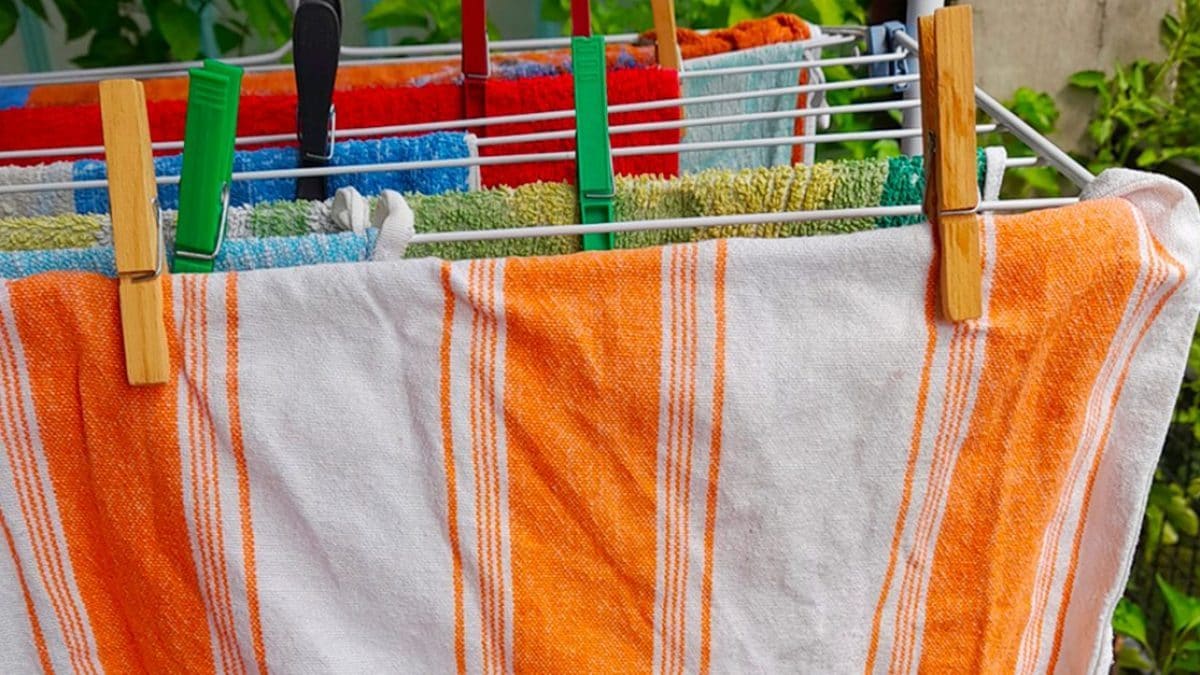
They're among the dirtiest items in the kitchen: this is where most of the bacteria in the environment lurk. Sponges, for example, should be sanitized daily and changed every 1-2 weeks. Dishcloths, on the other hand, should be washed every 1-2 days, especially if used to dry hands or utensils. In short:
- When to wash: Sponges: daily. Dishcloths: every 1-2 days.
- Washing instructions: Sponges: Microwave or boil. Dishcloths: Machine wash at least 140°F/60°C.
8. Tablecloth

Tablecloths are one of the items that most easily accumulate stains, food residue, and bacteria, especially when used daily. Even when they don't have obvious stains, they tend to absorb odors and dirt particles, which is why they should be changed and washed regularly. Cotton or linen tablecloths prefer medium-high temperature washes, while plastic-coated or stain-resistant ones can be cleaned simply with a damp sponge after meals, machine washing them less frequently. It's a good idea to dry the tablecloth completely before storing it to avoid mold or unpleasant odors.
- When to wash: Every 2-3 days if used daily; after each meal if heavily soiled; a quick clean after each use for plastic tablecloths.
- Washing instructions: Cotton/linen: machine wash at 105-140°F/40–60°C; stain-resistant/plastic-coated fabrics: hand wash with a damp cloth and occasionally machine wash.
9. Handles, Switches, Buttons

Constantly touched during food preparation, they get dirty easily: we're talking about buttons, switches, handles, and the like. We often forget about it, but they should be cleaned at least once a week with a microfiber cloth and a sanitizing product. In short:
- When to wash: Once a week.
- How to wash: cloth + disinfectant detergent.
10. Blenders, Food Processors, Mixers

After use, it's important to disassemble the parts of small appliances and wash them separately. Blades, in particular, should be cleaned immediately, as residue dries quickly. Containers should be thoroughly dried before storing. In short:
- When to wash: Immediately after use.
- How to wash: by hand, pieces disassembled, be careful with the blades.
11. Refrigerator

The refrigerator is one of those appliances we forget to clean: but it should be emptied and cleaned every 3-4 weeks. Using a solution of water and baking soda helps eliminate odors and bacteria: remember to dry each shelf thoroughly and check food expiration dates. In short:
- When to wash: Every 3-4 weeks.
- How to wash: with water and bicarbonate, soft cloth.
12. Oven

Cleaning your oven regularly prevents charred residue from contaminating your food. A clean oven is synonymous with a hygienic kitchen: encrusted food residue can become a breeding ground for bacteria and germs. A quick clean is recommended when you use it, followed by a deep clean at least once a month, preferably twice a month. It's helpful to use baking soda and water as a natural cleaner, or you can use a specific oven cleaner: usually, you let it sit for a few minutes and then rinse. In short:
- When to wash: Every 1-2 months.
- How to wash: baking soda paste or specific product.
13. Microwave

Even if you don't use it often, your microwave should be cleaned weekly. It's one of the most neglected appliances, as almost no one cleans it after use. In any case, you should clean your microwave at least once a week, especially if you don't clean it after use—for example, if you only use it for heating. The simplest method is to boil a bowl of water and lemon juice to dissolve residue, but there are also specific products available for this purpose. In short:
- When to wash: Every week.
- How to wash: water + lemon, then cloth; specific product.
14. Dishwasher

Dishwashers also require maintenance and cleaning, both routine and non-routine. Of course, if you find any dirty residue, it's a good idea to clean it as soon as you see it. However, running an empty cycle with vinegar or a specific detergent once a month helps keep it running efficiently and avoid unpleasant odors. Some dishwashers also have specific cleaning programs that you can set or start whenever you like. Remember to also check the filter and gaskets periodically. In summary:
- When to wash: every month.
- How to wash: empty cycle with vinegar or a dedicated product.
;Resize,width=767;)
