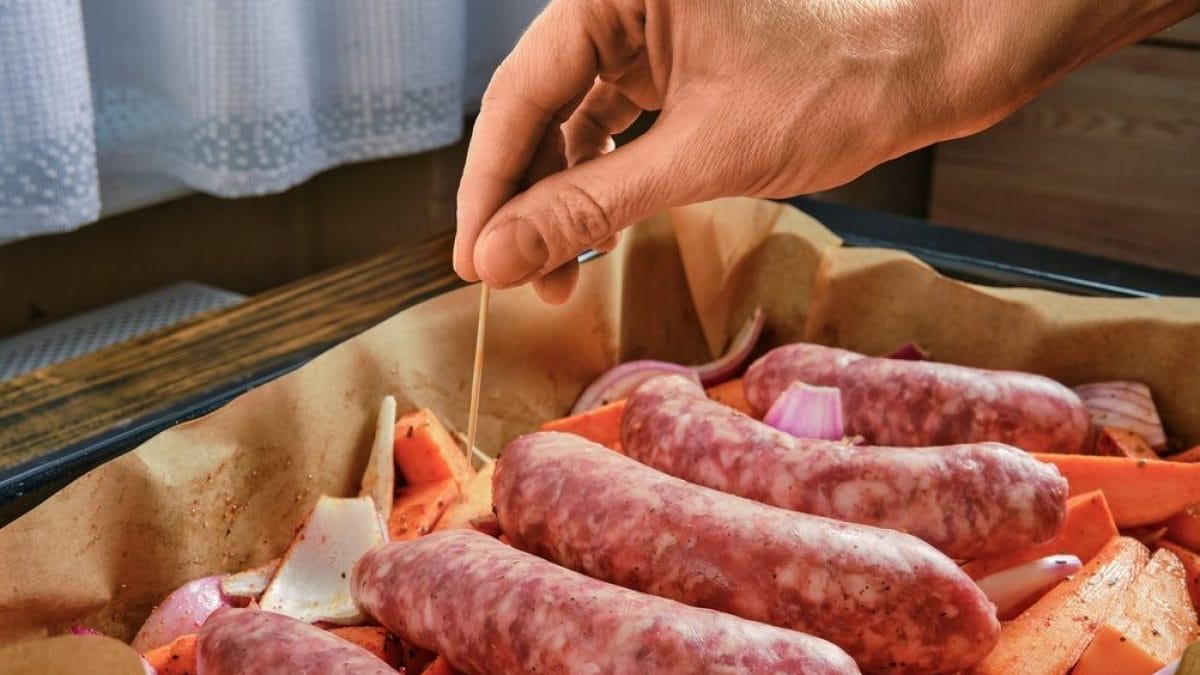
Affordable, convenient, and tasty: sausage is one of the most popular cured meats, easily found at grocery stores and butchers. It's traditionally a pork product made from lean and fatty parts (lard or pancetta) of the pig, minced into a medium-coarse grain and enriched with spices and herbs, such as fennel. Unlike salami, it doesn't require curing after being stuffed into the casing: sausage is a fresh cured meat, which spoils quickly and should be consumed within a couple of days after purchase. Fortunately, it's the star of countless recipes and is also excellent on its own, cooked in a pan, grilled, or on a griddle: these are the best cooking methods, the ones that maximize juiciness and crispiness, provided they're done properly. One of the most common mistakes is the belief that pricking the sausage casing with a fork makes it tastier. In fact, this is the very mistake that most ruins the product: pricking the sausages removes much of their juices and fat, making the meat dry and flavorless. We'll explain all the reasons why you should never prick sausages when cooking them and how to make them delicious instead.
Why Do We Even Prick Sausages?
Pricking sausages before cooking to make them tastier is one of those urban legends that has spread by word of mouth and, at a certain point, has been accepted as true by virtually everyone. Popular belief holds that pricking them prevents them from bursting during cooking, or that it allows the fat to drain out, making them lighter. Did you know, however, that this is one of the biggest mistakes you can make, risking compromising the texture and flavor of your sausages? Science itself explains why.

The sausage casing not only holds the meat, but also traps all the food's juices, which consist of water, fat, and aromatic elements—the very elements that make the meat tender and flavorful during cooking. Pricking the casing allows the fat and other liquids to escape, making the meat dry and less flavorful, and also increasing the risk of burning the surface. And if you read that the sausage should be pricked to prevent it from bursting, again, be wary of this advice: the internal pressure that develops is normal, and if cooking is gradual and at a moderate temperature, the casing will hold up without problems.
This Is Why You Should Never Prick a Sausage
When sausages are pricked during cooking, the internal balance that determines juiciness and flavor is directly altered. Heat causes proteins to denature and fats to melt, creating a mixture of juices (water, lipids, and aromatic compounds) that remain trapped by the casing and help keep the meat tender and flavorful. Pricking the surface allows these liquids to escape rapidly: the fat drips away, carrying with it flavor molecules, while the loss of water reduces the meat's ability to remain tender. The result is a drier, less flavorful sausage with a firmer, more stringy texture. Furthermore, fat dripping onto the heat source can cause flare-ups or localized overheating, increasing the risk of uneven cooking and a burnt exterior while maintaining a less uniform interior.

The idea of "degreasing" sausages by pricking them, therefore, stems from a simplified and completely incorrect view: it imagines that excess fat is simply an element to be eliminated, while it is precisely the fat, along with the juices, that contributes significantly to flavor, juiciness, and aroma. This error persists also because it is visually convincing: seeing the liquid drain out gives the impression of improving the final result, when in fact, essential components are being lost. While pricking the sausage may seem logical and prudent, it is actually a suggestion that ignores the physical and chemical processes that make cooked meat tastier and more tender.
How to Cook Sausages Properly Without Ruining Them
So what do you need to do to cook sausages properly, without piercing them but without ruining them? The secret to avoiding breakage and preserving their tenderness and flavor is the cooking temperature: it must be gradual and controlled if you want perfectly cooked sausages. Another common mistake is immediately exposing them to too high temperatures, without realizing that this is just as harmful as piercing them: excessive heat causes the proteins to rapidly contract and increases internal pressure, which can tear the casing. It's better to start with medium-low heat, allowing the heat to penetrate slowly and evenly.

In the pan, you can add a small amount of liquid at the beginning: this creates a more delicate environment that favors the initial cooking phase without stressing the casing. Avoid water, however, which could dilute the juices too much and slow the browning process; instead, deglaze with white wine, red wine, or beer. Alternatively, cook the sausages directly with an ingredient that keeps the meat moist, such as cabbage, broccoli rabe, or a mix of summer vegetables like tomatoes, eggplant, zucchini, and peppers, depending on the season. When grilling, it's important to avoid direct contact with open flames, placing the sausages in an area with indirect heat and turning them regularly. In any case, they should never be pricked: the casing must remain intact to retain juices and fats, which, as we explained, are essential for flavor.
Mistakes to Avoid for Juicy and Even Cooking
The two most common mistakes for ruining sausages, whether you're grilling, pan-frying, or grilling them, are pricking them and exposing them too quickly to high temperatures. These aren't the only mistakes to avoid for perfect cooking: it's crucial to remember to turn the sausages, which is essential for evenly distributing the heat, and to avoid pressing them with utensils, as this also causes the juices to leak out, just like piercing them.

For optimal results, it's recommended to use a two-stage cooking process: an initial stage at a moderate temperature, which allows the heat to gradually spread toward the center, promoting uniform protein coagulation and moisture retention, followed by a final browning stage. Also remember that for best results, it's best not to cook the sausage straight from the refrigerator, but to let it acclimatize to avoid thermal shock upon contact with the heat. It's best not to add oil or butter during cooking: sausage already has a high fat content, and adding additional fat can overwhelm the recipe, both gastronomically and calorically. The final trick is as simple as it is important for a perfect recipe: let the sausages rest briefly after cooking so that the internal juices have time to redistribute, further enhancing the perceived tenderness and irresistible flavor of this excellent product.
;Resize,width=767;)
