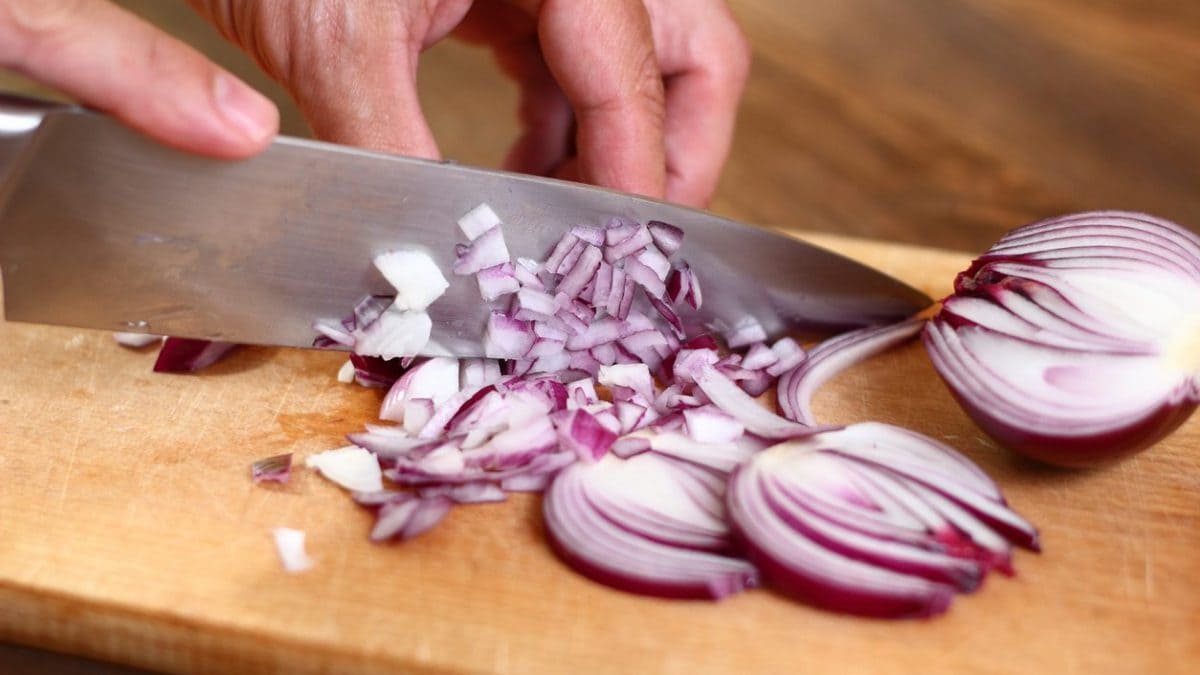
There is no vegetable in the culinary world quite as foundational, or as tedious to prepare, as the humble onion. It is the start of almost every great soup, sauce, and stir-fry. Because chopping them involves a guarantee of tears and stinging eyes, it is incredibly tempting to buy them in bulk, spend ten minutes dicing a mountain of them on Sunday afternoon, and store them in the fridge for the week ahead.
But clearing this hurdle early comes with a ticking clock. Unlike a whole, uncut onion wrapped in its protective, papery skin, a chopped onion has had its cell walls ruptured. The moment the blade passes through the flesh, it unleashes volatile sulfur compounds and exposes the interior to air and moisture. If you aren't careful, your time-saving hack can quickly turn into a slimy, sour mess that fills your entire refrigerator with a pungent odor. Here is exactly how long you have to use them, and how to maximize their shelf life.
The Official Timeline: 7 to 10 Days (With a Catch)
According to the USDA and the National Onion Association, raw chopped or sliced onions can safely keep in your refrigerator for 7 to 10 days, provided your fridge is set to a food-safe temperature of 40°F (4°C) or below. However, there is a massive difference between bacteriologically safe to eat and good to eat. While a diced onion might not make you sick on day nine, its quality degrades rapidly based on how small you cut it:
- Halved Onions (7 to 10 Days): Leaving half an onion intact with the root attached minimizes surface area. Store it cut-side down, and it will easily last the full ten days.
- Sliced Rings (5 to 7 Days): Slices have more exposed surface area, meaning they will begin to dry out at the edges and lose their sharp bite after about five days.
- Diced Onions (3 to 5 Days): When you finely dice an onion, you create dozens of tiny pieces with maximum air exposure. They release moisture quickly, meaning they will start to lose their crisp texture and turn unpleasantly pungent or mushy after 3 to 5 days.

Not All Onions Age Equally
The specific type of onion you throw into your storage container heavily dictates how fast it will deteriorate in the cold:
Yellow and Red Onions
Standard yellow and red onions are remarkably hardy. They contain higher amounts of pyruvic acid and sulfur, which act as natural preservatives. Their flavor holds up beautifully over a week, and red onions boast mild antimicrobial properties that help them resist turning soft.
White and Sweet Onions
White onions and sweet varieties (like Vidalias or Walla Wallas) have a significantly higher water content and lower sulfur levels. While this makes them delightfully mild and crisp when fresh, it also makes them highly perishable. A diced sweet onion will start weeping water and developing a slimy film within 3 to 4 days. Use these varieties quickly.
The Master Protocol for Odor-Free Storage
If you want to push your chopped onions to the absolute limit of their shelf life without turning your milk, butter, and leftovers into onion-scented tragedies, you need to abandon loose plastic wrap and follow two strict rules.
1. The Glass Container Mandate
Never store chopped onions in cheap, thin plastic sandwich bags or flexible plastic Tupperware. Plastic is inherently porous; it will allow the onion’s volatile gases to escape into the rest of your fridge, and the plastic container itself will permanently absorb the onion smell, rendering it useless for anything else. Always use a heavy-duty glass container with a locking silicone gasket lid. Glass forms an impenetrable barrier that locks the odor inside.

2. The Paper Towel Moisture Shield
Before you dump your freshly chopped onions into the glass container, fold up a clean paper towel and place it at the very bottom. As cut onions sit, they inevitably purge a small amount of liquid. If the bottom layer of onions sits in that puddle of stagnant onion juice, it will accelerate bacterial growth and cause immediate sliminess. The paper towel acts as a sponge, pulling moisture away from the vegetables and keeping the dice dry and crisp.
When to Toss It
Before tossing your pre-chopped stash into a hot pan, perform a quick three-point sensory check. If the onions feel slimy or slippery to the touch, if they have developed any noticeable brown or grey discoloration, or if the smell has transitioned from a sharp, clean onion bite to a sour, fermented aroma, the chemistry has gone wrong. Toss them immediately and start fresh.
;Resize,width=767;)
